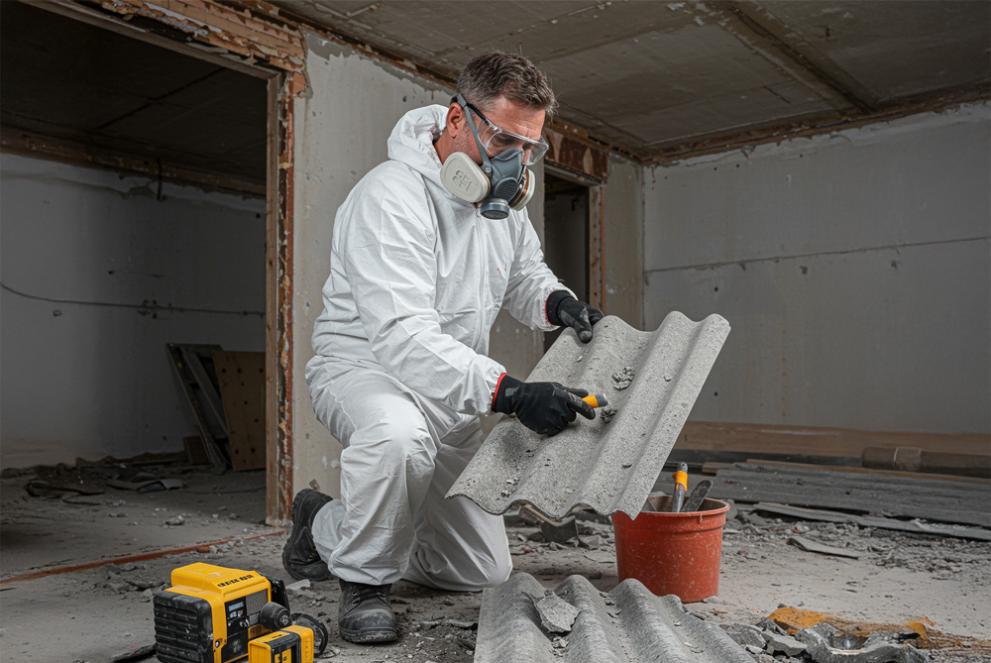
Asbestos is still one of the most serious environmental and occupational health risks emanating from older residential, commercial, and industrial buildings. In spite of having numerous restrictions on its use, asbestos-containing materials may still be found in insulation, roofing, flooring, ceiling tiles, and pipe coverings. The initial action in achieving an effective asbestos management plan is proper identification.
Facility managers and property owners should know that asbestos is not always visible to the naked eye, and so inspection by professionals and tests in labs are essential. Early identification helps ward off accidental exposure as well as establish a baseline towards a holistic removal plan. After renovation, demolition, or maintenance operations, asbestos can be disturbed without detection; hence, it is exposed to the air and poses deadly health hazards to both workers and their occupants.
The reasons why risk assessment would be wise in all decisions
A risk assessment is the next important step to do once asbestos-containing materials have been determined. Risk assessment assists in evaluating the probability of the fiber being released and the impact that it might have on the people and the surrounding environment. Instead of labeling any materials as contaminated by asbestos, a thorough investigation is carried out, including the conditions of the materials or location, accessibility, and activities intended in the planned construction works.
By so doing, this process enables the decision-makers to focus on those areas that need urgent action and handle the less risky materials in the right way. Knowing the particular risks of each asbestos-containing component, organizations will be able to allocate their resources better and design specialized mitigation efforts that will optimize safety and regulatory compliance.
Measuring Material Conditions and Exposure Potential
The state of materials consisting of asbestos has a great impact on the extent of the risks that they entail. Friable products that can be crushed by hand are of a much higher risk in comparison to non-friable materials that do not crumble. In the process of evaluation, there are a number of factors that are evaluated by the professionals:
- Physical deterioration and damage
- Nearness to busy areas.
- Frequency of human interaction
- Airflow conditions and ventilation.
Planned renovation or demolition actions
Such aspects are used to determine the potential of having asbestos fibers in the air. An example is a mechanical room that has had upgrades and has asbestos insulation that can benefit from being remedied immediately, or a limited area with intact asbestos cement panels that can pose little short-term harm. These differences are essential in coming up with an effective and cost-effective removal plan that would deal with real hazards and not imaginary hazards.
Preparation of Strategic Asbestos Removal Plan
An organized asbestos removal program incorporates the assessment results in all phases of project implementation. It is not merely to eliminate hazardous materials but in a way that will not cause much exposure or interruption to operations. Some of the things that should be planned are containment procedures, worker protection, waste management procedures, and emergency response plans. At this point, most property owners will find that you need an asbestos removal service that has the required skills, qualifications, and machinery to carry out the job safely.
Negative-pressure enclosures may be created by professional contractors, the right personal protective equipment may be used, and an industry-approved procedure of decontamination may be followed. The experience also makes sure that the removal activities are carried out in the requirements of the law while ensuring maximum safety in the process.
Conclusion: Safety Construction with Informed Decision-Making
When incorporating the method of risk assessment into an asbestos removal strategy, the process is turned into the form of a proactive and safe campaign rather than a reactive measure. The start of effective asbestos management is accurate identification and continues with thorough analysis of exposure risks and conditions of the materials. Such insights can help organizations rank hazards, resourcefully use resources, and harden the option to remove hazards in a manner that safeguards people and property.
A risk-based approach under the support of qualified professionals, regulations, compliance measures, and post-removal verification greatly reduces the chances of asbestos exposure and the related health effects. Finally, safe, efficient, and legally sound asbestos removal outcomes with the protection of the occupants, the workers, and future building users lie in informed decisions.