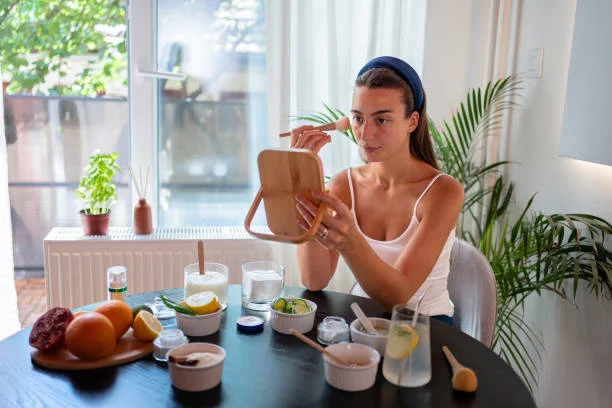
There’s something deeply satisfying about mixing up a face mask from ingredients you already have in your kitchen. Whether you’re looking to soothe dry patches, calm a breakout, or just give your skin a quick glow, learning how to make a face mask at home puts you in control of exactly what goes onto your skin. No cryptic ingredient lists, no preservatives you can’t pronounce—just real, recognizable foods transformed into a weekly self-care ritual.
But before you raid your pantry, it’s worth understanding what makes a homemade mask actually work. This guide walks you through the science behind kitchen ingredients, offers eight tailored recipes for every skin type, and compares DIY with professional treatments so you can decide what your skin really needs.
Key Takeaways
- DIY face masks provide surface-level hydration, gentle exfoliation, and calming effects using natural ingredients like honey, yogurt, oatmeal, and avocado.
- Homemade masks are cost-effective and free from synthetic preservatives, but they lack the molecular precision and long-term reparative power of clinical skincare.
- Always patch-test a small amount before full application; some natural ingredients (citrus, cinnamon, baking soda) can cause irritation.
- For deeper cellular repair, anti-aging, and barrier recovery, professional-grade masks with PDRN technology offer scientifically validated results that kitchen ingredients cannot match.
Why Make a Face Mask at Home?
The rise of kitchen beauty isn’t a fleeting trend—it’s a return to what skincare was before industrial chemistry took over. When you look into how to make a face mask homemade, you’re tapping into centuries-old wisdom about the healing properties of foods. What’s new is our scientific understanding of why these ingredients work.
A good DIY face mask brings three things to the table:
- Freshness: You’re using ingredients at their peak, without the oxidation that can occur in jarred products. Active enzymes in fresh fruit or yogurt are still potent when you apply the mask immediately.
- Control over ingredients: You avoid synthetic fragrances, parabens, and sulfates. If your skin reacts to a certain food, you simply leave it out.
- Cost-effectiveness: A single avocado and a spoonful of honey cost far less than a high-end tube of mask, making it a budget-friendly addition to your routine.
But the phrase “natural” isn’t synonymous with “safe for everyone.” Even kitchen staples can trigger reactions. The American Academy of Dermatology (AAD) advises caution with DIY treatments, recommending patch tests and avoidance of known allergens. Still, when done thoughtfully, a homemade facial mask can be a genuinely effective part of your weekly skin maintenance.
Must-Have Kitchen Ingredients for a DIY Face Mask
Learning how to make a face mask diy starts with understanding what each kitchen ingredient brings to the bowl. These pantry all-stars have properties that make them more than just food:
- Honey: A natural humectant, honey draws moisture from the air into your skin. It also has antibacterial activity, which makes it useful for acne-prone complexions. Look for raw, unpasteurized honey to preserve its beneficial enzymes.
- Yogurt: The lactic acid in plain yogurt is a gentle alpha hydroxy acid (AHA) that exfoliates dead surface cells without scrubbing. According to dermatologist Dr. Jason Rivers, lactic acid can act as an effective chemical exfoliant. Choose full-fat, plain yogurt with live active cultures for maximum skin benefits.
- Avocado: Packed with omega-3 fatty acids and vitamins E and C, avocado deeply nourishes the skin and helps restore the lipid barrier. Its natural oils mimic the skin’s own sebum, making it especially beneficial for dry or compromised skin.
- Oatmeal: Colloidal oatmeal has been a dermatologist-recommended remedy for centuries. The FDA approved colloidal oatmeal as a skin protectant in 2003. It contains avenanthramides—compounds with anti-inflammatory and anti-itch properties—and beta-glucan, which forms a moisture-holding film on the skin. Ground oats are your go-to for calming redness and irritation.
- Turmeric: This golden spice has well-documented anti-inflammatory and antioxidant effects. While it’s not a substitute for medical acne treatments, it can help calm inflamed breakouts and brighten the complexion when used occasionally.
- Aloe Vera: The gel from an aloe leaf provides immediate cooling, anti-inflammatory relief. It’s rich in polysaccharides that help hydrate and support wound healing, making it perfect for sensitive or sun-exposed skin.
Other staples like banana (to soften), egg white (to temporarily tighten), and green tea (for antioxidants) can also be incorporated, but the six above form the core of most effective DIY recipes.
How to Make a Facial Mask at Home for Every Skin Type
Not all homemade masks are created equal—what works for dry skin might aggravate an oily T-zone. Below are four recipes that show you exactly how to make facial masks at home tailored to your skin type. Each combines a few key ingredients for a specific purpose.
For Dry Skin — Avocado & Honey Hydrating Mask
Ingredients:
- ½ ripe avocado
- 1 tablespoon raw honey
- 1 teaspoon plain yogurt (optional, for extra gentle exfoliation)
Steps:
- In a small bowl, mash the avocado with a fork until completely smooth and lump-free.
- Stir in the honey and yogurt, mixing well to form a creamy paste.
- Apply an even layer to clean, dry skin using your fingertips or a brush. Avoid the eye area.
- Relax for 15 minutes, then rinse with lukewarm water and pat dry.
- Follow with a moisturizer to lock in hydration.
Why it works: Avocado delivers fatty acids and vitamins that mimic the skin’s natural oils, while honey pulls in moisture and yogurt provides the gentlest chemical exfoliation. The result is skin that feels plump, supple, and restored.
For Oily/Acne-Prone Skin — Yogurt & Oatmeal Clarifying Mask
Ingredients:
- 2 tablespoons plain yogurt (full-fat, unflavored)
- 1 tablespoon finely ground oatmeal (use a blender or coffee grinder)
- ½ teaspoon raw honey
Steps:
- Mix the yogurt and honey first, then add the oatmeal. Stir until a thick paste forms.
- Apply evenly over the face, focusing on oilier areas like the T-zone.
- Leave on for 10 minutes—don’t let it dry completely, as that can irritate the skin.
- Rinse gently, massaging in circular motions to take advantage of the oatmeal’s mild physical exfoliation.
Why it works: Lactic acid in yogurt helps dissolve pore-clogging debris, while ground oatmeal absorbs excess oil without stripping the skin. Honey adds an antibacterial element, and the combination calms active breakouts without the harshness of clay-based masks.
For Dull Skin — Turmeric & Yogurt Brightening Mask
Ingredients:
- 1 tablespoon plain yogurt
- ½ teaspoon turmeric powder
- 1 teaspoon honey
Steps:
- Combine all ingredients in a small bowl until you have a uniform golden mixture. Be careful: turmeric stains fabric and temporarily tints the skin.
- Apply a thin layer to the face, avoiding eyebrows and hairline. Leave on for 10–15 minutes.
- Rinse thoroughly with lukewarm water. If any yellow tint remains, a second gentle cleanse with your regular face wash will remove it.
Why it works: Turmeric’s active compound curcumin helps reduce inflammation and may lighten hyperpigmentation over time. Yogurt exfoliates to reveal fresher skin, and honey provides a moisture boost. The combination creates a visible, immediate glow.
For Sensitive Skin — Oatmeal & Aloe Soothing Mask
Ingredients:
- 2 tablespoons finely ground oatmeal
- 1 tablespoon fresh aloe vera gel (or pure bottled gel without added alcohol)
- 1 teaspoon chamomile tea, cooled
Steps:
- Mix the oatmeal and aloe gel until a soft paste forms. Add enough chamomile tea to reach a spreadable consistency.
- Apply gently to clean skin—do not rub or massage.
- Leave on for 15–20 minutes. The mask should not dry or crack; if it begins to, spritz with a little water.
- Rinse with cool water and pat dry.
Why it works: Colloidal oatmeal creates a protective barrier that retains moisture and shields irritated nerve endings, as noted in clinical research on atopic dermatitis. Aloe adds cooling anti-inflammatory polysaccharides, and chamomile calms redness. This mask is ideal when your skin is reactive, windburned, or post-treatment.
Key Application Tips for All Recipes:
- Always perform a patch test behind your ear or on the inner wrist at least 24 hours before trying a new ingredient.
- Apply masks to freshly cleansed skin for maximum absorption.
- Limit leave-on time to 10–15 minutes; leaving a mask on too long can cause irritation or dryness.
- Rinse with lukewarm water, never hot, and finish with a gentle moisturizer.
- Use DIY masks no more than 1–2 times per week to avoid over-exfoliation.
DIY Face Masks vs. Store-Bought: What Actually Delivers Results?
It’s important to be honest about what a kitchen-sourced mask can and cannot do. DIY masks excel at surface-level benefits: they hydrate, soothe, and lightly exfoliate. You’ll walk away with softer, brighter-looking skin after a single use because you’ve physically removed dead cell buildup and added a film of humectants and emollients.
But here’s the reality:
- Molecular size matters. Nutrients in whole foods are often too large to penetrate the epidermis. For example, the vitamin C in a mashed strawberry is not formulated to cross the skin barrier, so you’re mostly getting surface brightening—not deep cellular repair.
- Stability is an issue. Without preservatives, a homemade mixture degrades within hours. Beneficial enzymes start breaking down the moment you cut into that avocado. Store-bought masks are formulated for stability and precise concentration of actives.
- Deep repair requires targeted technology. Stimulating collagen production, fading stubborn dark spots, or truly reversing photoaging needs ingredients that influence the skin at a cellular level. Peptides, retinoids, and biomimetic DNA fragments cannot be replicated in a blender.
That doesn’t mean you should abandon DIY completely—it’s an excellent, affordable way to maintain general skin health. But if you’re looking for transformation, not just maintenance, it’s time to pair your kitchen alchemy with science-backed professional products.
Beyond DIY: When Your Skin Needs Professional-Grade Repair
Think about the difference between a home-cooked meal and a therapeutic diet prescribed by a nutritionist. Both nourish you, but only one is engineered to solve a specific health condition. The same holds for professional skincare.
PDRN (Polydeoxyribonucleotide), a DNA-derived biopolymer extracted from wild salmon, is one of the most promising developments in cosmetic dermatology. Clinical research published in Applied Sciences (2025) and the Journal of Skin and Stem Cell confirms that PDRN activates adenosine A2A receptors to stimulate cell proliferation, promote collagen synthesis, and accelerate tissue regeneration. It also significantly upregulates vascular endothelial growth factor (VEGF) to support skin repair at the deepest layers.
Unlike topical nutrients you might find in a DIY mask, PDRN fragments are remarkably bioavailable—Pier Augé’s high-purity PDRN shares 98% similarity with human DNA. This allows the skin to recognize and use these long-chain DNA fragments as signaling molecules, essentially triggering its own natural repair mechanisms.
Pier Augé Douce Aura Overnight Mask: Clinical Results You Can’t Get from a Kitchen
Pier Augé, a French pharmacy-founded Maison with over 60 years of heritage, has harnessed pharmaceutical-grade PDRN in its PDRN mask technology. Their iconic PDRN overnight hydrating mask delivers results that kitchen ingredients simply cannot match.
In a clinical study of 33 women over 14 days:
- Instant radiance boost: +52.69% after just 15 minutes
- Deep hydration surge: +45.86% moisture increase in the same quarter-hour
- Measurable wrinkle reduction: -20.69% decrease in fine lines and creases after two weeks
- Plumping effect: +14.82% increase in skin volume and bounce
These aren’t surface-level cosmetic fogs. The PDRN-powered formula works overnight by mimicking the skin’s natural DNA codes. It melts from a creamy white texture into a transparent veil—absorbing within 15 minutes without leaving residue on your pillow. Many users find they can skip their usual night cream because the mask provides lasting barrier support and deep regeneration.
Integrating Both Approaches: A Balanced Skincare Strategy
You don’t have to choose between DIY and professional treatment. A well-rounded routine uses each for its strengths:
- Weekly maintenance with kitchen masks: Use a hydrating avocado mask on Sundays to replenish moisture after a long week. Or treat an angry T-zone with a calming oatmeal mix after a heavy makeup day.
- Targeted repair with PDRN: Apply the Douce Aura Overnight Mask 2–3 times per week to repair cumulative damage, reverse early signs of aging, and strengthen the skin barrier. In clinical testing, 92% of users reported more hydrated skin after a single use.
- Complementary professional products: Pair with Gentle Lotion Active Tonic with PDRN for a daily prep that boosts radiance by +52.69% and hydration by +45.86%. And for deeper anti-aging, the Firming Tri-Active Cream combines PDRN with acetyl hexapeptide-8 (Argireline) to visibly lift and redefine contours.
The truth is that homemade masks are wonderful sensory rituals that support your skin on the surface. But when you need cellular regeneration—to fade stubborn lines, repair a compromised barrier, or restore lost volume—you need ingredients that can genuinely communicate with your skin’s biology. That’s where a PDRN mask steps in, translating the language of your skin’s DNA into measurable results.
FAQs
1. How can I make a face mask at home with only 2 ingredients?
You can mix one tablespoon of plain yogurt with one teaspoon of honey for a simple, two-ingredient hydrating and exfoliating mask. Or mash half an avocado with a tablespoon of honey for a richer dry-skin treatment. Both offer quick, effective results without a long shopping list.
2. How often should I use a homemade face mask?
For most skin types, 1–2 times per week is ideal. Overuse can strip the skin barrier or cause irritation, especially with exfoliating masks that contain yogurt or honey. Sensitive skin may fare best at once a week or even biweekly.
3. Are DIY face masks safe for sensitive skin?
They can be, provided you choose gentle ingredients and always patch-test first. Oatmeal, aloe vera, and plain yogurt without citrus or spices are generally well tolerated by sensitive skin. Avoid cinnamon, lemon juice, and baking soda, which can cause stinging and redness.
4. Can I store leftover homemade face mask mixture?
It’s not recommended. Without preservatives, fresh mixtures breed bacteria quickly and lose enzymatic potency. Only make what you need for one application. If you must store, refrigerate for no more than 24 hours, but freshness is key to efficacy.
5. Do homemade face masks really work compared to professional ones?
Homemade masks provide short-term surface benefits like hydration, gentle exfoliation, and soothing. They cannot deliver deep cellular repair or long-term anti-aging effects because the active molecules are too large to penetrate the skin to the necessary depth. Professional treatments containing PDRN, peptides, and stabilized antioxidants work at a molecular level to actually change skin behavior over time.
6. What is PDRN and why is it in professional masks?
PDRN (Polydeoxyribonucleotide) is a DNA-derived biopolymer that shares 98% similarity with human DNA. It stimulates collagen synthesis, accelerates cellular repair, and improves skin elasticity by activating adenosine A2A receptors. Research in top dermatology journals confirms its effectiveness for wrinkles, dryness, and barrier dysfunction. Because it works at a cellular level, it provides regenerative results that surface-level DIY ingredients cannot replicate. You can read more about the science behind Pier Augé’s PDRN mask technology.