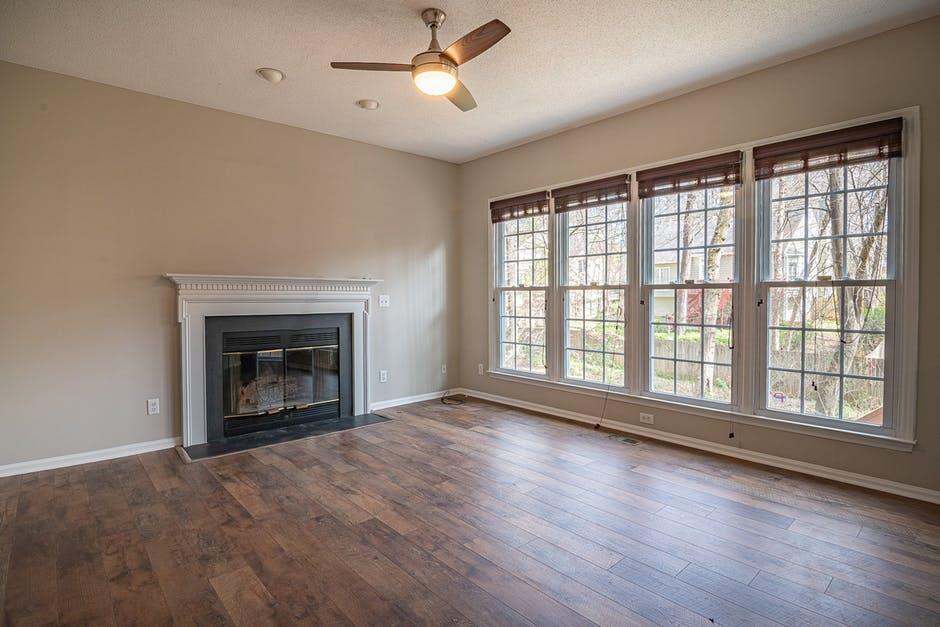
When buyers look at a property, first impressions matter. An empty room may seem clean, but it can also feel cold and uninviting.
Many buyers find it hard to imagine how they would use the space. As a result, they may lose interest and move on to another property.
The good news is that empty spaces can be transformed into attractive areas that help buyers see the property’s full potential. With the right design and presentation, a vacant space can become a powerful selling tool. Read on.
Why Empty Spaces Are Hard to Sell
An empty room does not tell a story. Buyers walk in and see four walls, a floor, and a ceiling. They have to imagine where furniture will go and how the room will look when it is lived in.
Not everyone has a strong imagination when it comes to interior design. Some buyers may think the room is too small, too plain, or difficult to use. Because of this, an empty property can feel less appealing than one that is properly presented.
The Benefits of Staging
One of the best ways to transform an empty space is through staging. Staging means adding furniture, decorations, and accessories to make a property look more inviting.
A staged living room helps buyers picture themselves relaxing after work. A staged dining area shows how family meals and gatherings can take place. Even a small bedroom can feel warm and comfortable when it is properly furnished.
Staging helps buyers connect emotionally with the property. When people can picture themselves living there, they are more likely to make an offer. Make sure to consult experts on Vacant Home Staging to get the most out of your home.
Use Simple Colors
Color has a big impact on how a room feels. Bright and neutral colors can make a space look larger and cleaner.
Fresh paint is one of the easiest and most affordable ways to improve an empty room. Colors such as white, beige, light gray, and soft cream appeal to many buyers because they create a fresh and modern look. Neutral colors also allow buyers to imagine adding their own style and decorations in the future.
Let There Be More Light
A bright room always feels more welcoming than a dark one. Natural light can make a space feel larger, warmer, and more attractive.
Open the curtains and blinds to let sunlight in. Clean windows can also help increase the amount of light entering the room.
If natural light is limited, add lamps or modern light fixtures. Good lighting can completely change the mood of a space and make it feel more inviting.
Show the Purpose of Each Room
Sometimes buyers are unsure how to use an empty room. Furniture can help solve this problem.
For example, a spare room can be staged as a home office, guest room, or study area. A large open space can be divided into living and dining areas with simple furniture arrangements. When buyers can clearly see the purpose of a room, they are more likely to appreciate its value.
Consider Virtual Staging
Not every property owner wants to spend money on physical furniture. In these cases, virtual staging can be a great option.
Virtual staging uses computer software to add furniture and decorations to photos of empty rooms. This allows buyers viewing online listings to see how the property could look when furnished. Since many buyers start their search online, attractive photos can help generate more interest and inquiries.
Don’t Forget Outdoor Areas
The outside of a property is just as important as the inside. Buyers often form their first impression before they even enter the building.
Simple improvements such as mowing the lawn, planting flowers, adding outdoor seating, or cleaning pathways can make a big difference. A well-maintained outdoor area shows buyers that the property has been cared for and provides extra space for relaxation and entertainment.
Create a Warm Feeling
People often buy homes based on emotion as much as logic. They want a place that feels comfortable and welcoming.
Adding plants, artwork, cushions, rugs, and other simple decorations can help create a warm atmosphere. These small touches make a space feel alive without being too personal. The goal is to help buyers imagine themselves living or working in the property.
Highlight the Best Features
Every property has something special. It could be large windows, high ceilings, beautiful flooring, or a spacious layout.
Arrange furniture and decorations in a way that draws attention to these features. For example, placing seating near a large window can highlight a beautiful view. When buyers notice a property’s strengths, they are more likely to remember it and see its value.
Keep the Space Clean and Organized
Cleanliness is one of the easiest ways to make a property more attractive. Dust, dirt, stains, and clutter can quickly turn buyers away. Even an empty space should look spotless and well-maintained.
A clean property gives buyers confidence that the home or building has been properly cared for. Pay attention to floors, walls, windows, and corners. Small details can make a big difference in how buyers view the property.
Use Professional Photos
Most buyers begin their search online, which means photos are often their first impression of a property. High-quality photos can attract more attention and encourage buyers to schedule a viewing.
Take photos during the day when there is plenty of natural light. Capture the best features of each room and use angles that make spaces look open and inviting. Professional photos can help a property stand out from competing listings and generate more interest.
Get Your Property Sold Quickly
Empty spaces have a lot of potential, but buyers do not always see it right away. By staging rooms, improving lighting, using neutral colors, and adding thoughtful decorations, sellers can make a property more attractive and memorable.
The goal is simple: help buyers imagine their future in the space. When that happens, they are more likely to fall in love with the property and make an offer.
Transforming an empty space does not always require a large budget. Even small improvements can make a big difference and help a property stand out in a competitive market.
If you want to read more articles, visit our blog.