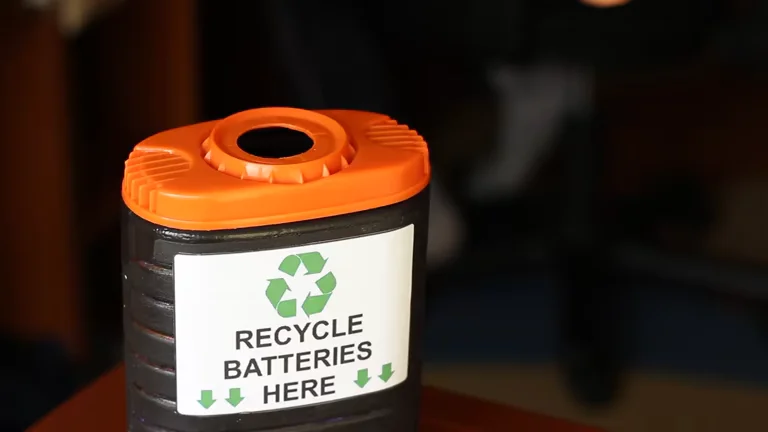
Batteries power everything from phones and laptops to vehicles, power tools, medical equipment, backup systems, and industrial devices. As more businesses and consumers rely on battery-powered technology, the amount of used battery waste continues to grow.
While batteries may seem small, they should never be treated like ordinary trash. Many batteries contain metals, chemicals, and stored energy that can create safety and environmental concerns when they are thrown away, damaged, or handled incorrectly. Proper battery recycling helps reduce those risks while allowing valuable materials to be recovered and reused.
Batteries Can Create Safety Risks When Improperly Disposed
One of the biggest reasons batteries should be properly recycled is safety. Certain batteries, especially lithium-ion batteries, can become dangerous if they are crushed, punctured, overheated, or short-circuited.
When batteries are tossed into trash bins, compactors, dumpsters, or mixed recycling containers, they may come into contact with metal, pressure, or other materials that can trigger a reaction. This can lead to smoking, overheating, fires, or other hazardous situations.
Businesses that handle large quantities of batteries should be especially careful. Old batteries stored in maintenance rooms, warehouses, IT closets, or loading docks can become a risk if they are not organized, labeled, and recycled through the proper channels.
Batteries Contain Materials That Should Not Go to Waste
Many batteries contain valuable materials that can be recovered during the recycling process. Depending on the battery type, these materials may include lead, nickel, cadmium, lithium, cobalt, steel, copper, aluminum, and plastic.
When batteries are properly recycled, these materials can be separated and processed for reuse instead of being lost in landfills. This supports more responsible resource management and helps reduce the need to rely entirely on newly mined raw materials.
Lead-acid batteries, for example, are widely recycled because the lead and plastic components can often be recovered and reused. Lithium-ion batteries can also contain valuable metals, but they require careful sorting and handling due to their energy density and chemistry.
Proper Battery Recycling Helps Protect the Environment
Improper battery disposal can create environmental concerns. If batteries are damaged, exposed to weather, or dumped in the wrong place, chemicals and metals may leak into the surrounding area.
This is especially important for batteries that contain heavy metals or corrosive materials. Even small batteries can become a problem when large volumes are handled carelessly over time.
Proper recycling helps keep batteries out of general waste streams and reduces the chance of harmful materials entering soil, water, or stormwater systems. For businesses, it is also a practical way to support sustainability goals and demonstrate responsible waste management.
Businesses Have a Responsibility to Manage Battery Waste
Companies that generate used batteries should have a clear battery recycling process in place. This includes identifying battery types, separating damaged batteries, taping exposed terminals when needed, using proper storage containers, and scheduling pickup or recycling service before batteries pile up.
A proper recycling plan helps reduce clutter, improve safety, and make battery disposal easier for employees.
Battery Recycling Supports Safer, Cleaner Operations
Battery recycling is not just an environmental decision. It is also an operational safety decision. When batteries are handled correctly, businesses reduce fire risks, avoid improper storage, and keep hazardous materials out of the wrong disposal streams.
For organizations with ongoing battery waste, working with a dependable battery recycling provider can simplify the process. Instead of guessing how to manage different battery types, businesses can rely on a recycling partner that understands sorting, handling, pickup, and responsible processing.
Final Thoughts
Batteries should be properly recycled because they contain stored energy, valuable materials, and components that can create safety and environmental risks when handled incorrectly. Whether your organization manages lithium-ion batteries, lead-acid batteries, Ni-Cd batteries, NiMH batteries, alkaline batteries, or mixed battery waste, proper recycling is the responsible choice.
By setting up a clear battery recycling program, businesses can protect employees, reduce environmental impact, recover useful materials, and maintain a cleaner, safer workplace.