Have you noticed how every big storm now seems to come with drone footage, viral TikToks, and a neighborhood insurance panic? Homeowners are learning a hard lesson that used to belong mostly to coastal towns: exterior upgrades are no longer about curb appeal alone. They are about survival, savings, and keeping your property from turning into the next cautionary photo on the evening news. Smart improvements can protect a home for decades while also boosting value in a market where buyers increasingly ask one question first: “How much work will this place need?”
Strong Roofs Matter More Than Fancy Kitchens
A flashy kitchen may impress guests, but a durable roof keeps rainwater from quietly destroying everything beneath it. Climate shifts have made storms stronger across much of the United States, and insurance companies have noticed. Some insurers now charge higher premiums or deny coverage for aging roofs because they know repairs often cost far more than prevention.
Many homeowners wait until leaks appear before acting, which is a bit like ignoring chest pain until the ambulance arrives. Asphalt shingles with impact resistance ratings, metal roofing, and proper attic ventilation can extend a roof’s life by decades. A strong roof also reduces heat buildup during summer, lowering energy bills without requiring complicated technology.
Better Roofing Starts With Better Planning
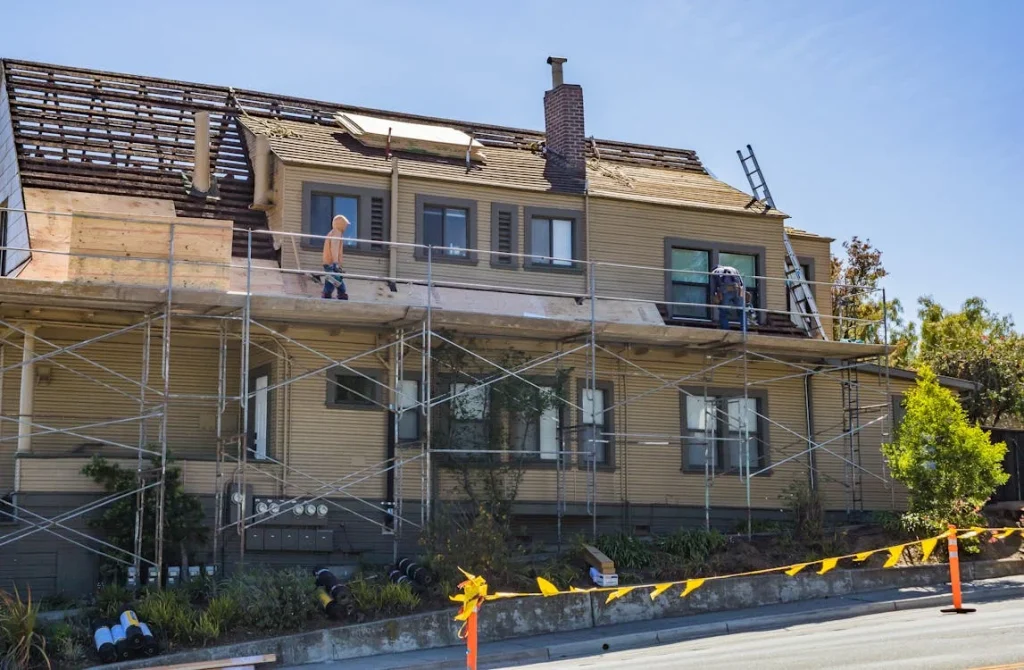
People often panic-shop after a storm because contractors become scarce and prices climb fast. Instead of waiting for water stains to spread across the ceiling, homeowners should compare materials, warranties, and local weather risks early. Many families now look up roof installation near me after severe weather alerts, which says a lot about how reactive the process has become.
A good contractor should inspect flashing, drainage, decking, and ventilation rather than simply replacing shingles. Cutting corners on underlayment or waterproof barriers may save money today, but create expensive structural rot later. The best roofing upgrades are the ones nobody notices because they quietly prevent problems year after year.
Siding Does More Than Improve Appearance
Modern siding acts like armor for a home, especially in areas dealing with stronger heat waves, heavy rain, and wildfire concerns. Fiber cement siding has gained popularity because it resists insects, moisture, and fire better than traditional wood. Vinyl siding has also improved dramatically, though cheaper products can crack during temperature swings.
This shift reflects a larger trend in American housing. People increasingly want homes that require less maintenance because nobody enjoys spending weekends scraping paint while inflation eats into every household budget. Durable siding reduces repair costs, improves insulation, and keeps moisture from creeping into wall cavities where mold spreads quietly and expensively.
Windows Are Becoming Climate Shields
Older windows leak air so badly that heating and cooling systems work overtime just to maintain comfort. That inefficiency becomes painfully obvious during extreme weather, which now arrives with uncomfortable regularity. Energy-efficient windows help regulate indoor temperatures while protecting interiors from water intrusion and UV damage.
Double-pane and impact-resistant windows are especially useful in storm-prone regions. They also reduce outside noise, which feels increasingly valuable in crowded suburban areas filled with leaf blowers, delivery vans, and construction crews working before sunrise. Some homeowners hesitate because window replacement feels expensive, but lower energy costs and improved resale value often offset much of the investment over time.
Drainage Problems Quietly Destroy Foundations
Few exterior issues create more hidden damage than poor drainage. Water pooling near a foundation can crack concrete, weaken soil stability, and invite mold into basements or crawl spaces. The frustrating part is that many drainage fixes are relatively simple compared to repairing structural damage later.
Gutters should direct water several feet away from the house, and downspouts should never empty directly beside the foundation. French drains, grading improvements, and permeable landscaping can also help manage runoff during intense storms. Cities across the country are struggling with aging stormwater systems, so homeowners increasingly need to think like engineers when protecting their property.
Decks and Outdoor Spaces Need Structural Attention
Outdoor living spaces exploded in popularity during the pandemic because people suddenly realized patios and decks could function as dining rooms, offices, and sanity-saving retreats. Unfortunately, many older decks were never built to handle years of heavy use and harsh weather exposure.
Loose railings, rotting support posts, and rusted fasteners create serious safety risks. Pressure-treated lumber, composite decking, and corrosion-resistant hardware offer better long-term performance. Composite materials cost more upfront, but they eliminate constant staining and sealing. That trade-off appeals to busy homeowners who already spend enough time dealing with software updates, subscription renewals, and every other form of modern maintenance.
Landscaping Can Defend a Property
Landscaping is often treated as decoration, yet it plays a major role in property protection. Trees planted too close to a home can damage foundations and roofs during storms, while poorly chosen plants trap moisture against siding. Smart landscaping creates distance between water, debris, and vulnerable structures.
Native plants usually perform better because they are adapted to local weather patterns and require less irrigation. Gravel beds and stone borders can also reduce fire risks in dry regions. The growing interest in climate-resilient landscaping reflects a broader shift in how Americans think about property ownership. People are starting to realize that sustainable choices are not just trendy talking points for social media. They often save real money.
Exterior Lighting and Security Have Become Essential
Home security used to mean a porch light and maybe a loud dog. Today, exterior upgrades increasingly include motion-sensor lighting, smart cameras, reinforced doors, and flood-resistant electrical systems. Package theft, rising repair costs, and severe weather events have pushed homeowners to think more seriously about prevention.
Strategic lighting also improves safety by reducing fall hazards around walkways and stairs. LED systems last longer and consume less electricity than older fixtures, making them practical for long-term use. Some insurance companies even offer discounts for monitored security systems, which turn safety improvements into financial advantages rather than just extra expenses.
Protecting a home used to feel optional in many parts of the country because major weather disasters seemed distant or rare. That illusion has faded. Exterior upgrades now serve as a form of financial defense in a world where rebuilding costs rise faster than most salaries. The smartest homeowners are not necessarily the ones spending the most money. They are the ones making careful, durable choices before problems force their hand. Ironically, the best exterior improvements are often the least glamorous because true protection rarely goes viral until something goes terribly wrong.
Take it a step further. Read the sequel here at 2A Magazine.