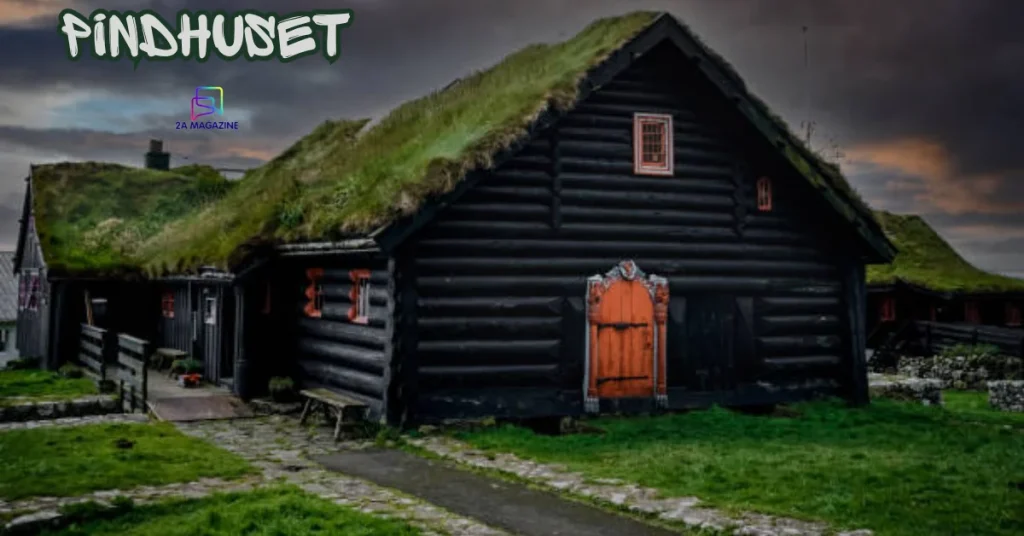
Picture a small wooden building at the edge of a quiet Danish village. Thatched roof. Sunlight coming through low windows. A fire crackling inside. People sitting together — not scrolling their phones, just talking. That place has a name. It’s called pindhuset, and it’s more than a building. It’s a feeling, a philosophy, and one of Scandinavia’s most underappreciated cultural concepts.
In 2026, as millions of people globally chase minimalism, slow living, and genuine human connection, pindhuset is quietly having its moment.
What Exactly Is a Pindhuset?
At its simplest, pindhuset is a shared community house — a place where people from the same village or area come together. It’s not owned by one person but by the whole community.
Think of it as the original third place — not home, not work, but somewhere in between. Somewhere that belongs to everyone.
The word itself breaks down neatly in Danish. “Hus” translates directly to house, while “pind” relates to wood, a stick, or a simple structure. Together, they suggest a modest wooden building — but Nordic words tend to carry far more emotional weight than their literal translation implies.
So while you could technically describe it as a small hut, that’d be like calling the Eiffel Tower “a metal pole.” Technically correct. Completely missing the point.
A History Rooted in Survival and Community
The story of pindhuset goes back many years, to a time when people lived simple lives and depended on each other to survive. Farming was the main way of life, and teamwork was essential. People needed a place to meet, plan harvests, share tools, and support each other through difficult times. Slowly, they created shared spaces — and that’s how pindhuset was born.
Over generations, these simple buildings took on a much bigger role.
In the past, pindhuset played a major part in daily life. It was where important decisions were made — where villagers gathered to discuss problems, make plans, and shape the future. It was also a place for celebration. Weddings, festivals, and seasonal events were often held inside.
And during hard times? People would gather to support each other, share news, and find solutions together. It wasn’t just a building — it was the heart of the village.
That last line isn’t poetic exaggeration. It’s just accurate.
How Does Pindhuset Look and Feel?
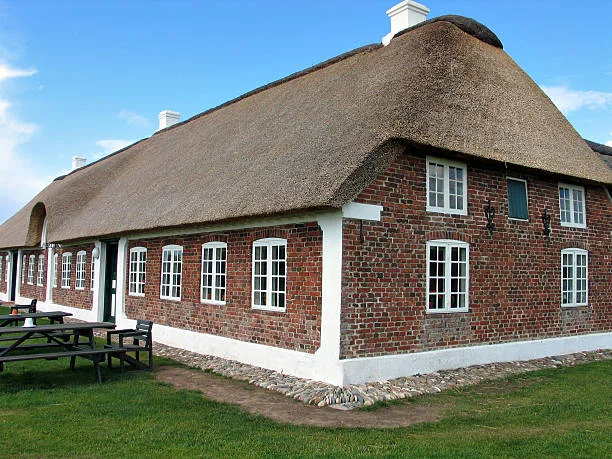
The pindhuset is a delightful example of distinctive Danish building style. A thatched roof — both aesthetically pleasing and functionally smart — is a common feature. Brick or timber walls give off a warm, lived-in character, while several windows let natural light flood the interior.
Inside, the design stays firmly practical.
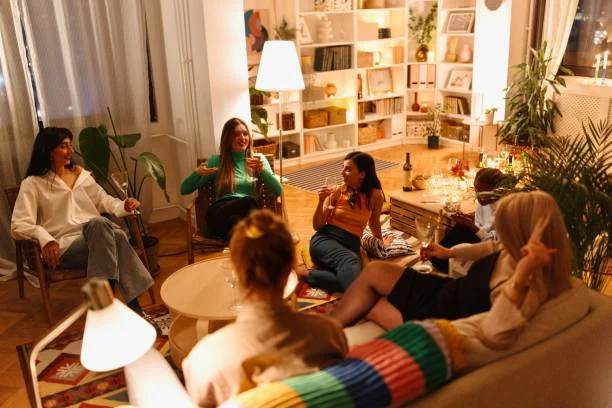
There’s usually a large open space that allows the building to serve different events. Tables and benches can be rearranged as needed. Natural light is key — windows are placed to make the space feel warm and inviting rather than cold and institutional.
Here’s a good analogy: if hygge is the feeling of cosiness, pindhuset is the room where that feeling lives. One is emotional, the other is physical — but they’re inseparable.
Pindhuset is, in fact, closely linked to the Danish concept of hygge, which emphasises comfort, warmth, and emotional well-being. While hygge describes the feeling, pindhuset can be seen as the physical environment that makes that feeling possible.
That connection is exactly why global audiences — especially those deep in the Scandinavian lifestyle rabbit hole — keep landing on this word.
Pindhuset in Modern Denmark: Still Standing Strong
You might assume a concept this old would fade with urbanisation. But that’s not what’s happened.
Many villages across Denmark still use pindhuset regularly. Some are old buildings with real history behind them. Others have been updated but continue to serve their original community purpose.
In some cases, forgotten structures like pindhusets have been transformed through thoughtful restoration — blending old-world character with modern design. The result is a harmonious marriage of past and present, where once-neglected spaces are brought back to life as cultural hubs.
Beyond Denmark, the concept is resonating internationally. Interior designers cite it as inspiration for communal living spaces. Architects reference it in discussions about adaptive reuse. And wellness writers are connecting it to the broader movement around intentional, community-driven lifestyles.
Here’s a short look at why pindhuset is drawing fresh attention in 2026:
- Remote work loneliness has pushed people to seek genuine shared spaces
- The minimalism trend aligns naturally with pindhuset’s no-frills design philosophy
- Community-focused architecture is being studied as a model for healthier urban planning
- Hygge content continues to dominate lifestyle platforms, bringing related concepts like pindhuset into view
Industry experts in Nordic design suggest that the concept’s revival isn’t accidental. “Spaces that prioritise human connection over aesthetics are increasingly what people are looking for,” notes one Scandinavian design researcher. “Pindhuset has always been that kind of space.”
What Pindhuset Can Teach the Rest of the World
This is where it gets interesting.
Most of the world builds for function and profit. Apartment blocks. Office towers. Shopping centres. Everything serves an individual or a corporation. Shared, community-owned spaces — the kind that belong to everyone — are increasingly rare.
Pindhuset embodies the idea that life doesn’t need to be complex to be meaningful. It emphasises practical living, comfort, and a balanced lifestyle — and this aligns closely with global trends where people seek calm, uncluttered environments and intentional design.
It’s a small wooden building from rural Denmark. But what it represents — belonging, simplicity, togetherness — is something that modern architecture and urban planning desperately need more of.
According to studies on community spaces and mental health, having access to a shared “third place” outside home and work directly improves social well-being and reduces isolation. Pindhuset, as a concept, has been doing that for centuries — long before researchers had the vocabulary to explain why.
Should You Visit One?
The best way to experience a pindhuset is to find one of the numerous picturesque examples scattered across Denmark — many in stunning coastal or rural settings, perfect for leisurely walks along scenic trails.
If you’re planning a trip to Denmark, don’t just chase the major cities. Head to the smaller villages in Jutland or the Danish islands. You’ll find pindhusets that have been standing for over a century — some converted into guesthouses, some still functioning as local gathering spots. Either way, the atmosphere is unlike anything you’ll find in a hotel lobby or a trendy café.
As of 2026, there’s also a growing wave of pindhuset-inspired short-stay rentals across Scandinavia. Think less Airbnb-chic, more honest authenticity. Raw wood. Stone floors. A fireplace that actually works.
That’s the pindhuset promise: nothing unnecessary, everything meaningful.
Conclusion
Pindhuset isn’t a trend. It’s a tradition that the modern world is only now beginning to properly appreciate. From its agricultural roots to its current status as a symbol of Danish cultural identity, this simple shared house carries a quiet kind of wisdom.
In a world full of noise, complexity, and disconnection, the pindhuset stands for something refreshingly different — community over convenience, warmth over luxury, and people over polish. If that sounds like something worth knowing more about, you’re not alone. Millions are already paying attention.
FAQs
Q1: What does pindhuset mean in English?
Pindhuset roughly translates to “the stick house” or “the small wooden house” in English, though the cultural meaning runs much deeper — it refers to a shared community space rooted in Danish tradition and simple living.
Q2: Where can you find a pindhuset in Denmark?
Pindhusets are most commonly found in small villages across rural Denmark, particularly in Jutland and on the Danish islands. Some have been restored as cultural spaces or visitor accommodations.
Q3: Is pindhuset related to hygge?
Yes, closely. Hygge describes the feeling of warmth and togetherness, while pindhuset is the physical space that traditionally creates that environment. The two concepts complement each other naturally.
Q4: Is pindhuset an architectural style or a cultural concept?
It’s both. Architecturally, it refers to a modest, thatched or timber-built structure using local natural materials. Culturally, it represents community, shared ownership, and the value of simple, functional spaces.
Q5: Why is pindhuset getting popular globally in 2026?
Growing interest in Scandinavian culture, minimalism, and community-focused living has brought pindhuset into global lifestyle conversations. Its values align directly with what many people are actively seeking — simplicity, connection, and calm.