Introduction: The Reality of Greeley’s Roadways and Agriculture Corridors
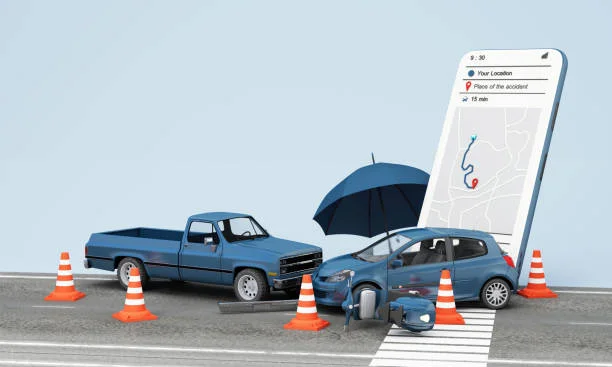
Greeley sits at the meeting point of US-34, US-85, and SH-257 — three corridors that move agricultural product, oil-and-gas service vehicles, livestock haulers, and commuter traffic into and out of Weld County all day. The result is a high-frequency, high-severity crash environment: rear-end pile-ups in US-34 construction zones, head-on impacts on the unprotected stretches of US-85 north of Lucerne, and equipment-vehicle collisions on county-road grids during planting and harvest seasons. Insurance disputes in these cases are correspondingly complicated — multiple commercial policies, FMCSA-regulated carriers, agricultural-use exclusions, and frequent subrogation fights with health insurers. Talking to a Greeley personal injury lawyer early is what positions a case correctly before evidence disappears. Greeley personal injury lawyer
Northern Colorado’s agricultural and energy economy puts vehicles on the road that most metro drivers never encounter: tandem grain trucks, oilfield service rigs, livestock trailers, and self-propelled farm equipment moving between fields. Each carries its own regulatory framework — FMCSA for interstate motor carriers, USDOT numbers for in-state commercial vehicles over weight thresholds, and agricultural-use exemptions for certain implements. Knowing which framework applies shapes the claim’s structure for Greeley Personal Injury Lawyer.
Immediate Steps After a Car Crash or Corridor Injury
Health is non-negotiable. Get a medical evaluation after any collision, even when you feel fine — adrenaline reliably masks cervical, lumbar, and concussive injuries that surface 24–72 hours later. The medical record generated in those first 72 hours becomes the spine of the claim; gaps and inconsistencies are exactly what adjusters use to dispute causation.
Then document. Time and weather, road conditions, presence and identifying details of any commercial or agricultural vehicle (USDOT number, company name on cab door, trailer markings), witness names and phone numbers, photos of vehicle damage from multiple angles, license plates, skid marks, debris field, and visible injuries. The record-quality difference between a well-documented scene and a phone-call-only report frequently determines whether liability is contested or conceded.
Understanding the Insurance Maze in Colorado
Colorado requires drivers to carry minimum liability coverage (currently $25,000 per person/$50,000 per accident bodily injury and $15,000 property damage), with significantly higher requirements for commercial motor carriers under FMCSA rules ($750,000 minimum financial responsibility for general freight, $5 million for hazardous materials). [2] When agricultural equipment, oilfield trucks, or interstate haulers are involved, the coverage stack expands quickly — but so do the insurer disputes about which policy is primary, which exclusions apply, and whether contingent coverage is triggered. Multi-vehicle, multi-policy crashes routinely involve four or more carriers competing for allocation.
Subrogation deserves its own line item. If your health insurer pays your medical bills while your liability claim is pending, that insurer has a contractual right to be reimbursed from your settlement (subject to plan terms, ERISA rules, and Colorado’s common-fund and made-whole doctrines). Counsel negotiates these liens — often reducing them by 25–50% or more — which can return tens of thousands of dollars to the client. Settling a case without doing this work means giving away money you don’t realize you’re owed.
Documenting Injuries and Expenses
Build the file methodically: every medical evaluation, treatment plan, invoice, EOB, and prescription receipt, all correspondence with insurers, a daily log of pain levels and limitations, and a record of every missed shift or workday. Self-employed claimants need tax returns, 1099s, and project documentation. The file is the case — adjusters discount what they can’t see and concede what’s well-documented.
Leveraging Technology for Recovery and Legal Support
Modern case management closes the gaps adjusters look for. Secure client portals for document sharing, AI-assisted medical record review that flags missing visits or unsupported diagnoses, structured pain-and-recovery journals, and real-time communication with counsel reduce the friction that historically caused claimants to drop the ball. In high-stakes trucking and corridor cases, that organizational discipline frequently makes the difference between a settled case and a contested one.
The Role of Legal Representation in Greeley Injury Cases
Insurance carriers and trucking-company defense counsel are professional negotiators. Cases involving commercial trucks, agricultural equipment, or oilfield service vehicles bring additional regulatory complexity — FMCSA hours-of-service violations, electronic logging device (ELD) data, drug and alcohol testing records, maintenance logs — all of which require formal discovery and preservation demands. Colorado’s three-year statute of limitations for personal injury (C.R.S. § 13-80-101(1)(n)) and shorter notice periods for government defendants (180 days under the CGIA) mean delay is fatal.
PI counsel coordinates evidence preservation, regulatory record requests, accident reconstruction experts, and the medical records workflow that produces a credible damages package. They also handle subrogation negotiation and lien resolution — the unglamorous work that frequently determines what settlement money actually reaches the client. Don’t wait; in Colorado, deadlines are unforgiving. Insurers
Managing Stress Through the Claims Process
Recovery is grinding work. Focus on what’s controllable — keep medical appointments, follow the treatment plan, document daily, and let counsel handle the insurance fight. Set realistic timelines (most cases resolve in 6–18 months; complex commercial cases are longer), and lean on family, employer accommodations, and mental health support where needed. Untreated PTSD and anxiety after serious crashes are common and recoverable as damages — but only if documented through professional care.
Conclusion: Protecting Yourself After an Accident in Greeley
Greeley’s mix of US-34/US-85/SH-257 traffic, agricultural equipment movement, and oilfield service vehicles makes it one of Colorado’s most complex PI environments. Prompt medical care, disciplined documentation, an honest understanding of the insurance and subrogation landscape, and counsel who’s worked these specific corridors are what produce strong outcomes. Conduit Law represents injured drivers, passengers, agricultural workers, and oilfield service personnel across northern Colorado on contingency — no fee unless we recover. The deadlines start running on the date of the crash; don’t wait.
Craving more insights? See what else we’ve uncovered at 2A Magazine: