Key Takeaways
- Understanding the critical role of the jawbone in overall oral health.
- Identifying lifestyle factors that influence jawbone density and strength.
- Implementing strategies to maintain and improve jawbone health through daily habits.
Table of Contents
- The Importance of Jawbone Health
- Lifestyle Factors Affecting Jawbone Health
- Diet and Nutrition
- Physical Activity
- Oral Hygiene Practices
- Avoiding Harmful Habits
- Regular Dental Check-ups
- Conclusion
The Importance of Jawbone Health
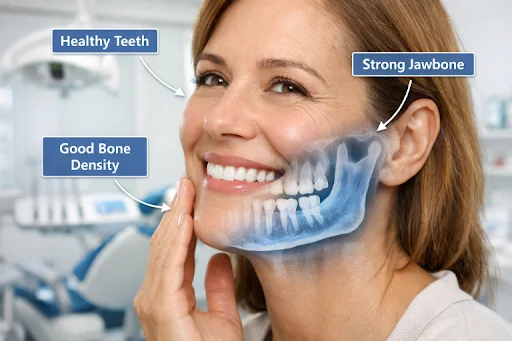
The jawbone is a vital component of oral health, serving as the anchor for teeth and supporting functions such as chewing, speaking, and facial structure. A healthy jawbone helps maintain tooth alignment and provides the foundation for restorative dental procedures when needed. If the jawbone is compromised, it can lead to tooth loss, tooth shifting, and visible changes in facial structure.
Jawbone deterioration is often a gradual process. It can result from a variety of underlying causes, including gum disease, trauma, or even the aging process. Recognizing symptoms like pain under ear behind jaw bone left side or discomfort in the jaw area is important for early intervention and effective management.
When the jawbone weakens, it can lead to functional challenges and decreased confidence in one’s smile. Protecting this foundational oral structure is not just about aesthetics, as it has a direct impact on your daily comfort and wellness. Proactive care and awareness can help safeguard your jawbone for the long term. Jawbone health is not just affected by genetics or age. A growing body of research shows that certain lifestyle choices, including daily dental hygiene and diet, can play a powerful role in either accelerating bone loss or fostering lasting strength. Understanding these factors can empower you to make choices that support a healthy mouth. The oral health experts at Champaign Dental emphasize the importance of regular check-ups and proper oral hygiene as part of a comprehensive approach to maintaining jawbone health.
Lifestyle Factors Affecting Jawbone Health
Multiple lifestyle decisions directly impact the density and strength of the jawbone. Diet, physical activity, personal habits, and oral hygiene practices are all significant factors. Poor nutrition, smoking, sedentary habits, or neglecting dental visits can diminish oral bone health over time. On the other hand, consistent, positive routines can be protective, helping keep bone loss at bay and ensuring your mouth remains functional and attractive.
Diet and Nutrition
Nutrition plays a pivotal role in maintaining bone health throughout the body, including the jawbone. Calcium and vitamin D are crucial nutrients; calcium helps build and maintain bone, while vitamin D assists in its absorption. Foods rich in calcium include dairy products, fortified plant milks, almonds, and leafy greens. Fatty fish like salmon and exposure to natural sunlight are great sources of vitamin D. Consuming excessive sugars and acidic foods can, however, damage the teeth and supporting bone by encouraging decay and infection. Maintaining a balanced diet, coupled with proper hydration, supports immune health and optimizes the body’s ability to heal and regenerate tissue.
Physical Activity
Regular physical activity strengthens the body’s musculoskeletal system, including the jawbone. Weight-bearing exercises, such as walking, jogging, or resistance training, stimulate bone formation and help prevent bone density loss as we age. For individuals at risk of osteoporosis, regular exercise is a non-negotiable component of bone health management. While the impact of physical activity on the jawbone may be less direct than on leg or arm bones, an active body generally promotes stronger bones throughout.
If you have jaw joint issues or temporomandibular disorder (TMD), consult a dental or medical professional before beginning new exercises, as certain activities could exacerbate symptoms.
Oral Hygiene Practices
Daily oral hygiene is fundamental for preventing gum disease, one of the leading causes of jawbone loss. Brushing twice daily with fluoride toothpaste, flossing, and using antibacterial mouthwash can minimize harmful plaque and bacteria. Consistent care reduces inflammation and helps maintain the health of both soft and hard oral tissues.
Professional dental cleanings are also key. These targeted visits remove tartar that brushing and flossing cannot address, helping to stave off the progression of periodontal disease, which can silently damage the jawbone over time. Preventive care should begin early and be prioritized at every life stage.
Avoiding Harmful Habits
Certain habits, like smoking and excessive alcohol consumption, have been conclusively linked with reduced bone density, poor oral healing, and higher risks of gum disease. Smoking impacts blood flow, limiting nutrient delivery to bone and gum tissue. Alcohol can deplete the body’s nutrient reserves and impede the bone renewal process. By quitting smoking and moderating alcohol use, substantial benefits can be achieved both for the jawbone and whole-body health.
Regular Dental Check-ups
Proactive dental care enables early detection and management of issues that could threaten jawbone health, such as misaligned teeth, infections, and signs of periodontal disease. Dental professionals can provide customized advice and may recommend imaging or treatments if bone loss is suspected. Regular exams also offer an opportunity to ask questions and receive guidance tailored to your lifestyle and needs.
Conclusion
Protecting your jawbone is an ongoing process rooted in daily choices. Opting for a nutritious diet, maintaining an active lifestyle, practicing robust oral hygiene, avoiding damaging habits, and scheduling regular dental check-ups are essential steps you can take. By prioritizing these strategies, you secure not just a healthy jawbone but also greater oral and overall wellness for years to come.
If you only read one thing today, make it this game-changer at 2A Magazine.