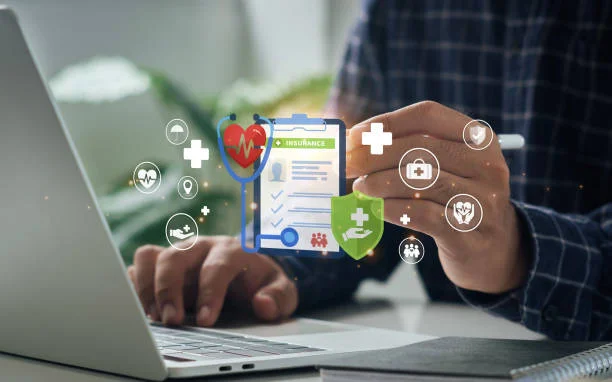
Medical costs can come out of the blue, and being prepared matters. A good medical insurance policy can help you manage hospital expenses with less stress. One useful feature many people look for is cashless medical insurance. It makes getting treatment easier by reducing the need for immediate payments during hospitalisation. This can help you focus more on health and recovery.
What is Cashless Medical Insurance?
Cashless medical insurance is a health cover feature where your insurance provider directly pays the hospital for covered medical expenses. This usually happens when you get treated at a network hospital, which is a hospital connected with your insurer.
With this system, you may not need to arrange large payments up front for approved treatments. Cashless medical insurance can be used for planned treatments as well as emergency hospitalisations, depending on your policy terms.
How Does Cashless Medical Insurance Work?
Cashless medical insurance follows an easy step-by-step system that supports smooth hospital care.
1. For Planned Hospitalisation:
- Choose a network hospital from your insurer’s list
- Show your health card or policy details
- Fill out a pre-authorisation form
- The hospital sends it to the insurer for approval
- Once the request is accepted, the hospital can proceed with your treatment.
2. For Emergency Hospitalisation:
- Visit the nearest network hospital
- Share your insurance details during admission
- The hospital contacts the insurer
- After confirmation, you can move ahead with the planned medical procedure.
Benefits of Cashless Medical Insurance
Many policyholders prefer cashless medical insurance as it can improve the treatment experience in many practical ways:
- Quick access to medical care
- Less immediate financial planning during treatment
- Simple claim support through network hospitals
- Reduced paperwork for policyholders
- Helpful for both individuals and families
- Greater peace of mind during hospitalisation
It supports better healthcare access by making the payment process easier.
Things to Check Before Using Cashless Insurance
To use your cashless coverage smoothly, keeping a few important details in mind can be helpful:
- Check the list of network hospitals
- Understand what treatments are covered
- Keep your policy card and ID ready
- Learn about waiting periods
- Follow the claim steps properly
Documents You May Need for Cashless Claims
Using cashless medical insurance is usually simple, but keeping basic documents ready can help speed up the process. You may need your health card, policy number, identity proof and doctor’s advice for hospitalisation. For planned treatment, pre-authorisation forms may also be required.
Having these documents prepared in advance can support a smooth approval process, which will help you access treatment quickly without unnecessary delays.
Cashless Claim vs Reimbursement Claim
In a cashless claim, the insurer pays the hospital directly for approved expenses. In a reimbursement claim, you pay first and then submit bills for repayment later.
Both options are useful, but cashless claims are often more convenient for planned and emergency care. They can save time, reduce paperwork stress and offer a smoother hospitalisation experience for policyholders.
Conclusion
Cashless medical insurances is a smart feature that makes healthcare easier to manage. It supports timely treatment and simplifies hospital payments. By choosing the right medical insurance policy and understanding how it works, you can enjoy better financial comfort and focus more on your well-being when healthcare is needed.
Learning about your policy benefits in advance can also help you use coverage more confidently.
Curated just for you: Discover more topics that actually matter at 2A Magazine.