Yes — you absolutely can you sell AI generated art, and thousands of people are doing it right now on Etsy, Redbubble, their own stores, and stock platforms. But the way most guides explain it? They leave out the parts that actually get people in trouble.
This isn’t going to be one of those articles that just says “yep, totally legal, here are some platforms, good luck.” We’re going to dig into the copyright reality of 2026, the platform-by-platform rules that differ wildly from each other, which AI tools actually give you commercial rights, and the one mistake that makes your AI art basically impossible to protect.
Let’s get into it.
Is It Actually Legal to Sell AI Art?
Short answer: yes, in most cases. But “legal to sell” and “you own the copyright” are two completely different things — and most guides blur that line in a way that can seriously hurt you later.
Here’s where the law actually stands in 2026.
The Copyright Office Position (Still No Protection for Pure AI Output)
The U.S. Copyright Office has maintained a consistent position: purely AI-generated images created solely by typing a text prompt do not qualify for copyright protection. No human authorship, no copyright. This was reinforced through the Thaler v. Perlmutter case — and in March 2026, the U.S. Supreme Court declined to hear the appeal, leaving the lower court ruling intact. At this point, it is about as settled as law gets in this space: purely AI-generated works do not qualify for copyright protection under current U.S. law.
What does that mean practically? If you type a prompt into Midjourney and upload the image directly to your Etsy shop — that image is effectively public domain. Someone can legally steal your raw AI image and put it on a mug, and you technically cannot sue them for copyright infringement.
That’s the thing other articles skip over. You can sell public domain art — just like you can sell a poster of the Mona Lisa — but you can’t stop someone else from selling the same thing.
The “Human Authorship” Workaround That Actually Works
Here’s where it gets interesting. The US Copyright Office has generally taken the position that AI-assisted art — where there is clear human creative input — can be copyrightable to the extent of that human contribution.
This means if you take your Midjourney output and:
- Substantially retouch it in Photoshop or Procreate
- Add original typography or hand-lettered text
- Combine multiple AI outputs into an original composite
- Incorporate hand-drawn elements
…the human-created portions of that final piece are protectable. There is no official percentage or threshold — anyone claiming otherwise is guessing. What courts and the Copyright Office actually look for is whether a human made meaningful, demonstrable creative decisions: deliberate retouching, original composition choices, hand-drawn elements layered in, or significant color and structural changes. The more documented your creative process, the stronger your position.
This isn’t just a legal technicality. It’s genuinely better business strategy — modified pieces look more unique, sell at higher prices, and competitors can’t just copy-paste your designs.
Which AI Tools Actually Give You Commercial Rights?
Not all AI art generators are equal when it comes to selling. This is where a lot of people trip up — especially with free tiers.
Midjourney
Paid subscribers (Basic, Standard, Pro, or Mega plans) can sell Midjourney art commercially. Free/trial users cannot sell — Midjourney owns those images.
The Basic Plan at $10/month includes commercial usage rights, but ONLY if your company makes less than $1,000,000 in annual gross revenue. Over that threshold? You need the Pro or Mega plan. For most of us, that’s not a concern right now, but it’s worth knowing.
One important nuance: when you use Midjourney, you also grant the platform a perpetual, royalty-free license to reproduce and display the prompts you input and the images generated from them. That doesn’t block you from selling, but you don’t have 100% exclusive ownership either.
DALL-E / OpenAI
OpenAI is pretty creator-friendly here. OpenAI allows commercial use of DALL-E-generated images as long as you follow their content policy and terms of service, and you own the rights to the images you create.
Adobe Firefly
Adobe Firefly is specifically built with commercial use in mind — it’s trained exclusively on licensed content and public domain works, which means you’re not inheriting the murky training-data liability that comes with other tools. Adobe also offers IP indemnification for Firefly outputs, meaning if a third party ever claims your Firefly-generated image infringes their copyright, Adobe provides legal cover. For high-stakes commercial work — client projects, product packaging, brand assets — this makes Firefly the most legally defensible option available right now. If you’re already on Creative Cloud, this is honestly an underrated option. Adobe Stock has its own strict submission rules though (more on that below).
Stable Diffusion
If you’re using Stable Diffusion locally or via open platforms, you usually have full ownership of the outputs. But some hosted versions may have their own terms. Worth double-checking wherever you’re running it.
The rule of thumb: Always check the Terms of Service under “Commercial Use” or “Licensing” for whatever tool you’re using. Free tiers almost never include commercial rights.
Where Can You Actually Sell AI Generated Art?
Etsy
Etsy is probably the most popular marketplace for AI art right now. YES, you can sell AI-generated art on Etsy as of 2026, but you MUST disclose that it’s AI-generated in your listings.
Specifically, when creating a listing, you need to check the “I used AI-generative technology to create or alter this item” box in the Production & Partners section. You also need to mention it in your description.
Etsy’s data shows 68% of buyers are fine with AI art if disclosed. That’s actually pretty reassuring — upfront disclosure doesn’t tank your sales, it sets proper expectations and reduces disputes.
One thing to know: Etsy’s automated enforcement system can be aggressive. Compliant sellers do get flagged. If that happens, appeal immediately — it’s usually resolved quickly if you’ve followed the rules.
Amazon Merch on Demand
Amazon has gotten significantly stricter. Amazon Merch has cracked down on obvious unmodified AI images. Their detection bots now use image recognition to flag potential IP infringements — even accidental ones. If your “cute superhero mouse” looks 90% like Mickey Mouse, you’ll get banned even if you didn’t intend to copy Disney.
The fix: reverse image search your designs with Google Lens before uploading. It takes 30 seconds and can save your account.
Redbubble and Society6
Both platforms allow AI-generated art with disclosure. Redbubble and Society6 allow AI art but require confirmation of commercial rights. These are great for passive income — upload once, earn forever when people buy prints, shirts, phone cases, etc.
Adobe Stock
Adobe Stock is the most restrictive major platform. They require AI disclosure, original content only, and have specific IP restrictions for generative AI that go beyond simple labeling. If you’re planning to submit Midjourney outputs to stock libraries for licensing revenue, read their current policies carefully before assuming everything qualifies.
Your Own Store
Honestly? If you’re serious about this, setting up your own Shopify or WooCommerce store paired with a print-on-demand service like Printful or Printify gives you the most control. No platform policy changes to worry about, higher margins, and you own your customer relationships.
The Print-on-Demand Strategy (No Inventory Required)
Print-on-demand is probably the most beginner-friendly way to monetize AI art. Here’s why it works so well:
You create the design, upload it to a POD platform, and they handle printing, shipping, and customer service. You collect the margin between their base cost and your sale price. Zero upfront inventory.
The products that tend to sell best:
- Wall art / prints — people genuinely want to hang interesting art, and AI generates wild, unique visuals
- T-shirts and hoodies — especially niche designs (gothic astrology, cottagecore cats, dark academia vibes)
- Mugs and drinkware — consistent best-sellers across most POD platforms
- Phone cases — high volume, decent margins
- Stickers — cheap to produce, impulse buys, great for bundling
The niching strategy matters a lot here. “Cool fantasy art” is not a niche. “Solarpunk city landscapes with bioluminescent plants” is a niche. Go specific.
The Real Business Model: What Actually Makes Money
Here’s what the get-rich-quick tutorials don’t tell you: uploading 500 raw AI images to Etsy and waiting for sales doesn’t work in 2026. The market has gotten crowded.
What actually works:
Niche dominance over volume. Pick a specific aesthetic or theme — tarot card art, retro sci-fi posters, mushroom forest watercolors — and build a cohesive brand around it. Buyers aren’t looking for “AI art,” they’re looking for a specific vibe.
Human modification as a differentiator. Sellers who add typography, hand-tweaked color grading, or mixed-media elements consistently outperform those selling raw outputs. This also strengthens your copyright position, as we covered above.
SEO on your listings. Etsy is a search engine. Use relevant keywords in your titles, descriptions, and tags. Some buyers specifically search for “MidJourney art” or “DALL-E prints” — lean into that rather than hiding the AI origin.
Social proof and storytelling. Show your process on Instagram or TikTok. Share the prompts, the iterations, the choices you made. This builds an audience and makes buyers feel connected to the work — which matters even (especially) when they know it’s AI-assisted.
The Copyright Trap Nobody Warns You About
There’s one specific risk that’s separate from the “can I sell this” question, and it’s bigger than people realize.
Even if you have full commercial rights from your AI tool, you can still accidentally create infringing content. AI models are trained on existing work and can reproduce recognizable elements — characters, logos, architectural styles that are trademarked, distinctive artwork styles tied to specific living artists.
Never trust the AI blindly. Reverse image search your own designs using Google Lens before uploading to ensure you aren’t accidentally selling a trademarked character.
Specific things to avoid in your prompts:
- Named Disney, Marvel, DC, or Nintendo characters (obvious, but “cute mouse with round ears” can still trigger it)
- Named living artists (“in the style of [artist name]”) — this is legally murky and ethically questionable
- Brand logos or product names
- Realistic images of recognizable real people
Stick to original concepts, abstract aesthetics, and broad style directions (“painterly,” “impressionist,” “cyberpunk”) rather than references to specific protected works.
Platforms Where AI Art Is Restricted or Banned
Worth knowing: not every marketplace welcomes AI art.
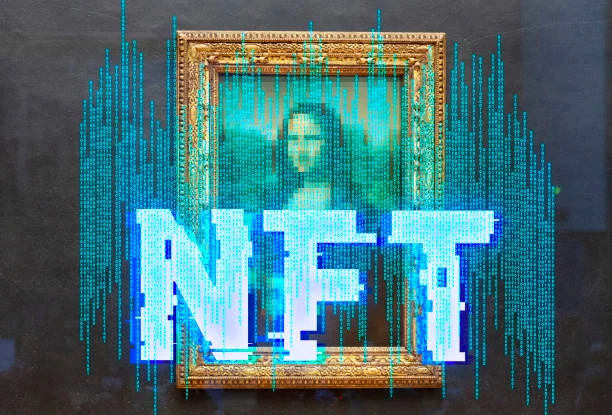
Some NFT marketplaces have banned or heavily restricted AI-generated art. Fine art galleries and juried art shows almost universally exclude it. Stock photo platforms like Shutterstock have historically been more restrictive, with limited AI partnership programs rather than open submissions.
If you’re selling in spaces where buyers expect human-made work — and you’re not disclosing AI use — that’s where you can get into real trouble. Not just legally, but in terms of reputation.
Be upfront. Most buyers in 2026 are comfortable with AI art when it’s disclosed. It’s the deception they push back on.
Frequently Asked Questions
Can you sell AI generated art on Etsy? Yes, but you’re required to disclose it. Etsy added a mandatory AI disclosure checkbox in 2023, and as of 2026 it’s strictly enforced. Failing to disclose can result in listing removal or account suspension.
Do you own the copyright to AI generated art? Not automatically, no. Under current US law, purely AI-generated images without significant human creative input cannot be copyrighted. You can sell them (like public domain art), but you can’t prevent others from copying them. Adding substantial human modification — Photoshop work, hand-drawn elements, original typography — creates copyrightable human-authored additions.
Can you sell Midjourney art commercially? Yes, if you have a paid subscription (Basic plan at $10/month or higher). Free trial users have no commercial rights. If your company earns over $1 million annually, you need the Pro or Mega plan.
Does AI art sell well? It depends heavily on niche, branding, and how much you’ve differentiated the work from raw AI outputs. Generic AI art in crowded categories doesn’t sell well. Niche-specific, human-touched AI art in underserved markets can generate consistent income.
Do you have to disclose that art is AI generated? On Etsy and Amazon KDP, disclosure is mandatory. On most other platforms it’s recommended but not always required. From a trust and ethics standpoint, being transparent is the right call regardless of whether it’s strictly required.
Can you sell AI art on Redbubble? Yes. Redbubble allows AI-generated designs as long as you confirm you have commercial rights from your AI tool, and the designs don’t infringe on trademarks or copyrights.
What happens if someone copies my AI art? If you haven’t added significant human modifications, you may have limited legal recourse, since purely AI-generated images may not be copyrightable. This is exactly why adding your own creative layer matters — both legally and commercially.
Can I use AI art for commercial purposes without a paid subscription? For most major AI tools (Midjourney, some versions of DALL-E), no. Free tiers typically come with non-commercial licenses. Adobe Firefly through Creative Cloud and some other platforms have different structures — always check the specific ToS.
The Bottom Line
Can you sell AI generated art in 2026? Absolutely. The market is real, the platforms are (mostly) open to it, and the tools have never been more powerful.
But go in with clear eyes. You probably don’t have traditional copyright protection on pure AI outputs. You can sell them anyway, but you can’t stop copycats — which means your competitive advantage has to come from curation, branding, and the human creative layer you add on top. The sellers making real money from this aren’t treating AI like an automated cash machine. They’re using it as a creative tool and still doing genuine creative work on top of it.
Get a paid subscription to your AI tool of choice. Disclose on platforms that require it. Modify your outputs before selling. Stay away from anything that looks like a trademarked character. And build a niche brand, not just a listing farm.
That’s the formula. Everything else is execution.
One important note for international sellers: this guide focuses primarily on U.S. copyright law, which is the most-referenced framework globally. However, laws vary significantly by country — the EU, UK, and other jurisdictions have their own developing positions on AI authorship. If you’re selling internationally at scale, it’s worth a quick check on your local rules, or a conversation with an IP attorney in your market.
This article is for informational purposes only and does not constitute legal advice. Copyright law is evolving rapidly. Consult a qualified IP attorney for guidance specific to your situation.