
Many small business owners find themselves handling everything, from sales to operations to finances. In the early stages, that’s often necessary. But as the business grows, managing finances without clear systems can become a limiting factor.
When financial tracking is inconsistent or incomplete, it’s easy to miss opportunities or make decisions based on guesswork. That’s where better financial tracking comes in. With the help of tools like real-time reporting and expense tracking, you can gain the kind of visibility that acts like a virtual finance assistant.
What “better financial tracking” really means
Financial tracking is more than recording income and expenses. It’s about having clear, accurate, and usable information that helps you understand how your business is performing. At a practical level, this means consistently monitoring key areas like cash flow, profitability, and spending patterns. This could include: recording income and expenses in real time, categorizing transactions so they’re easy to analyze, and using dashboards or reports to see performance at a glance.
This tracking is especially important because timing matters in small business finances. Knowing where you stand today, not just at month-end, allows you to respond quickly to changes. In these situations, financial tracking becomes a decision-making tool rather than just a record-keeping task, and gives you the clarity needed to grow in a controlled and sustainable way.
How poor financial tracking can slow growth
When your financial data is outdated or incomplete, decision-making becomes reactive. Instead of planning ahead, you’re constantly catching up.
One of the most common outcomes is missed revenue opportunities. Without clear visibility into your numbers, it’s difficult to know which products or services are truly driving profit. You may continue offering low-margin services or underprice your work because you don’t fully understand your costs. Over time, this limits your ability to reinvest and grow.
Cash flow surprises are another issue. If you don’t have a clear picture of outstanding invoices or upcoming expenses, it becomes harder to plan ahead. This can lead to unnecessary stress or missed opportunities during slower periods. Inefficient use of time also plays a role. Manual processes like building reports, reconciling transactions, or updating spreadsheets take time away from running your business. These tasks can become repetitive and difficult to scale. Together, these challenges slow down your ability to make progress and respond to opportunities.
How Better Tracking Enables Faster Growth
Improved financial tracking changes how you operate. Instead of reacting to problems, you can anticipate them and act with confidence. With real-time data, decision-making becomes faster and more informed. You can quickly identify what’s working and what isn’t, adjust pricing, reduce unnecessary spending, and focus on high-performing areas of your business.
Cash flow management can also improve. When you can clearly see incoming and outgoing cash, it becomes easier to plan for expenses, manage receivables, and decide when to invest in growth. This reduces uncertainty and helps you stay in control.
Another key benefit is increased capacity. Even with free accounting software, automation can handle routine tasks such as categorizing expenses, generating recurring invoices, and updating reports, reducing administrative workload and freeing up time for activities that drive revenue and growth.
Key Financial Areas that Drive Growth
Not all financial data is equally useful. Focusing on the right areas helps you make more meaningful improvements.
Revenue and profitability are at the core. Understanding which products or services generate the most profit allows you to prioritize your efforts and allocate resources more effectively. Expense tracking provides insight into where your money is going. This makes it easier to identify unnecessary costs, improve budgeting, and maintain spending discipline.
Accounts receivable is another critical area. Knowing who owes you money and when payments are due helps you follow up more effectively and maintain steady cash flow. Cash flow trends tie everything together. By looking at patterns over time, you can identify seasonal shifts, anticipate changes, and plan for the future with greater confidence.
Focusing on these areas helps turn financial data into actionable insights.
How to improve your financial tracking on your own
Improving your financial tracking doesn’t require adding staff. In many cases, it starts with refining your processes and using the right tools. Begin by centralizing your financial data. Keeping everything in one system reduces confusion and ensures your records are consistent and up to date. This is where small business accounting software can be especially helpful, as it brings together income, expenses, and reporting in a single place.
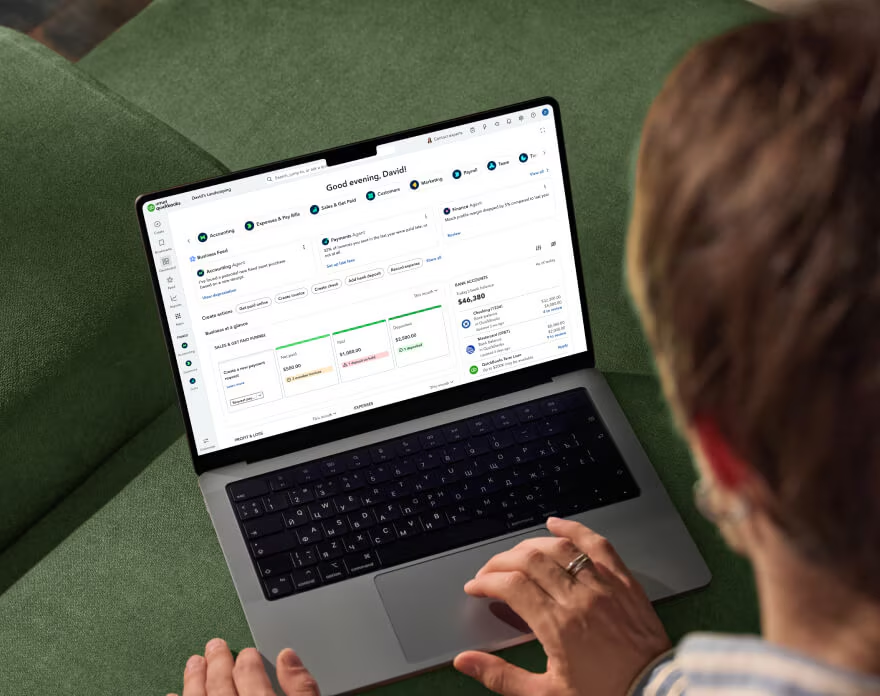
Automation can then reduce manual work. Connecting bank feeds, setting up recurring invoices, and automating expense categorization improves both efficiency and accuracy. Using real-time dashboards allows you to monitor key metrics without digging through reports. Regular check-ins help you stay aligned with your goals and respond quickly to changes.
Standardize your categories to improve clarity. Consistent income and expense categories make your reports easier to understand and more useful for decision-making. Scheduling weekly financial reviews can helps maintain consistency. Spending time looking at performance trends, outstanding invoices, and recent expenses allows you to catch issues early and adjust as needed.
Finally, use built-in reports, such as profit and loss or cash flow summaries to turn your data into insights without requiring manual analysis.
Final Thoughts
Better financial tracking isn’t just about staying organized; it’s a practical way to support growth. With clearer visibility into your numbers, you can make faster, more informed decisions, avoid costly mistakes, and use your time more effectively. By improving your systems and using tools that provide automation and real-time insight, you create the capacity to grow your business without immediately needing to hire additional help.