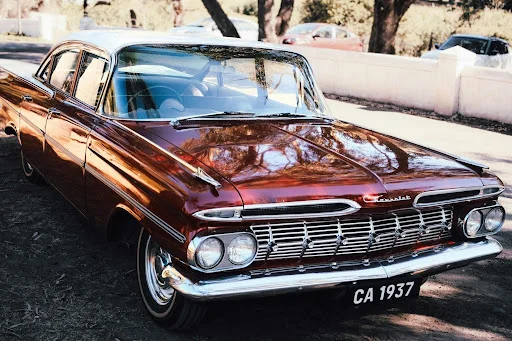
Classic cars are often more than just a way to get around the local neighbourhood. They represent a specific moment in history where engineering met pure imagination in the design studio. Classic vehicles stand as icons of human creativity.
The curves and edges of a vintage vehicle tell a story of industrial innovation. Looking at specific designs reveals how much they share with the world of architectural art. They are built to last and to be admired.
Moving Structures and Living Spaces
A car is a room that moves through space. One historical analysis suggested that car design is a search for the passenger area to act like architecture in motion. The perspective changes how we view the cockpit and the frame.
Designers aim to wrap the working parts and the people inside a package that suggests movement. One magazine explained that interior spaces correspond to outer forms, much like buildings do. The result is a functional home for the driver on the road.
Engineers and architects share the same goals when starting a project. They want to balance how something looks with how it works on the road. A car frame serves as the foundation for the entire aesthetic experience.
Heritage and History in Every Frame
The restoration process often takes months of careful work by dedicated mechanics. Enthusiasts who visit places like Gullwing Motor Cars, for example, often find that the search for the perfect model is part of the fun. Experts understand how to preserve the spirit of a vintage engine.
Old cars hold a level of detail that modern machines rarely match on the assembly line. Every bolt and piece of trim was chosen to fit a specific vision of the future.
Owning a piece of history is a unique feeling for any collector. It connects the driver to a past era of manual labor and hand-crafted beauty. Each vehicle serves as a rolling museum piece on the street.
The Growing Market for Mobile Art
Financial growth in the sector has been steady and quite impressive lately. A market report found that the classic car industry was worth $39.7 billion. The number shows that people see real value in older designs.
The market is not only for the ultra-wealthy individuals at high-end auctions. Data from a pricing platform shows that about 60% of listings fall under the $40,000 price point.
- Classic cars offer a tangible asset for owners.
- Design history drives the demand for older models.
- Maintenance creates a community of highly skilled experts.
The Influence of Art Deco Style
The early 20th century brought a specific look to the automotive world. A design study described the Art Deco style as a blend of large gestures and very fine details. You can see it in the swept-back fenders and chrome accents of the era.
Major brands have treated their vehicles as literal canvases for expression. A recent news update from a luxury manufacturer highlighted their collection of 20 vehicles that act as symbols of commitment to global arts. Classic cars bridge the gap between metal and paint.
This era proved that a car could be a masterpiece of design. The focus was on glamour and the future of speed. Architects of the time used similar motifs in skyscrapers and bridges during the building boom.
Kinetic Sculptures in Modern Galleries
Many people view classic machines as more than just tools. A cultural article mentioned that the most famous cars are now as collectable as fine art. They are often called kinetic sculptures.
The way we store old cars is changing in the modern world. A design blog noted that modern garages are being built with the proportions of a high-end art gallery. The spaces use special lighting and symmetry to frame the car as a central piece.
The trend shows that the car is the focal point of the modern home. Owners want to see their vehicles from their living rooms at night. It treats the car as a permanent installation like a statue.
Shaping the Future Through the Past
Designers in the past had a deep understanding of human emotion. A vintage car resource noted that creators knew how shapes and colours could make a vehicle feel powerful or elegant. Those lessons still apply to how we build things.
Classic lines never really go out of style for long. They provide a blueprint for what humans find beautiful across different generations. It is why certain silhouettes remain famous for over 50 years without any changes.
Modern cars try to mimic classic shapes with new technology. The original proportions of a vintage car are hard to replicate today. Raw materials and manual techniques gave them a character that is hard to find now.
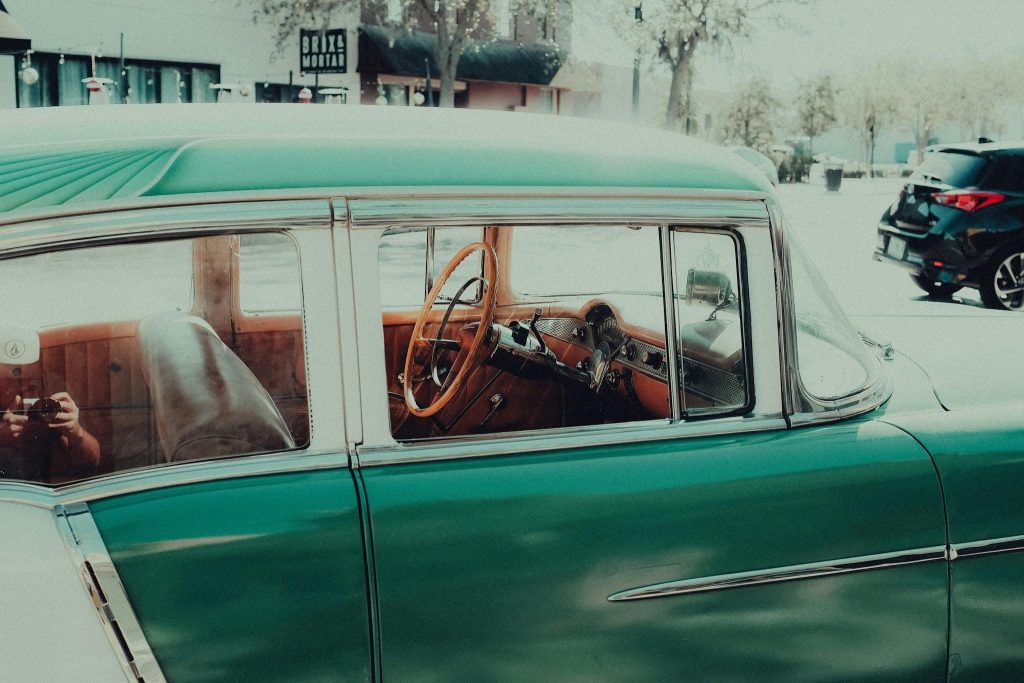
Classic cars remain a bridge between the world of transit and the world of high art. Their presence on the road reminds us that beauty and function can live together in one piece of metal.
Whether parked in a gallery or driving down a highway, classic vehicles command attention. They are the architectural wonders of the automotive world. The lines will stay iconic for many years to come.
Handpicked for you: The secret to mastering this topic at 2A Magazine.