Planning a major festival or outdoor corporate gathering takes months of prep work. You need to think about every small detail, from power grids to guest flow. A successful day starts with a solid foundation and a team that understands the site.
Outdoor spaces lack the built-in infrastructure of indoor venues. This means you must bring in every piece of equipment your guests might need. You have to create a mini-city in a field or park within just a few days.
Mapping Out Your Site Layout
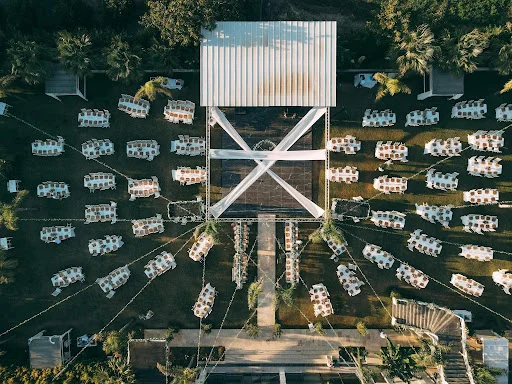
Finding the right balance for your floor plan prevents crowding and confusion. You should mark off zones for stages, food vendors, and restrooms early in the process. A clear map helps vendors find their spots without delay on the morning of setup.
Success relies on hygiene placements. Placing hand wash stations near food areas keeps guests comfortable and healthy. It truly shows you care about their safety and want them to enjoy the food. Proper placement prevents long lines from blocking main walkways.
Site maps need to include emergency exits and vehicle access paths for safety. Staff members must know routes to handle deliveries and quick exits if a problem arises
Managing Complex Transportation Needs
Getting heavy equipment to a field or park requires heavy-duty vehicles and experienced drivers. You need a clear schedule for when trucks arrive and leave to keep the flow moving. One late truck can throw off the entire setup timing for the whole weekend.
A report by an industry group estimated that transportation makes up about 36% of the event logistics market. It shows how much money and time go into moving gear. Planning for fuel costs and driver hours is a major part of the $10,000 budget for a local fair.
Staggered delivery times keep the entrance from getting blocked. Security teams can check every vehicle without causing a huge traffic jam. It keeps the local community happy by reducing noise and roadblocks throughout the build phase.
Powering Your Outdoor Venue
Most outdoor parks lack sufficient electrical outlets for large stages. Generators provide the 120V and 240V power needed for lights and sound systems. You must calculate the total load to avoid blown fuses during a main show.
- Silent diesel generators for sound stages.
- Small portable units for food stalls.
- Backup power for safety lighting.
Cables should be buried or covered with heavy ramps to keep the site tidy. It keeps guests from tripping and protects the wires from heavy foot traffic or vehicles. Safety checks on all wiring must happen before the gates open to the public.
Handling Growing Service Demands
Scaling an event from 100 people to 1,000 people changes your needs. You must increase your staff and rental orders to keep up with the crowd. Managing vendors takes a dedicated coordinator to keep things on track.
A market study found that service demand for gatherings increased by 17% between 2023 and 2024. The growth shows that more people are choosing outdoor experiences for their leisure time. Companies are spending more to make events feel professional and polished for their guests.
Hiring local vendors can save on shipping costs. Local teams know the local weather patterns and ground conditions better than outsiders. They can react faster if a storm hits or if a specific part breaks during the day.
Comparing Global Logistics Revenue
Planning styles differ based on the country and culture of the event. Large festivals often look to global trends for layout ideas.
Research from a trade group showed that the European region earned over 29% of all global event logistics revenue. The high spending reflects a mature market for outdoor entertainment. Organizers there invest heavily in temporary structures and site safety for their guests.
Higher revenue often means better tech, like digital ticketing and smart entry gates. These tools help manage thousands of people without long lines.
Managing Waste And Sanitation
Cleanliness is a top priority for any long event. You need a dedicated team to empty bins and clean restrooms every hour. A messy venue can ruin the reputation of a brand very quickly.
Large trash skips should be hidden from view but easy for trucks to reach. It keeps the venue looking nice for photos and guest enjoyment. Proper waste sorting helps meet local green rules and keeps the park clean for everyone.
Providing enough water for cleaning and drinking is a huge task. Water trucks might need to refill tanks throughout the weekend. Keeping guests hydrated and clean is a key safety duty for every planner on the site.
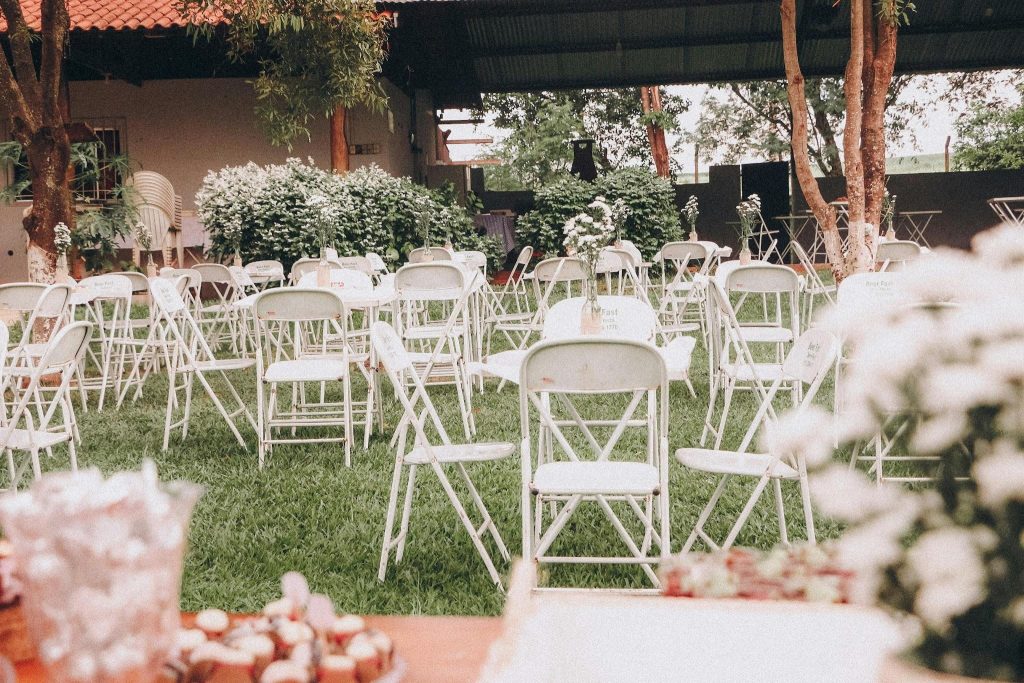
Running a large event is a huge project that needs a strong team. Careful planning prevents small errors from ruining the experience. Every detail matters when you are building a venue from the ground up in a park Large-Scale Outdoor Event.
Check your lists twice and stay flexible as things change. Good logistics turn a simple park into a world-class venue. Your hard work behind the scenes makes the event shine for every guest who walks through the gate.
Ready for the next level? Dive into our deeper dive at 2A Magazine.