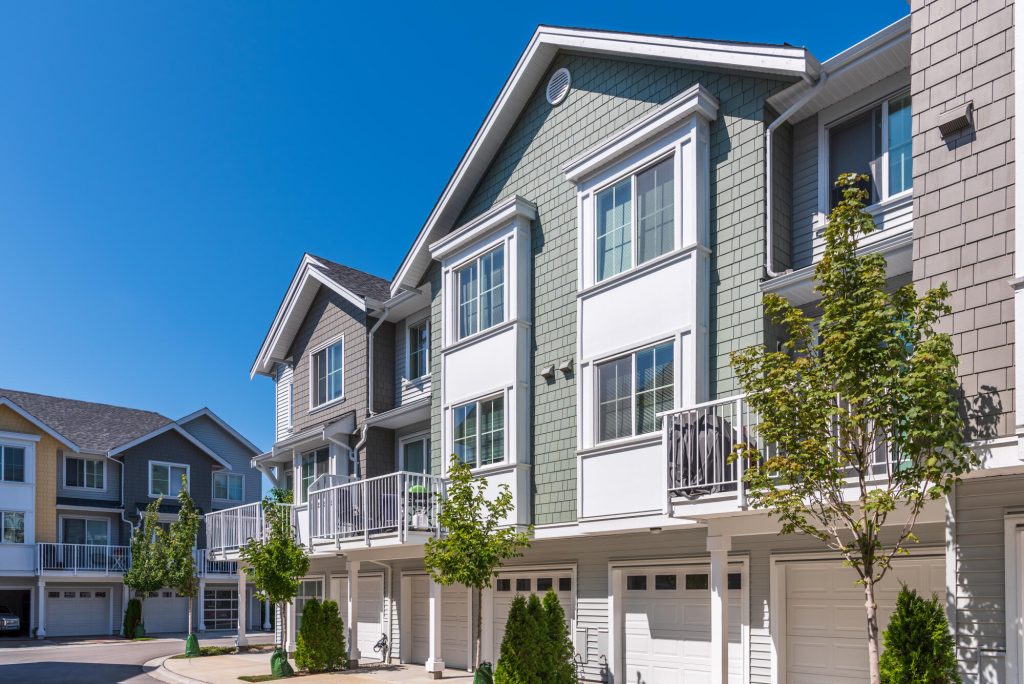
Have you ever noticed how some buildings in cities look new and different while others seem old and worn out? This change often happens because of market trends.
As the needs of people and the economy change, so do the buildings we see around us. In this blog post, we will explore how market trends can affect the design of urban architecture and how cities are planned for the future.
What Are Market Trends?
Market trends are patterns that show how certain things, like money and buying behaviors, change over time. These trends can help us understand what people want and need in their communities.
For example, if more people are moving to a city, we might notice new apartments or office buildings being built. Likewise, if a neighborhood is becoming less popular, older buildings may be torn down.
The Influence of Economic Factors
Economic factors play a big role in shaping market trends. When the economy is strong, people have more money to spend, leading to new buildings and improvements in existing ones. In contrast, if the economy is struggling, there may not be enough money to build new structures.
Understanding Architectural Innovation
Architectural innovation refers to creating new and unique designs that meet the needs of society. As tastes change, architects must adapt to these market trends. Let’s review a few examples:
- Sustainable Buildings
- Mixed-Use Developments
- Smart Buildings
Each of these innovations shows how architects are paying attention to data and facts regarding what people want and what is best for the environment.
Urban Planning and Market Trends
Urban planning involves designing city layouts to make them effective for their users. City planners must consider market trends when deciding how and where to build. If there’s a growing interest in outdoor activities, planners might add parks or bike lanes.
Cities optimizing their data usage to inform plans are more likely to flourish. This means keeping track of how many people live there, transportation patterns, and even how many shops go out of business.
Challenges of Adapting to Market Trends
While adapting to market trends can lead to wonderful innovations, it comes with challenges. Not everyone agrees on what is best for a neighborhood. Some people may want new high-rise buildings, while others prefer keeping traditional architecture.
Another challenge is the cost of building and innovation. Some new materials or designs can be expensive. Cities must decide whether these costs will be worth the benefits. For example, sustainable materials are great for the environment but may require higher initial investments.
The Future of Urban Architecture
The future of urban architecture will likely be driven by even more dynamic market trends. As people become more aware of climate change, we may see an even greater push for green buildings. Predictions suggest that in the next ten years, green spaces in urban areas will expand by about 30%.
Innovation will also continue to play a key role. Ideas like vertical gardens or 3D-printed buildings are becoming a reality, indicating the exciting future of architecture. Urban environments must stay ahead of these trends to build livable, sustainable, and modern cities.
Building a Better Tomorrow
In summary, market trends significantly influence urban architecture and planning. The way buildings look and how cities are laid out is shaped by what people need and want. By understanding how these trends work together, we can prepare for an exciting future of urban development.
For more helpful tips, check out the rest of our site today.