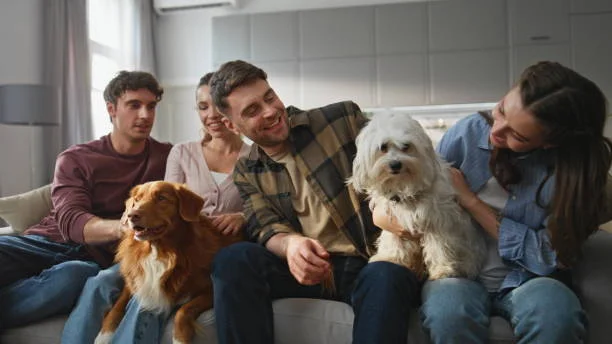
The Quiet Shift Happening in Our Cities
City life has changed. Not in some huge, obvious way that makes headlines, but in these smaller, quieter shifts in how people actually want to live. Smaller apartments. Packed calendars. A growing need for something that feels calm in the middle of all the noise. And in the center of all of this, something kind of interesting is happening.
More people are getting dogs.
But not the same kind of dogs. Family-friendly breeds have quietly become the go-to choice for a lot of urban households, and once you start paying attention, the reasons are pretty obvious.
It’s not just a practicality thing. It’s about emotional balance, about lifestyle fit, about the kind of energy people want waiting for them when they walk through the door at the end of a long day.
What “Family-Friendly” Really Means Today
The old definition of a family dog was pretty simple. Gentle. Patient. Good with kids. That still matters, obviously. But in a city, the idea has quietly expanded to mean a lot more.
Now, family-friendly also means adaptable. Chill in small spaces. Not a nightmare in elevators. Okay with strangers in the hallway, okay with the weird smells and crowded sidewalks, and sudden delivery bike noises that are just part of city life.
People aren’t just picking dogs they like the look of anymore. They’re picking dogs that fit into a very specific kind of environment without cranking up the stress level of everyone around them.
That’s a bigger shift than it sounds like.
Space Is Limited, But Connection Isn’t
Urban homes don’t come with a ton of square footage. Apartments replace backyards. Parks are shared with half the neighborhood rather than owned by a single family. So it makes sense that dog owners are thinking differently than they used to.
The big, high-energy breeds that basically need a field to be happy are becoming less and less realistic for many city dwellers. Instead, there’s real interest in breeds that are genuinely happy indoors, that settle easily, that don’t need three hours of running a day to not lose their minds. Owners want the warmth and connection without signing up for a lifestyle they can’t actually pull off.
This is where thoughtful breeding and real research start to matter. A lot of soon-to-be owners are actually spending time digging into temperament, energy levels, grooming realities, and long-term needs before they commit. It’s not an impulsive coffee-shop decision. It’s intentional.
The Rise of Hybrid Breeds and Thoughtful Choices
One of the clearest signs of this shift is how quickly hybrid breeds have taken off, especially those known for being balanced and adaptable.
Bernedoodles, Cavapoos, Goldendoodles, and a handful of others have become really popular for good reason. They tend to be sociable, emotionally tuned-in, and easier to fold into a family rhythm, even when that rhythm is happening in 800 square feet. They’re often calmer than their purebred counterparts while still affectionate and playful.
And a lot of urban families are putting real effort into finding a responsible source, not just going with the first ad that pops up. It’s pretty common now to see people searching for options like best Bernedoodle breeders, specifically to make sure their future dog is healthy, well-socialized, and actually suited to a home that might not have a backyard. That’s a meaningful shift in itself. People are choosing a long-term relationship, not just a cute puppy for the weekend.
Emotional Support in a Fast-Paced World
There’s an emotional layer to all of this that doesn’t get talked about enough.
City life can be oddly isolating. You can be surrounded by millions of people and still feel like you haven’t had a real interaction all day. The constant movement, the pressure, the noise, the screens. It adds up.
A family-friendly dog offers something different, and it’s hard to describe unless you’ve lived with one. Stability. Routine. A small, warm presence that doesn’t care about your deadlines.
Coming home to that kind of energy genuinely changes the shape of an evening. Morning walks stop being a chore and start being the calmest part of the day. Small daily rituals start to mean something. Dogs aren’t some cure-all for modern life. But they help people feel a little more grounded, a little more connected to something real.
Dogs as Part of the Family Unit
The way people see dogs has shifted a lot. They’re not really “pets” in the old-school sense of the word anymore. For most households, they’re fully part of the family, treated pretty much like any other member.
That means their needs are part of the equation now, right alongside everybody else’s. Their personalities matter. Their comfort matters. Their vibe matters, honestly.
Families are picking breeds that match their values. Gentle with kids. Predictable. Able to coexist peacefully in a shared space without a lot of drama. And dogs that make life feel a little easier, instead of more complicated.
The Practical Side of Urban Dog Ownership
Emotion is only part of the picture, though. City life comes with real practical limits, and those limits shape the decision whether you want them to or not.
Family-friendly breeds tend to need less intense exercise, handle indoor living better, and are usually easier to train for the specific quirks of city life. Leash behavior on a busy sidewalk. Being chill around other dogs at a coffee shop patio. Not losing it every time someone gets in the elevator. These aren’t optional skills in an urban environment. They’re kind of the baseline.
Vet access, grooming needs, and noise sensitivity are also part of the math. People are thinking ahead now, which is a good thing. They’re asking the boring, practical questions before they make the emotional decision, instead of after.
A Reflection of Changing Priorities
This whole trend says something about where people are putting their energy these days.
There’s a real hunger for balance. For slower moments inside fast lives. For a connection that doesn’t feel performative or complicated. Picking a dog that fits that vision is part of a broader shift toward more intentional living.
It’s less about status or how the dog looks in an Instagram post, and more about actual compatibility. What kind of life are you trying to build? And what kind of companion actually fits into that picture without adding stress to it?
Looking Ahead
As cities keep growing and lifestyles keep evolving, this trend isn’t going anywhere. If anything, it’s going to get more refined.
People will keep looking for dogs that match their environment, their emotional needs, and the actual rhythm of their days. Breeders and adoption centers will continue to adapt to meet those expectations. And the definition of a “family-friendly dog” will probably keep stretching and shifting right alongside the families doing the choosing.
Because when you zoom out, this isn’t really about dogs at all. It’s about how people are choosing to live now. And who they want standing next to them while they do it.