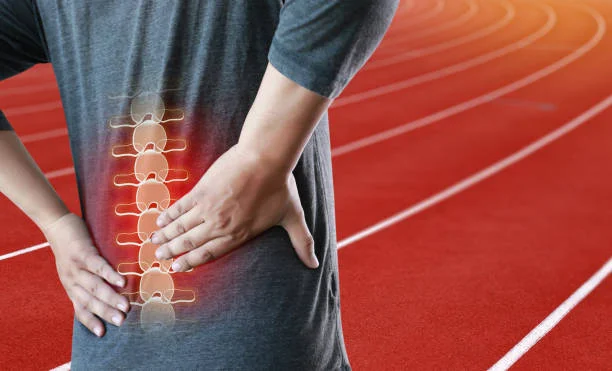
Most people have persistent lower back pain that interferes with daily activities and undermines the quality of life. Awareness of good treatment options allows people to regain their comfort and mobility. There are several methods that can be used to deal with this discomfort, but each has its own set of benefits. These methods pave the way for better help and an improved quality of life.
Recognizing Persistent Pain
Chronic lower back pain typically lasts from weeks to months. While muscle soreness is nothing to worry about, unresolved pain should be cause for concern, as it can indicate more profound issues. You should understand when the suffering persists, as that way you will become indulgent in knowing when you really need assistance. By getting assessed early and choosing a lower back pain treatment plan, you become less likely to face future complications, and recovery is also quicker.
Causes Behind Prolonged Back Pain
There are many reasons for long-term lower back problems. It involves repetitive movements, injuries, poor posture, or underlying health conditions. In some cases, muscle strains and ligament sprains develop from doing the activities of daily living. In some others, the cause could be spinal disc problems or structural irregularities. By identifying the underlying issue, practitioners can suggest appropriate interventions.
Consulting a Healthcare Provider
If someone is experiencing chronic pain, they should seek professional help. Doctors perform extensive tests to pinpoint what is causing pain. A physical examination, imaging tests, or a comprehensive medical history may provide some specific insights. Accurate diagnosis helps with correct treatment, followed by avoiding unnecessary or ineffective interventions.
Physical Therapy and Exercise
The bedrock of recovery is frequently supervised physical therapy. Customized routines are performed by therapists trained to strengthen spine-supporting muscles. Stretching keeps you limber, relieves stiffness, and helps to avoid issues down the road. You can also include some gentle stretching and low-impact activities that will subsequently assist in alleviating pain and improving function.
Medication and Pain Relief Techniques
Some people temporarily need to turn to medication. These pain relievers are over-the-counter medications and help lower inflammation and discomfort. In some instances, providers will offer higher prescriptions or muscle relaxants. Non-medicinal remedies like hot or cold therapy also help relieve it and make life better. These approaches are usually most effective when combined with other interventions.
Lifestyle Changes and Ergonomics
Changing day-to-day practices can have a giant impact. Good posture, ergonomic furniture, and avoiding heavy lifting prevent lower back pain. Keeping a healthy weight lessens stress on spinal elements. Efforts, however small—even moving for a few moments when you have been sitting for a long time—encourage long-term ease and reduce the chances of pain returning.
Alternative Therapies
Others get relief from alternative methods. Some people may find relief from acupuncture, massage, or chiropractic adjustments. These modalities emphasize circulation and relaxation. Working with a qualified practitioner is the best way to keep safe and achieve maximal benefits.
Mind-Body Practices
Physical health is often a derivative of mental well-being. Exercising mindfulness, meditation, or gentle yoga promotes calm and mitigates stress. Guided imagery and deep breathing can reduce tension and make pain less intense. Mind-body approaches help both emotional and physical healing so they should be included in a treatment program.
Surgical Options
After more traditional treatments do not help—such as medications and rest—only then is surgery considered. These procedures may resolve structural issues that lead to chronic pain. Before suggesting surgery, doctors weigh the benefits and risks. Rehabilitation after surgery helps ensure recovery is more seamless and function is restored.
Preventing Recurrence
Long-term play requires care for oneself. Core strengthening, proper lifting technique, and activity help minimize the potential for future issues. Continuing regular check-ins minimizes the chance of pain coming back if it is identified early, which means the problem can be dealt with more proactively. Regularly practicing healthy habits builds more resilient mechanisms for comfort to reside in.
Conclusion
Treating chronic low back pain involves a multifaceted approach specific to the individual. Relief relies heavily on early intervention, guidance from professionals, and changes in lifestyle. Individual treatment tracks allow people to find what fits. With consistent self-care and transparency with the health professional, the improvement is sustainable, and the quality of life is greatly enriched.