Upgrading a swimming pool can greatly improve the appearance and usability of your outdoor space. A well-planned upgrade can make your pool more comfortable, more durable, and easier to maintain. One of the most important parts of any pool renovation is selecting the right materials.
The materials you choose will affect how the pool looks, how long it lasts, and how much maintenance it will require over time. This is especially true for pool deck surfaces, since they need to handle constant foot traffic, moisture, and changing weather conditions while still looking attractive. Many homeowners choose Decorative Concrete Resurfacing for pool decks because it can refresh worn or outdated surfaces, improve slip resistance, and create a stylish finish that complements the overall pool design. Read on.
Choosing the Right Pool Interior Finish
The interior finish is the surface that covers the inside of the pool. This material is always in contact with water and pool chemicals, so it must be strong and long-lasting. Plaster is one of the most common pool finishes.
Many pools use plaster because it creates a smooth and clean surface. It is usually less expensive than other materials, which makes it a popular option. However, plaster may need to be replaced after several years because it can wear down or become stained.
Pebble finishes are another popular option. This surface is made by mixing small stones with cement. The result is a textured finish that is very durable.
Many homeowners like pebble finishes because they last longer than plaster and come in many different colors. These colors can also change the appearance of the pool water.
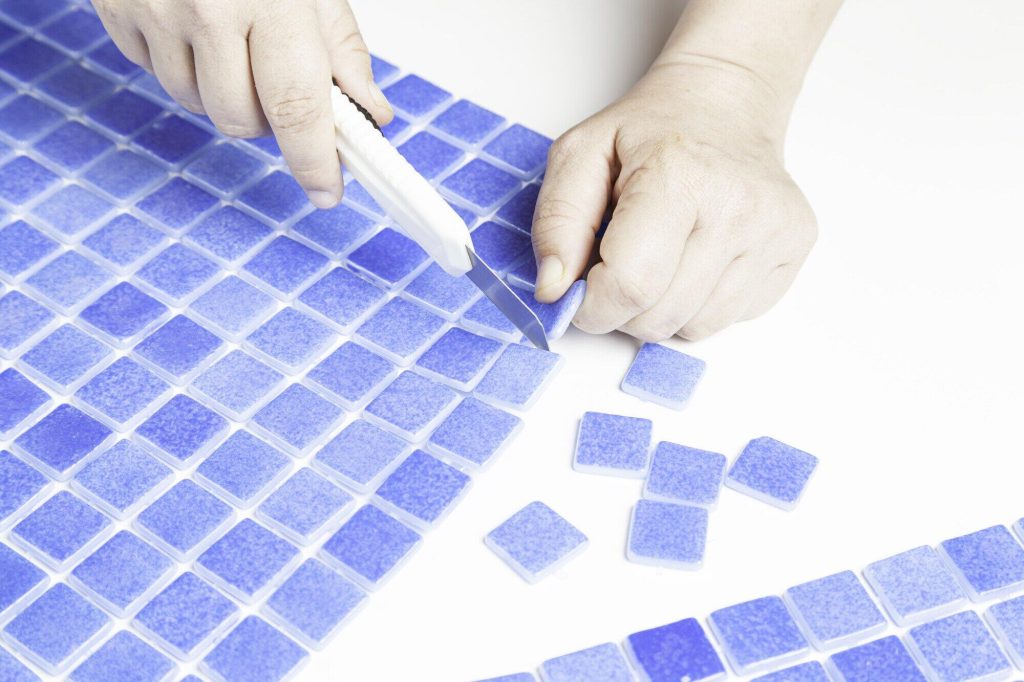
Tile is often used for a more decorative or luxury look. Glass and ceramic tiles can make a pool look elegant and unique. Tiles are also resistant to chemicals and stains. However, installing tile across the entire pool can be expensive.
For this reason, some homeowners use tile only along the waterline or in special design areas. Hiring the right experts for pool remodeling can greatly help you in deciding.
Selecting Materials for the Pool Deck
The pool deck is the surface around the pool. This area should be safe and comfortable because people walk and relax there. It is important to choose materials that are slip-resistant and able to handle water.
Concrete is one of the most common materials used for pool decks. It is strong, durable, and affordable. Concrete can also be stamped or colored to create different styles and patterns. This makes it easy to match the design of the home or backyard.
Natural stone is another attractive option. Materials such as travertine, limestone, and sandstone can give the pool area a natural and elegant look. Many natural stones also stay cooler under the sun, which makes them comfortable for bare feet.
Thinking About Maintenance and Durability
When choosing materials, it is important to think about maintenance. Some materials require more cleaning and care than others. Choosing durable materials can help reduce repair costs in the future.
For example, pebble finishes often last longer than plaster surfaces. Pavers are also a practical choice for pool decks because individual pieces can be replaced if they become damaged. This can make repairs easier and less expensive.
Finding the Right Balance for Your Budget
Budget is another important factor during a pool upgrade. Some materials offer a luxury appearance but come with a higher cost.
It is important to compare options and find materials that provide good value. Many homeowners choose a mix of materials to balance style and cost.
Creating a Pool That Lasts
Choosing the right materials is a key step in a successful pool upgrade. By understanding different options and thinking about durability, maintenance, and budget, homeowners can make better decisions. With the right materials, a pool upgrade can create a beautiful and relaxing outdoor space that lasts for many years.
If you want to read more articles, visit our blog.