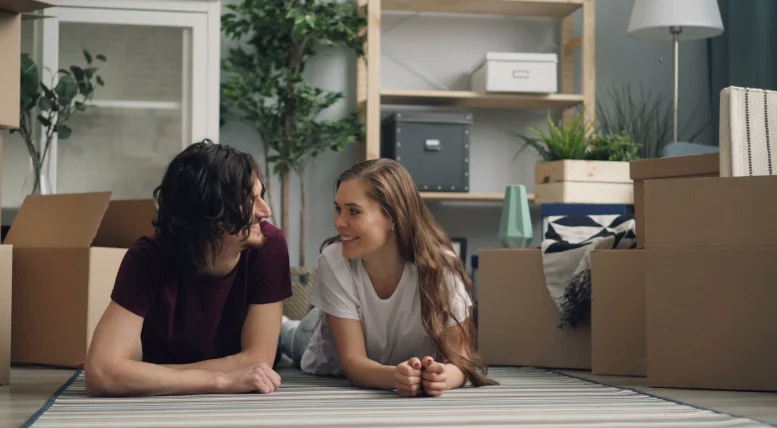
After the wedding ends, many couples face a quiet but real question: how do we make this place feel like our home? It’s easy to fill rooms with furniture and decor, but that doesn’t always create a space that feels personal. Some couples even realize that their home looks nice but doesn’t reflect their story at all. This happens when decisions are rushed or based only on trends. A meaningful home doesn’t come from buying more things. It comes from choosing the right things. When you focus on what matters to both of you, your space starts to feel natural, comfortable, and truly yours.
Let Your Story Shape the Space
Every couple has a story, and your home should reflect it in simple ways. Think about where you met, the places you’ve traveled, or even the small routines you share. These details can guide your choices more than any design trend. For example, a framed photo from your first trip or a piece of art that reminds you of a shared memory can add real meaning. You don’t need to explain every item, but you should feel connected to it. When your space reflects your journey, it becomes more than just a place to live. It turns into something that feels familiar and grounded every day.
Choose Items That Actually Mean Something
It’s easy to buy decor just because it looks good in a store or online. But those pieces often lose their appeal over time. Instead, focus on items that remind you of real moments or people. This could be a gift from a loved one, something you picked up on a trip, or even a simple item tied to a memory. For instance, by working with a wedding bouquet preservation service, you can turn your wedding bouquet into pieces you can display in your home. These items don’t need to be expensive or perfect. What matters is the connection behind them. When you surround yourself with meaningful items, your home feels more personal without trying too hard. Over time, these choices build a space that feels honest and lived-in.
Blending Two Styles Without Conflict
Moving in together often means combining two different styles. One of you may prefer clean and simple spaces, while the other likes bold colors or textures. Instead of choosing one style over the other, look for ways to combine them in a balanced way. Start with neutral basics like furniture, then add personal touches from both sides. This approach helps avoid clashes while still giving each person a voice in the space. Communication matters here. Talk about what you both like and what you can compromise on. A shared home should feel comfortable for both people, not like one person’s design took over everything.
Designing a Home That Works for Daily Life
A well-decorated home should support how you live each day, not slow you down. Before buying anything, think about your routines. Where do you relax after work? Where do you need storage? These questions help you choose pieces that serve a purpose. For example, a sturdy coffee table with storage can reduce clutter, while good lighting can improve comfort in the evening. Avoid filling your home with items that look nice but don’t add value to your daily life. When function comes first, style follows more naturally. A home that works well will always feel better than one that only looks good in photos.
Deciding What Deserves a Permanent Spot
Not everything needs to stay on display all the time. Choosing what deserves a permanent place can help your home feel more organized and less overwhelming. Start by identifying items you use often or those that hold strong personal value. These are the pieces that should stay visible. Items with less meaning or function can be stored and rotated later if needed. This keeps your space feeling fresh without constant buying. It also prevents clutter from building up over time. Be honest about what truly matters to you both. When every visible item has a reason to be there, your home feels more intentional and easier to manage.
Using Trends Without Losing Your Identity
Trends can offer useful ideas, but they shouldn’t control how your home looks. Many popular styles change quickly, which can make your space feel outdated sooner than expected. Instead of following trends fully, choose elements that match your taste and daily life. For example, you might like a color or material from a trend, but you can use it in a way that fits your space. This keeps your home current without making it feel temporary. Focus on what feels right to you as a couple. A home that reflects your preferences will stay relevant longer than one based only on what’s popular.
Letting Your Home Grow With Your Life
Your home should change as your life changes. As you create new memories, your space can reflect those moments. This might mean adding new items, rearranging furniture, or updating certain areas over time. There is no need to keep everything the same. Growth is a natural part of building a life together. Keep what still feels meaningful and let go of what no longer fits. This approach keeps your home feeling fresh without constant buying. It also helps you stay connected to your space. A home that grows with you will always feel more real and comfortable than one that stays fixed.
Creating a home as newlyweds is not about filling every space or following a perfect plan. It’s about making choices that reflect your life together. When you focus on meaning, your home starts to feel more comfortable and personal. Small decisions, like choosing items with real value or taking time before buying, can make a big difference. You don’t need everything to come together at once. Let your space develop over time and stay open to change. A thoughtful approach will help you build a home that feels honest, practical, and connected to your shared experience every day.
Master the next step: Read our specialized guide on this topic at 2A Magazine.