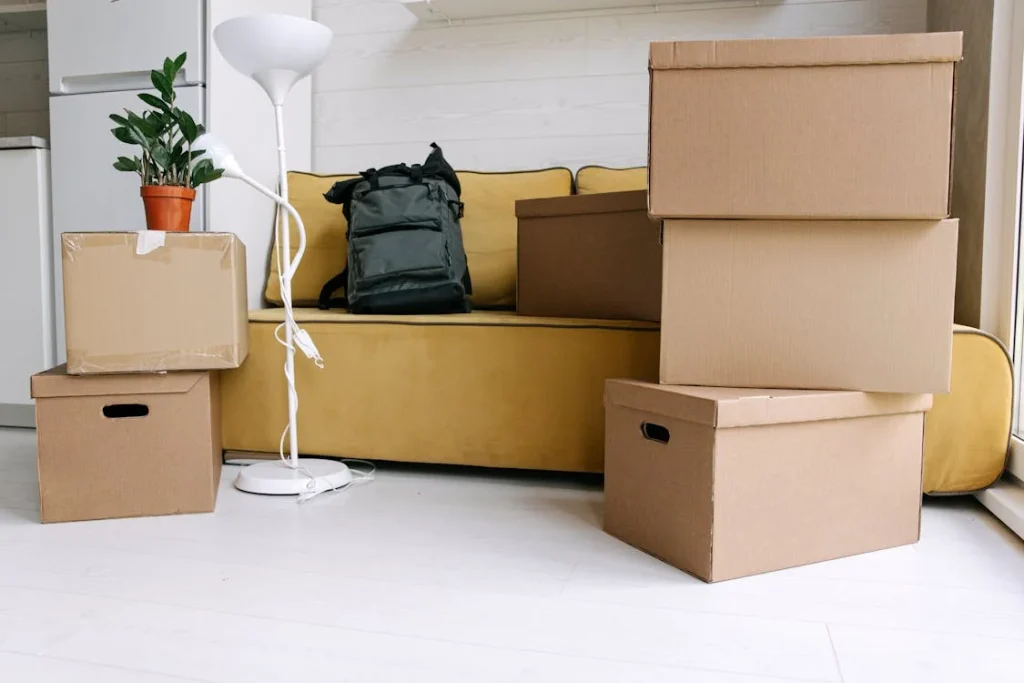
Managing a move is already a demanding process, but adding home upgrades or renovations to the mix creates a whole new level of complexity. You are not just coordinating boxes and timelines. You are also protecting new investments, such as flooring, paint, and fixtures, while ensuring everything happens in the right order. Without a clear plan, delays and damage can quickly turn an exciting transition into a stressful experience Homes During Upgrades.
This challenge is especially common in fast-growing areas like Austin, where homeowners often upgrade or renovate before settling into a new space. With tight schedules and overlapping timelines, it becomes essential to think beyond basic moving logistics. A smooth transition depends on timing, organization, and having the right support to manage both the move and the improvements effectively.
The Overlap Strategy: Timing Your Move Around Renovations
Coordinating your move with renovation timelines requires careful planning from the start. You need to align closing dates, contractor schedules, and move-in windows so they work together instead of against each other. Even small construction delays can affect your entire moving plan, which is why building in extra time is always a smart move.
This level of coordination can feel overwhelming without the right support, especially when multiple timelines need to align, and there is little room for error. Many homeowners find that having experienced help makes it easier to stay organized and avoid costly delays. Look up Mountain Movers Austin to connect with a team of movers that specializes in keeping schedules on track and handling your belongings with care during tight transitions Homes During Upgrades.
Protecting Your Progress: Safeguarding Newly Renovated Spaces
Once renovations are complete, the last thing you want is accidental damage during the move. Fresh paint, new flooring, and updated fixtures can be easily scratched or marked if proper precautions are not taken. Preparing your space in advance helps reduce these risks and keeps your upgrades looking as intended.
Simple steps like using floor coverings, padding furniture, and planning clear pathways can make a big difference. It also helps to decide where large items will go before moving day. This reduces unnecessary shifting and limits exposure to damage, especially in high-traffic areas.
Decluttering for a Fresh Start: Blending Moving with Design Goals
A move paired with home upgrades offers the perfect opportunity to rethink what you bring into your space. Instead of packing everything, take time to sort through your belongings and decide what truly fits your updated home. This approach helps create a more intentional and organized living environment from day one Homes During Upgrades.
Decluttering also makes packing and unpacking far more efficient. When you only move items you actually need, it becomes easier to match them with your new layout and design plans. This not only saves time but also helps you settle in faster without feeling overwhelmed by unnecessary clutter.
The Logistics of Staged Moving: Managing Partial Moves and Storage
When renovations are still underway, moving everything at once may not be practical. A staged move allows you to bring in items gradually as areas of the home become ready. This approach keeps your belongings safe while giving contractors the space they need to finish their work efficiently.
Short-term storage can play a key role here. It gives you the flexibility to hold furniture and boxes until the right moment. Prioritize essentials for early delivery and delay non-urgent items.
Essential Utility & Service Transfers: Preparing for Day-One Living
Before moving in, make sure all essential services are scheduled and confirmed. Electricity, water, internet, and trash services should be active before you arrive. Overlooking these details can create unnecessary frustration, especially when you are already managing a move and final upgrades.
It also helps to handle address updates and service transfers in advance. Notify banks, subscriptions, and delivery services early. Taking care of these tasks in advance ensures your new home is fully functional and avoids disruptions during your first few days.
Survival Kits: Staying Organized During the Transition
When your belongings are split between locations, having quick access to essentials becomes critical. A well-prepared survival kit should include clothing, toiletries, important documents, chargers, and basic kitchen items. Keeping these items separate ensures you do not have to search through boxes when you need something urgently.
Clear labeling also makes a difference. Mark these items so they are easy to identify and transport with you instead of the moving truck. This simple step helps you stay comfortable and organized, even if the rest of your belongings arrive later.
Moving Forward with Confidence
A smooth transition during home upgrades comes down to planning, timing, and attention to detail. Coordinating schedules, protecting finished spaces, and organizing your move in stages all help reduce stress and prevent costly mistakes. Each step plays a role in keeping your transition efficient and controlled.
With the right preparation and reliable support, you can move into your upgraded home without setbacks. Instead of dealing with confusion or damage, you start fresh in a space that is ready for daily life. That sense of readiness makes all the effort worthwhile Homes During Upgrades.
Hungry for more? Sink your teeth into the full story here at 2A Magazine.