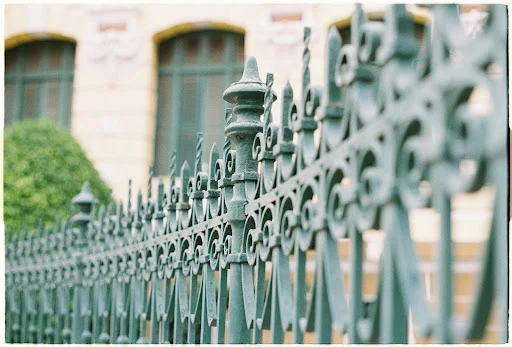
Defining boundaries involves more than just separating two spaces. Modern urban design looks at how we mark limits without cutting off the pulse of a city. These structures serve as the skin of our neighborhoods, holding things together while allowing for movement. When we think about city limits, we often imagine walls that block sight and sound Boundary Design.
Smart design changes that involve turning a barrier into a meeting point. It is about creating a sense of place that feels open yet secure. Cities today need to balance these needs to keep residents safe and connected. Finding that balance is the real secret to a functional community.
The Evolution of Urban Barriers
The way we build borders has shifted from simple protection to complex integration. Old styles used heavy materials that made streets feel closed off and cold. Today, designers use lighter materials and clever layouts to make spaces feel inviting. These modern limits help define where a property ends and the public space starts. When a project requires a professional fence installation from Fence Direct Florida or another company, it must fit the local context. Proper placement ensures that the structure supports the flow of the neighborhood rather than stopping it. Designers now look at how a fence reflects the light or follows the curve of a path. This attention to detail keeps the street looking unified and polished.
Managing Access and Right-of-Way
Large infrastructure projects often have strict rules about where a boundary can sit. State guidelines for roads and highways dictate how far a barrier can go before it must stop. One state manual explains that fences along access limits should end where the state right-of-way meets the crossing path. This prevents a clash between different types of property and keeps traffic moving.
Keeping these lines clear helps prevent legal issues and confusion for builders. It also makes sure that maintenance crews can reach the areas they need to fix. Clear markers tell people where they are allowed to go without the need for ugly signs. Using the right height and material can make these rules feel natural.
Connectivity and the Environment
Building a barrier impacts more than just the people living nearby. It can change how local wildlife moves through a suburban area or a park. Research shows that adding fences and road structures significantly changes how connected a landscape feels for different species. If a barrier is too solid, it acts like a dead end for nature.
- Use open slat designs to allow small animals to pass through.
- Choose colors that match the local trees and soil.
- Incorporate plants or hedges to soften the look of hard metal or wood.
Creating gaps or using specific materials can help fix these problems. Some neighborhoods now use “living walls” made of shrubs and wire. This keeps the area secure while letting air and life move through freely. It turns a standard fence into a part of the local ecosystem.
Materials for Modern Borders
The choice of material says a lot about the intent of a boundary. Steel and iron suggest strength and a classic look that lasts for decades. Vinyl and composite materials offer a clean finish that requires very little work to keep up. Each choice affects how a passerby feels when they walk next to the property.
In high-traffic areas, durability is the most important factor. Fences need to stand up to weather, car exhaust, and daily wear. Choosing a high-quality material means the boundary will not look ragged after a few years. A well-maintained border keeps property values high for the entire street.
Smart Technology in Boundary Design
We are entering an era where boundaries are not always made of wood or stone. Virtual fences and sensors are becoming common in modern cities to manage crowds and traffic. This tech allows for “soft” boundaries that change based on the time of day. A park might be open to everyone in the morning but restricted at night via digital alerts.
This shift helps cities stay flexible as their populations grow. Instead of building more walls, planners can use data to guide how people move. It creates a safer environment without making the city look like a fortress. These invisible lines are the future of how we define our personal and public spaces.
Psychological Comfort and Security
A good boundary makes people feel safe without making them feel trapped. Psychologists have found that seeing through a fence can reduce stress in urban settings. If you can see the street from your yard, you feel more connected to your neighbors. This “eyes on the street” concept is a major part of modern safety planning Boundary Design.
Low fences or transparent panels allow for this visual link. It discourages crime because there are fewer places to hide. It also encourages people to talk to each other over the garden gate. This simple design choice can turn a row of houses into a real community.
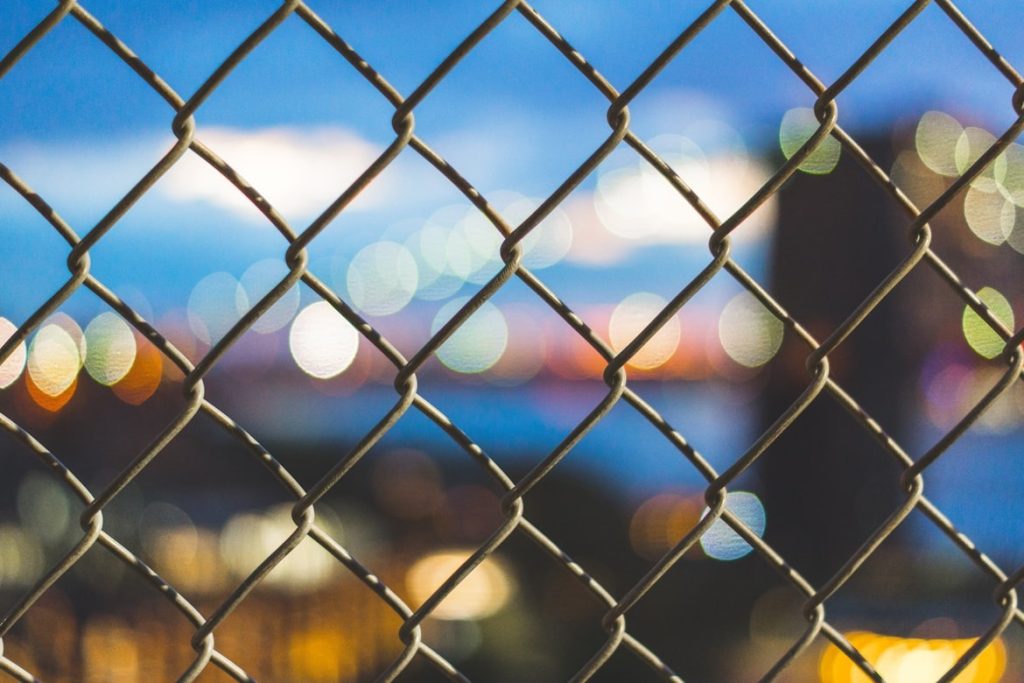
Urban connectivity relies on the smart use of space. We define our world by the lines we draw, but those lines do not have to be walls. By choosing the right materials and following local rules, we can build a city that feels whole. A boundary can be a bridge if we design it with the right mindset. Focus on how a structure fits into the life of the street. $3 spent on better materials now saves much more in the long run. Good design makes every limit a new opportunity for growth.
Don’t stop now—the best secrets are just a click away at 2A Magazine.