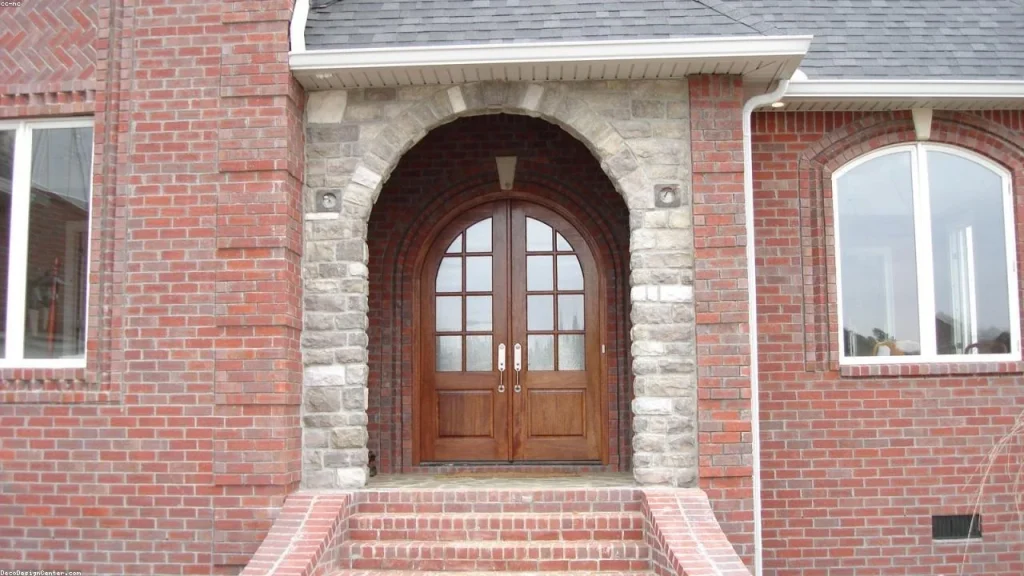
When combining strong visual character with robust weatherproofing and lasting durability, external panel doors represent one of the most reliable and time-proven choices available for any residential property entrance.
Panel doors have served as the principal entrance to British homes for several centuries, and their continued popularity is rooted in both aesthetics and function. The structural frame-and-panel construction creates a door that is inherently strong and resistant to racking and distortion, which is particularly important in an external door that must withstand the forces of wind, temperature change, and regular use throughout its working life.
The visual depth created by raised or recessed panels gives external panel doors an architectural quality that a flat, flush door cannot match, creating a sense of craftsmanship and quality at the property’s entrance. Whether in a traditional timber construction, a modern composite form, or a painted GRP skin replicating traditional timber profiles, panel doors remain a defining feature of residential streetscapes across the country.
Materials Available for External Panel Doors
External panel doors are manufactured in a range of materials, each suited to different performance requirements, budgets, and aesthetic preferences. Solid hardwood panel doors, typically constructed from oak, meranti, or engineered accoya, offer the most authentic, natural appearance and can be refinished and repainted multiple times over a long service life.
Softwood panel doors offer a more affordable entry point and are suitable for sheltered or covered doorways where direct exposure to heavy rain and driving weather is limited. Composite panel doors replicate the visual appearance of traditional panel designs using a glass-reinforced plastic skin over a high-density foam core, combining the aesthetic of a traditional door with exceptional thermal performance and a virtually maintenance-free exterior surface.
Weatherproofing and Thermal Performance
The primary functional requirement of any external door is to prevent water, wind, and cold air from entering the property; therefore, the quality of the weatherproofing in an external panel door is a critical consideration when making a selection. A quality door set will include compression weatherseals around the full perimeter of the door frame, a water-shedding drip bar above the door head, and a robust threshold seal at the base to prevent water ingress even during heavy rain and driving wind conditions.
Thermal performance is increasingly important in modern homes and is measured by the door assembly’s U-value, with lower values indicating better insulation. Composite panel doors typically deliver the best thermal performance among material options. At the same time, solid timber doors can also perform well when fitted with appropriate seals and finished with a high-quality paint or preservative coating.
Security Features of External Panel Doors
An external panel door is the primary security barrier between the outside world and the home’s interior, and selecting a door with appropriate security features is an essential part of any external door specification. Modern external panel door sets are typically supplied with multipoint locking systems that engage at three or five points along the door frame when the key is turned, providing significantly greater resistance to forced entry than a single-point lock arrangement.
The timber or composite panels within the door should be of sufficient thickness and density to resist impact, and any glazed elements should be specified in toughened or laminated safety glass to prevent breakage from being used as a method of entry. Checking that any external door you are considering meets or exceeds the requirements of your home insurance policy and the relevant British Standards for security performance is always advisable before making a final purchase decision.
Choosing a Style to Complement Your Property
The style of external panel door you choose should relate sympathetically to your property’s architectural character and period to create a cohesive, considered appearance from the street. Georgian and Regency-period homes traditionally feature four or six-panel doors in painted softwood or hardwood, often with a simple arched or rectangular fanlight window above.
Victorian and Edwardian properties typically suit four-panel or two-over-two panel designs with decorative moulded profiles and period-appropriate glazed upper panels. Contemporary homes offer greater scope for creative interpretation, with flush-panel designs in dark powder-coated aluminium, wide-format glazed panels in composite frames, and bold colour choices, all providing a modern and confident exterior statement. Selecting the appropriate colour, hardware finish, and complementary canopy or porch detail will complete the entrance and maximise the property’s kerb appeal.
Maintaining External Panel Doors for a Long Service Life
The maintenance required to keep external panel doors in good condition depends significantly on the material they are constructed from. Solid timber doors benefit from a thorough inspection at least once a year. They should have their surface coating of paint or preservative stain renewed whenever signs of cracking, peeling, or significant wear become apparent, as exposed timber is vulnerable to moisture penetration, which can lead to swelling, rot, and structural deterioration over time.
Composite panel doors require far less attention and can be kept in good condition with periodic cleaning using a soft cloth and a mild detergent solution. Regardless of the door material, checking and lubricating the multipoint lock mechanism, hinges, and threshold seal annually will ensure the door continues to operate smoothly and maintain its weatherproofing performance throughout its working life.
Don’t stop here—unlock our full library of expert resources at 2A Magazine.