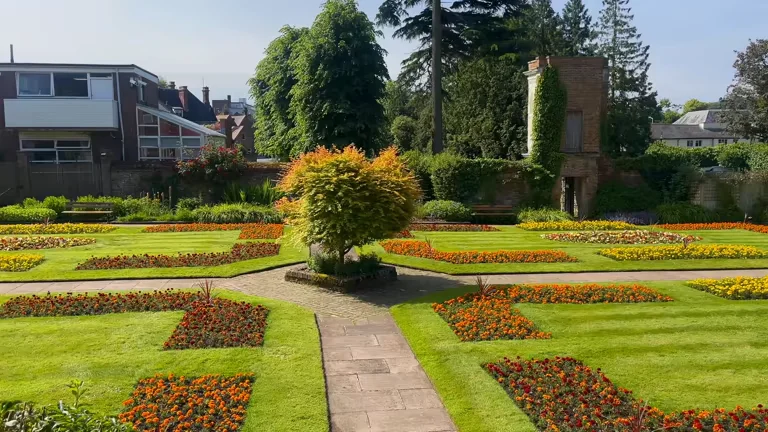
For weeks, you’ve been admiring that garden across the street that somehow looks effortlessly brilliant, with wildflowers where the boring grass used to be and bees everywhere.
You assumed your neighbour had more time, more money, or some secret they weren’t sharing. But in reality, they’ve just caught on to what’s trending in 2026.
Here’s everything they know, so you can stop eyeing their garden from the pavement and start transforming your own space.
Using Homemade Compost
If your garden is struggling, the problem usually isn’t what’s on top; it’s what’s happening underneath.
Composting might not be the most glamorous part of the process, but neither is replacing the same struggling lavender for the third time.
What used to be the thing your eco-conscious uncle wouldn’t stop talking about has gone mainstream, and for good reason.
Whether it’s kitchen scraps, garden clippings, or cardboard, all of it gets a second life as rich, free compost that makes store-bought bags look embarrassing by comparison.
Pair that with a simple rain barrel beneath a drainpipe, and you’ll cut your water bill and carbon footprint before you’ve planted a single thing.
Letting Your Lawn Go a Bit Wild
Once you’ve sorted your soil, you can stop treating your lawn like a full-time project.
The perfectly striped, chemically bullied bowling green is on its way out. In its place, you’ll see longer grass, a scattering of wildflowers, and the occasional clover patch that bees treat like it’s just opened for business.
Clover, in particular, fixes nitrogen naturally, stays green during dry spells, and needs mowing far less often. So, it’s a great addition to your outdoor space if you don’t have enough time for constant maintenance.
The ‘No Mow May’ movement kick-started this, but plenty of gardeners have kept going through June, July, and beyond.
Some now mow just once a month, cutting neat paths through the longer sections for that ‘intentional meadow’ look.
Planting for Wildlife, Not Just for Looks
With your lawn under control, the next step is thinking about what else might want to live in your yard.
Bird feeders, bee hotels made from untreated wood, and patches of native flowering plants can turn an ordinary garden into one that actually buzzes with life.
You’ll start spotting different bees, hearing more birds, and wondering when your outdoor space became the local meeting spot.
Native specimens do most of the work here. They’ve evolved alongside British wildlife, so they support pollinators far better than most imported ornamentals.
They also tend to be much less demanding, which is helpful if you’d rather not spend your weekends babysitting plants that refuse to cooperate.
Growing Edible Plants
You’ve made space for wildlife, so you might as well get something out of it yourself.
Edible landscaping, which involves blending fruits, vegetables, and herbs into decorative borders, is one of the more satisfying gardening trends in 2026.
A raised bed of strawberries tucked in alongside your flowers, for example, will give your space a pop of colour from late spring onwards. The same goes for herbs dotted around the place; they soften edges, fill gaps, and smell far better than anything purely ornamental.
The appeal is obvious: fresh food, lower shopping bills, and the satisfaction of handing a neighbour a courgette you grew yourself. And it doesn’t need to be a full-scale project, either. A few well-placed pots on a patio still count.
Keeping the Design Simple
With living, edible elements in place, let’s now focus on the structure around them.
Minimalist garden design is having a serious moment, and it’s not hard to see why. Keep the colour palette consistent, stick to clean lines, and add one or two well-chosen focal pieces to create a space that looks effortlessly put together.
It also makes life easier. Fewer plant varieties mean less to keep on top of, so you can actually spend time sitting in your garden instead of constantly crouching in it with a trowel, wondering where the afternoon went.
The trick is choosing the right specimens. Hardy, low-maintenance varieties that look good across multiple seasons are always better than a dozen fussy flowers that throw a strop the moment the weather turns in winter.
Making Your Outdoor Space Liveable
Congratulations—you’ve built a garden worth looking at. Now, it’s time to spend some time in it.
In 2026, your garden isn’t just somewhere you pop out to for the occasional bit of sunshine; it’s an extension of your home.
That usually comes down to a few additions: comfortable seating, a portable fire pit to stretch out cooler evenings, and, if you’ve got the space, a simple setup for cooking or drinks.
Remember, the British weather has a habit of testing your patience, so you need to pick materials that can handle it.
Treated wood and stainless steel will hold up through winter without much fuss. That wicker set you bought in a moment of optimism, on the other hand, might not make it past its second rainy season.
Using Smart Tech to Keep It All Going
None of the above matters much if it falls apart because you went on holiday for two weeks. Luckily, smart garden technology has come a long way.
For example, automatic irrigation systems linked to weather data water your garden only when it needs it, not on a schedule that ignores the fact it’s been raining since Tuesday.
Solar-powered robot mowers are another great addition. They can cut your grass with zero fumes and barely any noise, not to mention that some models can be programmed to leave wildlife zones completely alone.
If you’ve been keeping an eye on garden trends UK homeowners are following, you’ll have noticed that gardening services now offer far more than basic mowing and maintenance.
This includes biodiversity consultations, soil health assessments, and rewilding support alongside the usual packages.
The market has caught up with the movement. And honestly, having a robot tend your garden while you drink tea on your patio feels like a fair trade.
Conclusion
In 2026, the best gardeners aren’t the ones working the hardest; they’re the ones who have successfully outsourced their chores to robots and local wildlife.
By leaning into clover lawns and smart tech, you’ll turn your backyard into a self-sustaining paradise that doesn’t require constant attention to stay green.
So, put your mower on ‘auto,’ pour yourself a drink, and tell anyone who asks that the overgrown patch is a deliberate, high-concept biodiversity statement.