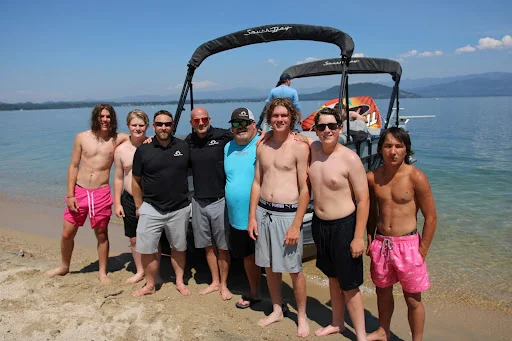
Turning Winds is a residential treatment center and therapeutic boarding school for teenagers ages 13–18, located in Troy, Montana. Founded in 2002, it offers integrated clinical care, accredited academics, and experiential therapy in a wilderness setting. Families from across the United States enroll their teens for stays averaging six to nine months Teen Mental Health.
What Is Turning Winds?
Turning Winds is a co-educational, family-run residential treatment program set on 150 acres along the South Fork of the Yaak River in Troy, Montana. It serves adolescents ages 13 to 18 who are experiencing mental health challenges, including depression, anxiety, trauma, and behavioral concerns.
The program was founded by John Baisden Sr. and Jr. in 2002, following a personal tragedy — the loss of a family member to violent crime. That founding mission — creating a safe, structured environment where teenagers in crisis can heal and reconnect with their families — continues to shape the program today.
Is Turning Winds Accredited?
Yes. Turning Winds maintains accreditation through The Joint Commission, one of the most rigorous healthcare accreditation bodies in the United States. The organization also operates in full compliance with the Montana Department of Public Health and Human Services regulations.
A dedicated compliance team monitors state licensing requirements and national standards, and leadership maintains active relationships with state regulators. In 2025, Turning Winds supported the passage of Montana SB 191, legislation that expands mental health licensing pathways and increases access to residential treatment across the state Teen Mental Health.
How Does the Turning Winds Treatment Program Work?
Turning Winds uses an Integrated Therapeutic Curriculum — a multidisciplinary approach that combines three core elements:
Clinical Treatment: Licensed therapists provide individual, group, and family therapy using evidence-based methods including Cognitive Behavioral Therapy (CBT) and experiential therapy models. The program publishes annual outcomes reports tracking measurable changes in anxiety, depression, and trauma symptoms. The most recent assessment shows statistically significant reductions in both anxiety and depression among participants.
Accredited Academics: The school holds academic accreditation through Cognia and features one-on-one instruction with an average class size of approximately ten students per teacher. The program supports students with IEPs and learning differences. Roughly 98 percent of graduates go on to attend college or trade school, according to program-reported outcomes Teen Mental Health.
Experiential Therapy: The Montana wilderness campus is intentionally designed as a non-clinical environment. Treatment activities include hiking, fly fishing, skiing, rafting, mountain biking, and community service projects. The underlying principle: physical movement and outdoor challenge can unlock breakthroughs that traditional talk therapy alone may not reach.
How Long Is the Program at Turning Winds?
The typical length of stay at Turning Winds is six to nine months. This extended timeframe is intentional — it allows meaningful clinical progress and academic recovery to take root before a student returns home. Aftercare planning and alumni engagement are treated as core components of treatment, not optional add-ons.
Does Turning Winds Involve Families?
Yes — family participation is required, not optional. Parents are expected to engage in:
- Weekly family therapy sessions
- Clinical assignments and workshops
- On-campus visits designed to practice real-world family dynamics before discharge
Turning Winds also offers a parent-led support group and a weekly virtual alumni group that extends support well beyond graduation Teen Mental Health. Alumni frequently return to campus, join the program’s podcast, and in some cases join the staff.
Does Turning Winds Accept Insurance?
Turning Winds has established in-network contracts and certification with major insurance providers, including:
- TriCare
- Allegiance
- Pacific Source
- First Choice Health Network
By contracting directly with insurance providers, the organization aims to reduce out-of-pocket costs for families and expand access to care. Families from across the United States enroll their teenagers at the Montana campus as a result of this expanded insurance coverage.
What Makes Turning Winds Different from Other Teen Treatment Programs?
Several factors distinguish Turning Winds from other residential programs:
Longevity: Most comparable programs have closed. Turning Winds has operated continuously for almost 25 years — a significant indicator of regulatory compliance, financial stability, and sustained positive outcomes.
Outcomes Tracking: The program publishes annual clinical outcome data tracking depression, anxiety, and trauma scores. Internal KPIs also include length of stay, academic credit recovery, and successful placement after discharge.
Emerging Treatments: Turning Winds is exploring Transcranial Magnetic Stimulation (TMS) for treatment-resistant depression. Early research suggests TMS can significantly reduce depressive symptoms and relapse rates in both adolescents and adults. Leadership views it as a potential complement to the existing therapeutic framework.
Staffing Philosophy: Staff are recruited as professionals committed to the field as a vocation, not a temporary job. Residential advisors — who work most closely with teens in crisis — receive extensive ongoing training. Benefits include 401(k) matching up to 6%, profit sharing, 100% employer-paid medical and dental coverage for employees, and structured PTO Teen Mental Health.
Is Turning Winds Safe? How Does It Respond to Industry Criticism?
The residential treatment industry for adolescents has faced broad public and media scrutiny, including a recent documentary that intensified examination of the sector. Turning Winds acknowledges this context directly.
The organization’s response centers on transparency: accreditation, published outcome data, and open campus visits. Leadership frequently encourages families considering the program to visit in person — multiple times if needed. Their position is that a program’s culture cannot be fabricated during a tour, and that 20+ years of continuous operation speaks for itself.
Frequently Asked Questions About Turning Winds
Where is Turning Winds located? Turning Winds is located in Troy, Montana, on 150 acres along the South Fork of the Yaak River.
What ages does Turning Winds serve? The program serves teenagers ages 13 to 18.
How long does treatment last? The typical stay is six to nine months.
Does Turning Winds accept insurance? Yes. The program is in-network and/or certified with TriCare, Allegiance, Pacific Source and First Choice Health Network. In addition, Turning Winds works with most other payers as an out of network provider as well.
Is Turning Winds accredited? Yes. It is accredited by The Joint Commission and licensed by the Montana Department of Public Health and Human Services.
What kind of therapy does Turning Winds use? The program uses Cognitive Behavioral Therapy, experiential therapy, and family therapy, integrated with outdoor activities in a wilderness setting.
Can parents visit during treatment? Yes. On-campus visits are part of the structured family involvement model.
Contact us online for more information, or call us at 800-845-1380. If your call isn’t answered personally, one of us will get back to you as soon as possible. If your teenager is in crisis, contact the 988 Suicide and Crisis Lifeline by calling or texting 988.
Don’t stop now—uncover more industry secrets in our vault at 2A Magazine.