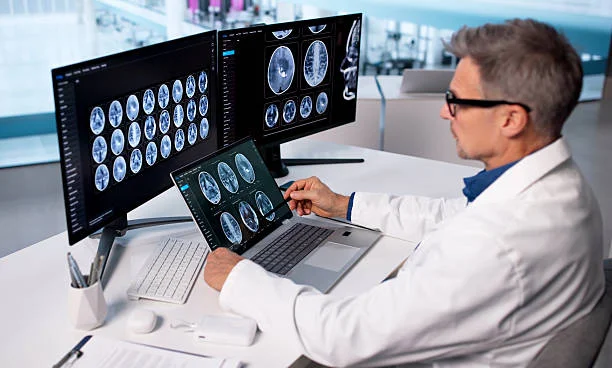
Usually, a diagnosis is the key to effective treatment, and modern healthcare is completely dependent on it. Early detection and guiding therapy are the steps where imaging and intervention have an invaluable role, which we as professionals cannot afford to neglect interventional specialists. With their experience and tools, they help medical teams comprehend conditions instantaneously and accurately, which in turn results in better patient outcomes.
The Imaging Professionals: How do we diagnose?
Imaging specialists use sophisticated methods to produce images of organs inside the body. Such images help health care providers detect problems that may not be evident by physical examinations. Through interpretation of these images, specialists assist the physician in either verifying or excluding the suspected disease. Choosing Imaging and Interventional Specialists ensures solutions that balance innovation, safety, and long‑term health benefits
Technologies Utilized by Imaging Experts
Some of the tools we use as radiologists are magnetic resonance imaging, computed tomography, and ultrasound. All technologies provide information from different aspects of organs, tissues, and bones. These methods provide a noninvasive means of seeing internal issues and minimizing exploratory procedures.
Benefits of High-Quality Imaging
The images that are clearer and more precise are leading to faster recognition of the diseases. If patients are diagnosed early, they are treated quickly, increasing their chances of recovery. Having the fine details helps plan for surgeries and track progress in treatment courses.
Interventional Specialists and Their Contribution
Interventional professionals perform minimally invasive procedures guided by imaging. Because they enter internal areas using small cuts, patients experience less pain and quicker recovery times. They are essential for biopsies, draining fluids, or treating problems related to blood vessels.
Minimally Invasive Techniques Explained
Angioplasties, as well as image-guided tumor ablation, are procedures that reduce the trauma to the body. Patients benefit from fewer complications and shorter hospital stays, with incisions being smaller. They also allow for targeting solely on affected tissues while leaving healthy areas intact.
Improving Safety and Comfort
Interventions done with image guidance reduce the risks of traditional surgery. Fewer major incisions reduce the risk of infection and pain in patients. It also leads to a lot of convenience since several treatments can now be on an outpatient basis.
Collaboration Between Specialists and Physicians
Imaging and interventional teams interact and collaborate with other healthcare providers. They share their findings and recommendations, review procedures, and provide an interpretation of Results. This collaborative nature ensures that the patients receive the right care at every step of their treatment.
Continuous Advances in Imaging and Procedures
The same goes for technology in this field, which continues to advance. Advanced tools generate crisper images and allow more exact procedures. Such advances underpin future developments in diagnosing and managing patients.
Education and Training for Professionals
Those who practice in these fields undergo extensive training and experience. Ongoing training keeps experts up to date on the latest techniques and safety codes. Their appetite for learning translates to better quality of care for patients.
Supporting Early Detection and Prevention
Better health outcomes more often come from the early diagnosis. Imaging experts assist in diagnosing diseases in the initial stages. Interventional specialists offer options for dealing with problems before they become critical and increase the likelihood of a successful outcome.
Patient-Centered Approach
The imaging and interventional teams both concentrate on the unique needs of every individual. They guide patients through procedures and answer their queries to make them feel informed and relaxed. This emphasis on communication fosters trust and enhances positive healthcare experiences.
A New Era for Medical Imaging and Intervention
With the advancement in technology, imaging and interventional services will become more selective. New developments are set to offer quicker, safer, and more accurate solutions for the diagnosis and treatment of disease. Thanks to the dedication of these professionals, patient care will continue improving.
Conclusion
Imaging and interventional specialists are indispensable pillars of contemporary medicine. Their skills aid in a proper diagnosis, provide direction for effective treatment, and improve patient comfort. With its tools and techniques maturing, healthcare will have faster, safer, and more reliable ways of finding and addressing diseases and disorders. These teams work closely with other providers to guarantee that each patient receives appropriate care at every stage of their treatment.
Ready for more? Journey through our most popular archives today at 2A Magazine.