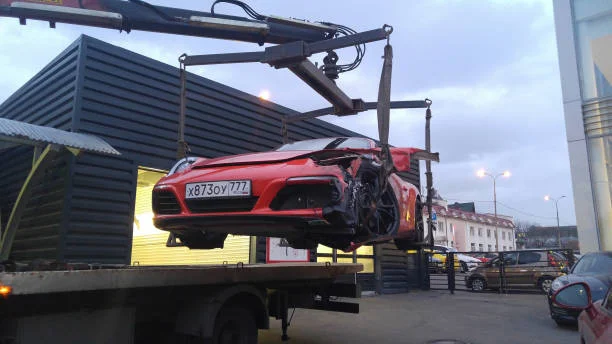
When buying a used car, safety should always be a top priority. While price, mileage, and appearance are important, ensuring the vehicle is equipped with essential safety features can protect drivers and passengers on the road. Used cars can offer great value Check in Used Cars, but older models may lack modern safety technologies or have worn components that compromise performance.
For those shopping in New Mexico, visiting used car dealers Rio Rancho provides access to inspected vehicles and expert guidance, helping buyers find used cars that are both reliable and safe. This article highlights five crucial safety features every buyer should check when considering a used vehicle, ensuring peace of mind and long-term protection.
Airbags
Airbags are a fundamental safety feature that can prevent serious injuries during collisions. Modern vehicles often include multiple airbags, providing protection for the driver, front passenger, and sometimes rear passengers.
Types of Airbags
- Front Airbags: Protect the head and chest in frontal collisions.
- Side-Impact Airbags: Deploy from the side of the seat or door to protect the torso in side collisions.
- Curtain Airbags: Extend along the roofline to protect passengers’ heads during side impacts or rollovers.
What Buyers Should Check
- Deployment History: Ensure the vehicle hasn’t had airbags deployed previously unless they have been professionally replaced.
- Airbag Warning Light: Check that the airbag indicator on the dashboard functions properly and isn’t illuminated.
- Manufacturer Recalls: Verify if the vehicle has any unresolved airbag recalls, such as the Takata airbag recalls, which affected many models.
Properly functioning airbags are essential for crash protection Check in Used Cars, making them a top priority for any used car purchase.
Anti-Lock Braking System (ABS)
ABS is a key feature that prevents wheels from locking during hard braking, helping the driver maintain steering control. This system is especially valuable in wet or slippery conditions, reducing the risk of skidding and collisions.
How ABS Works
ABS uses sensors to monitor wheel speed and modulates brake pressure during emergency stops. This allows the driver to steer while braking and avoids uncontrolled sliding.
What Buyers Should Check
- Warning Lights: Ensure the ABS light turns on when starting the vehicle and goes off shortly after. A constantly lit ABS light may indicate a malfunction.
- Brake Fluid and Sensors: Inspect for leaks or damaged wiring, as these can impair ABS function.
- Test Braking Performance: A controlled test in a safe area can help determine if the system engages correctly.
Vehicles with a reliable ABS system improve stopping safety and reduce accident risks, making it a critical feature to verify in a used car.
Electronic Stability Control (ESC)
ESC is a safety technology that helps prevent skidding or loss of control during sudden maneuvers. It automatically applies brakes to individual wheels and adjusts engine power to maintain vehicle stability.
Importance of ESC
ESC has been credited with reducing single-vehicle crashes and rollover accidents. It is particularly beneficial in adverse weather conditions, such as rain, snow, or ice.
What Buyers Should Check
- Functionality: Ensure the ESC system warning light operates correctly when the car is started and turns off after self-check.
- Vehicle History: Verify the vehicle hasn’t suffered damage that could affect wheel sensors or ESC functionality.
- Service Records: Check for any repairs or modifications that could compromise the system.
A functioning ESC system enhances safety by helping drivers maintain control in emergency situations, making it a must-check feature in any used car.
Tire Condition and Pressure Monitoring Systems (TPMS)
Tires are the only part of the vehicle that contacts the road, making their condition critical to safety. Proper tire maintenance and monitoring systems reduce the risk of accidents caused by blowouts or poor traction.
Tire Safety Factors
- Tread Depth: Adequate tread depth improves grip on wet or slippery surfaces. Tires with worn tread can increase stopping distance and reduce handling.
- Sidewall Integrity: Inspect for cracks, bulges, or cuts that could lead to sudden tire failure.
- Correct Inflation: Proper tire pressure improves braking, handling, and fuel efficiency.
Tire Pressure Monitoring System
Modern vehicles often include TPMS, which alerts drivers when tire pressure falls below safe levels. When checking a used car:
- Ensure the TPMS light functions properly during startup.
- Confirm the system triggers alerts when a tire is underinflated.
- Check for recent maintenance, including tire rotations or replacements.
Healthy tires and a working TPMS contribute to overall vehicle safety and should not be overlooked during a used car inspection.
Seat Belts and Pretensioners
Seat belts are the first line of defense in a collision, restraining passengers and reducing the risk of injury. Modern seat belts often include pretensioners and load limiters for enhanced protection.
Key Features to Verify
- Belt Condition: Inspect for fraying, cuts, or worn areas that could reduce effectiveness.
- Retractor Function: Ensure belts retract smoothly and lock securely during sudden movements.
- Pretensioners: Verify that any pretensioning mechanisms, which tighten the belt in a crash, are functioning correctly.
Seat belts are critical safety features that work in tandem with airbags, and verifying their condition is essential for driver and passenger protection.
Bonus: Additional Safety Considerations
While the five features above are fundamental, several additional factors can further enhance a used car’s safety profile:
- Child Safety Features: Check for LATCH anchors and child seat compatibility.
- Lights and Visibility: Ensure headlights, taillights, brake lights, and turn signals work correctly. Proper visibility systems reduce accident risk.
- Windshield and Wipers: Functional wipers and intact windshields improve visibility in adverse weather conditions.
- Crumple Zones and Body Integrity: Look for signs of previous collisions that could compromise structural safety.
These supplemental checks help provide a comprehensive assessment of a used car’s safety.
Conclusion
When purchasing a used car, evaluating safety features is just as important as checking mileage, appearance, or price. Airbags, ABS, ESC, tires and TPMS, and seat belts with pretensioners are critical features that contribute to overall vehicle safety and protection. Ensuring that these systems are functional and in good condition reduces the risk of accidents and improves driver confidence on the road.
Don’t stop at the surface. The real gold is buried one click deeper at 2A Magazine.