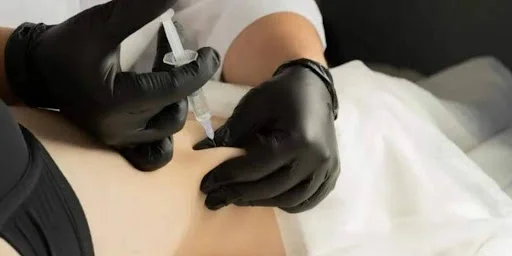
Joint pain can turn even the simplest daily movements into a challenge. Whether it’s your shoulder, knee, or hip, ongoing discomfort can affect your daily routine and quality of life. When conservative treatments like rest or medication don’t provide enough relief, injections are often recommended.
But not all injections are the same. Understanding the difference between a bursa vs tendon injection is essential to choosing the right treatment for your condition. Each targets a different structure in the body and is designed to address specific types of pain.
What Are Bursa and Tendons?
Before comparing treatments, it’s important to understand the structures involved.
A bursa is a small, fluid-filled sac that helps reduce friction between bones, muscles, and tendons, allowing smooth movement. It acts like a cushion, especially around joints such as the shoulder, hip, and knee. When a bursa becomes inflamed, it leads to a condition known as bursitis.
A tendon, on the other hand, is a thick band of tissue that connects muscle to bone. Tendons help control movement and stability. When they become irritated or damaged, it can result in tendonitis or tendinopathy.
Because these structures serve different functions, the type of injection used must match the source of pain.
What Is a Bursa Injection?
A bursa injection is a type of joint pain injection treatment that targets inflammation within a bursa. It typically involves a corticosteroid injection for joints, often combined with a local anesthetic.
This treatment is designed to reduce swelling and relieve pain caused by bursitis.
When Is It Recommended?
Bursa injections are commonly used for:
- Shoulder bursitis
- Hip bursitis
- Knee bursitis
Patients often experience pain when moving the joint or applying pressure to the affected area. The goal of the injection is to calm inflammation and restore smoother movement.
What Is a Tendon Injection?
A tendon injection targets inflammation or degeneration within a tendon. Depending on the condition, it may include corticosteroids or other regenerative therapies.
Unlike bursa injections, tendon treatments must be used more carefully. Direct steroid injections into certain tendons can weaken the tissue if not done properly. That’s why these procedures are typically guided by imaging for accuracy.
Tendon injections are often recommended for conditions like:
- Tennis elbow
- Achilles tendon pain
- Rotator cuff issues
These treatments aim to reduce pain and support healing in the affected tendon.
Bursa vs Tendon Injection: Key Differences
Understanding the difference between bursa vs tendon injection can help you make informed decisions about your care.
The primary difference lies in the target area. Bursa injections focus on reducing inflammation in fluid-filled sacs, while tendon injections address issues within connective tissue.
Another key distinction is how each responds to treatment. Bursa-related pain often improves quickly after a corticosteroid injection, while tendon conditions may require a more gradual approach and sometimes additional therapies.
In terms of safety, both procedures are generally effective when performed by experienced specialists. However, tendon injections require more precision due to the risk of weakening the tendon if improperly administered.
How These Injections Help Relieve Joint Pain
Both types of injections are part of a broader approach to joint pain injection treatment. They work by delivering medication directly to the source of pain, which allows for faster and more targeted relief compared to oral medications.
Benefits of these treatments include:
- Reduced inflammation
- Improved mobility
- Faster recovery time
- Minimal downtime
For many patients, injections provide enough relief to participate in physical therapy or return to normal activities without surgery.
What to Expect During the Procedure
Injection procedures are typically quick and performed in an outpatient setting. The area is cleaned and numbed, and imaging guidance may be used to ensure precise placement.
Most patients experience little to no discomfort during the procedure. Afterward, you may experience mild soreness, but this usually resolves within a day or two.
Relief can begin within a few days, especially with a corticosteroid injection for joints, although the full effect may take up to a week.
Choosing the Right Treatment for Your Condition
Selecting between a bursa vs tendon injection depends on the underlying cause of your pain. A proper diagnosis is essential, which may include a physical exam and imaging studies.
Your healthcare provider will consider:
- Location of pain
- Severity of symptoms
- Underlying condition
- Response to previous treatments
In many cases, injections are combined with other therapies such as physical therapy, stretching, or lifestyle modifications to achieve the best results.
Choosing the Right Injection for Lasting Joint Pain Relief
When it comes to managing joint pain, understanding the difference between bursa vs tendon injection can make a significant impact on your recovery. While both treatments are effective, they are designed for different conditions and must be carefully selected based on the source of pain.
If you’re experiencing persistent joint discomfort, exploring targeted options like joint pain injection treatment can help you find relief without relying on long-term medication or invasive procedures.
Consult a pain specialist to determine the most appropriate treatment and take the next step toward improved mobility and lasting relief.
Frequently Asked Questions
1. What is the difference between a bursa and a tendon injection?
A bursa injection targets inflammation in fluid-filled sacs, while a tendon injection focuses on issues within connective tissue.
2. Are corticosteroid injections safe for joint pain?
Yes, when administered by a trained professional, corticosteroid injections for joints are generally safe and effective.
3. How long does relief from these injections last?
Relief can last from weeks to months, depending on the condition and treatment type.
4. Do these injections cure joint pain permanently?
They help manage symptoms but are often part of a broader treatment plan.
5. Is imaging necessary for these procedures?
In many cases, imaging guidance improves accuracy and effectiveness, especially for tendon injections.