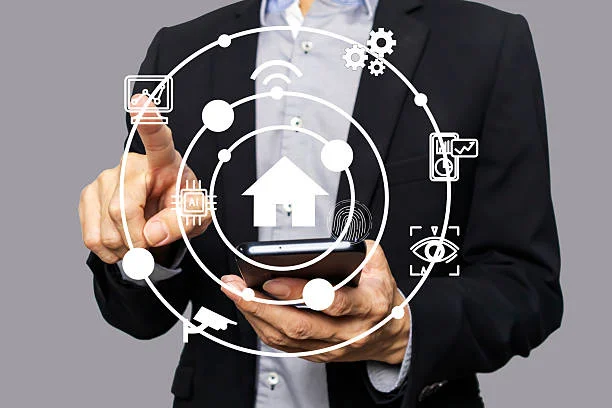
The concept of a smart home has evolved dramatically over the past decade, transforming from a niche luxury into a mainstream necessity for homebuyers. As we move further into 2026, the expectation is no longer just about having internet-enabled appliances or basic voice commands; buyers now prioritize fully integrated systems that enhance security Smart home tech, energy efficiency, and daily convenience. Today’s smart home technology is about creating seamless experiences, where lighting, climate control, entertainment, and security operate in concert to make life not only easier but also more sustainable.
In competitive housing markets like Birmingham, Alabama, properties equipped with advanced smart systems are attracting higher interest and commanding faster sales. Real estate professionals and buyers alike recognize that the homes of the future are intelligent by design, and 2026 marks a turning point where smart technology is an essential consideration in the homebuying process.
Smart Security Systems
Safety and security remain top priorities for homebuyers, and in 2026, smart security systems have reached unprecedented levels of sophistication. Gone are the days of standalone alarms and basic cameras; modern systems integrate AI-driven cameras, motion sensors, smart locks, and real-time alerts that homeowners can monitor from their smartphones anywhere in the world Smart home tech.
Buyers are increasingly drawn to homes that offer automated threat detection, facial recognition for family members, and even emergency response integration. With smart security, peace of mind comes not only from the presence of protective devices but also from their ability to anticipate and prevent incidents. These systems are becoming so integral that even Birmingham top real estate agent listings often highlight security features as a major selling point, reflecting the growing market expectation for fully connected safety solutions.
Energy Efficiency and Climate Control
In 2026, energy-conscious homebuyers are seeking intelligent climate systems that adapt to lifestyle patterns while reducing utility costs. Smart thermostats now offer predictive heating and cooling, learning household habits to optimize temperature without constant manual input. Integration with solar panels, energy storage solutions, and weather forecasts allows these systems to maximize efficiency while minimizing carbon footprints.
For instance, homes can automatically adjust window shading and lighting to reduce energy consumption throughout the day. Beyond cost savings, these systems enhance comfort by maintaining precise temperature control in individual rooms or zones. Forward-thinking buyers are no longer content with standard HVAC systems; energy efficiency and environmental responsibility are now inseparable from modern home appeal.
Voice-Activated and AI-Driven Assistants
Voice-activated assistants have evolved from simple convenience tools to indispensable hubs of home automation. In 2026, AI-driven assistants manage everything from grocery lists to home security, acting as personal coordinators that anticipate needs and simplify routines. They can adjust lighting, play personalized entertainment, schedule maintenance tasks, or even communicate with smart appliances to preheat ovens or start laundry cycles Smart home tech.
Integration with other smart devices creates a central command structure where a single voice command can orchestrate multiple functions simultaneously. For homebuyers, this level of automation represents not only a luxury but also a functional improvement in daily living, making AI-driven assistants a standard feature in newly listed and modernized properties.
Smart Kitchens and Appliances
The kitchen remains the heart of the home, and in 2026, smart appliances are redefining culinary convenience. Refrigerators with inventory tracking, ovens that preheat remotely, and coffee makers that sync with your morning routine are becoming expected amenities. Beyond convenience, these devices offer safety and efficiency features, such as automatic shutoff, usage monitoring, and even integration with health tracking apps to suggest recipes based on dietary goals. Intelligent appliances are increasingly interoperable, allowing them to communicate and respond to user preferences dynamically. For homebuyers, the appeal of a kitchen equipped with the latest smart technology extends beyond novelty; it reflects a lifestyle oriented toward ease, control, and modern living standards.
Home Entertainment and Connectivity
Entertainment has always been central to home appeal, but smart technology has transformed the way it is delivered. In 2026, buyers are looking for fully integrated audiovisual systems, multi-room speakers, and streaming solutions that operate seamlessly across devices. High-speed connectivity is essential, as gaming, remote work, and content streaming require reliable and consistent bandwidth.
Home networks now often include intelligent routers that optimize bandwidth allocation, provide advanced security, and facilitate smooth operation of multiple smart devices simultaneously. Buyers value homes that allow effortless control of lighting, sound, and media through centralized apps or voice commands, demonstrating that connectivity is no longer an afterthought but a cornerstone of modern living.
The Future of Smart Homes in the Real Estate Market
As 2026 progresses, smart home technology is not just an added perk but a differentiator in real estate markets across the country. Buyers are more informed and have higher expectations, and homes that integrate comprehensive smart systems often enjoy quicker sales and higher valuations. Real estate agents are adjusting their strategies accordingly, highlighting technological features in marketing materials and staging homes to showcase the seamless functionality of these systems.
In regions like Birmingham, the influence of smart technology is particularly evident, with properties that offer integrated security, climate control, and connectivity standing out in listings. Homebuyers increasingly rely on guidance from seasoned professionals who understand both the technological aspects and their impact on home value, ensuring they make informed decisions in a competitive environment.
Conclusion
Smart home technology is no longer optional; it is a defining factor in the homebuying process. From sophisticated security systems to AI-driven assistants and energy-efficient appliances, the homes of 2026 are designed to deliver convenience, safety, and sustainability. Buyers who prioritize these features are positioning themselves for long-term satisfaction, while sellers who invest in smart upgrades enhance their market appeal and sales potential.
For those navigating real estate markets in Birmingham, these advancements are particularly impactful, providing modern solutions for homeowners seeking speed, efficiency, and peace of mind. Whether considering resale value, day-to-day comfort Smart home tech, or overall lifestyle improvement, embracing smart technology is essential. For homeowners looking for quick and streamlined options, Birmingham we buy houses companies provide opportunities to move efficiently while accessing the latest in modern home technology, making now the perfect time to explore homes designed for the connected life.
Hand-picked for you: The essential guide for this month at 2A Magazine.