Injury can slow you down and change how you move each day. Pain may make simple tasks feel harder and can affect work, rest, and daily routines. Many people feel frustrated during recovery because they want to return to normal life but are unsure where to begin. Rest alone is often not enough, and the body usually needs guided movement to heal well.
A personalized rehabilitation plan can support safe progress and help rebuild strength and mobility. If you want to learn how structured therapy can support recovery, keep reading to discover how personalized physical rehabilitation can help you heal and move with confidence again.
What Is Personalized Physical Rehabilitation?
Personalized physical rehabilitation is a care plan made just for you. It focuses on your body, your injury, and your goals. No two people heal the same way. That is why a custom plan works better than a general one.
A trained therapist checks your strength, balance, and range of motion. They ask about your pain and daily tasks. Then they build a plan that fits your needs. This plan may change as you improve.
The goal is simple. Help you move better, feel less pain, and get back to normal life.
Why Personal Plans Work Better
Every injury is different. A sprained ankle is not the same as a shoulder tear. Even two people with the same injury may heal at different speeds.
A personal plan looks at your age, health, and lifestyle. If you are an athlete, your plan may include sport drills. If you work at a desk, your plan may focus on posture and back strength.
This kind of care helps avoid setbacks. It also lowers the risk of re-injury. When therapy fits your body, progress often comes faster.
Step One: Careful Assessment
Recovery starts with a full check. Your therapist looks at how you walk, bend, and lift. They test muscle strength and joint movement.
They may ask when the pain began and what makes it worse. Clear answers help them find the root cause. Sometimes the pain is not where the true problem lies.
After this check, they explain your plan in simple steps. You know what to expect and what goals to reach.
Step Two: Targeted Exercises
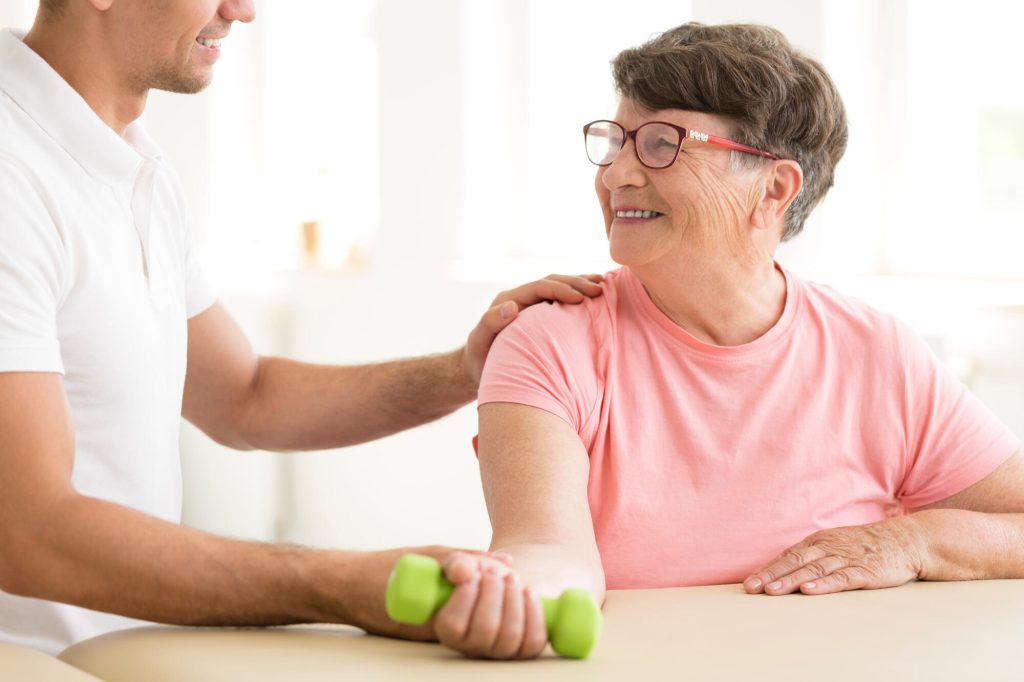
Exercise is a key part of rehabilitation. But not just any exercise will do. Each movement is chosen for your specific injury.
If your knee is weak, you may start with small leg lifts. If your shoulder is stiff, gentle stretches may come first. As you grow stronger, the exercises become harder.
These steps build strength in a safe way. They also improve balance and control. Over time, daily tasks feel easier.
Step Three: Hands-On Therapy
Many plans include hands-on care. This may involve soft tissue massage or guided joint movement. These methods help reduce pain and improve blood flow.
Hands-on therapy can also relax tight muscles. When muscles relax, movement becomes smoother. This makes exercise more effective.
Your therapist will adjust pressure and motion based on your comfort. Clear feedback helps guide each session.
Step Four: Pain Management
Pain can slow recovery. That is why therapists use tools to ease discomfort. Ice, heat, and gentle stretching are common methods.
Some clinics use ultrasound or electrical stimulation. These tools can help reduce swelling and muscle tightness. When pain drops, you can move more freely.
Managing pain does not mean ignoring it. It means treating it in a safe and smart way.
Building Strength and Confidence
As you improve, your plan grows with you. Exercises become more active and close to real life. You may practice climbing stairs, lifting light weights, or short jogs.
These steps build confidence. You see progress with your own eyes. Small wins add up over time.
Your therapist tracks each stage. If something feels too hard, they adjust it. This keeps recovery steady and safe.
Support Beyond the Clinic
Recovery does not stop when you leave the clinic. You may get home exercises to do each day. These simple moves help keep your body strong between visits.
Good posture and safe lifting habits also matter. Your therapist may teach you how to sit, stand, and move in ways that protect your body.
Some people search online for help by typing Physiotherapy Near Me. Finding the right clinic close to home makes it easier to stay on track.
Mental Strength During Recovery
Healing is not only physical. Injury can affect mood and focus. You may feel stress or fear about getting hurt again.
Personalized rehabilitation includes support and encouragement. Therapists celebrate your progress. They remind you how far you have come.
A clear plan helps lower worry. When you know the next step, you feel more in control.
Preventing Future Injuries
One major goal of personalized rehab is prevention. Therapists look at why the injury happened. Was it weak muscles? Poor balance? Bad posture?
They then teach you how to fix those weak spots. Stronger muscles and better form protect your body. Prevention saves time and pain later. It keeps you active and healthy for years to come.
Additionally, therapists may provide lifestyle advice, stretching routines, and ergonomic tips to reduce strain. Learning proper movement patterns and strengthening supporting muscles helps avoid future injuries and supports long-term overall wellness.
Who Can Benefit?
Personalized physical rehabilitation helps many people. Athletes use it after sports injuries. Older adults use it after surgery or falls.
It also helps people with back pain, joint pain, or muscle strain. Even small injuries can improve faster with guided care. People recovering from repetitive strain, work-related injuries, or postural issues also benefit. No matter your age or activity level, healing is possible with the right support and consistent effort.
Take the First Step Toward Stronger Healing
Personalized physical rehabilitation offers a clear path to faster recovery. It looks at your body, your goals, and your daily life. With careful assessment, targeted exercises, and steady support, healing becomes more focused and effective.
If you are ready to move better and feel stronger, take action today. Seek professional guidance, follow a plan made just for you, and commit to each small step. Your body has the power to heal, and with the right support, you can return to the activities you enjoy with strength and peace of mind.
Expand your knowledge and check out more posts on our blog!