
Turning a neighborhood chat into a vote at the ballot box is the main goal of any political movement. It starts with people who care about their local area and want to see change. These individuals provide the energy that moves a campaign forward Volunteers Turn Support. Without them, even the best policies struggle to find an audience. Converting that raw energy into a structured effort requires a clear strategy. Success happens when supporters step up to become active participants in the democratic process.
The Core of Local Action
Winning an election often comes down to the strength of the ground game. Campaigns often spend time improving volunteer mobilisation as a way to connect with the local community. This method creates a personal link that digital ads simply cannot replicate.
By talking to neighbors directly, teams can address specific local concerns. This direct contact helps build trust – a key part of any campaign – and creates a sense of shared purpose within the area.
The Influence of Trusted Voices
People are far more likely to listen to someone they already know. A recent study on relational organizing found that text messages from personal acquaintances increased voter turnout by 8.6 percentage points compared to groups that received no contact. This highlights how personal connections act as a powerful force for change.
Instead of ignoring a random number, voters engage with their friends and family. This organic approach requests to vote feel like a conversation rather than a sales pitch. It turns a simple text into a meaningful nudge toward the polls.
Organizing at Scale
Large campaigns require a massive amount of coordination to be effective. One analysis of a successful city council run mentioned that a team of 50,000 volunteers managed to knock on 1.5 million doors across multiple boroughs. This level of participation shows what is possible when a movement captures the interest of younger residents.
High-volume outreach creates a presence of Volunteers Turn Support that is felt in every corner of a district. When thousands of people work toward a single goal, the impact is hard to ignore. It transforms a local effort into a city-wide force.
Traditional Versus Digital Mobilization
Budgets are often split between high-tech ads and traditional outreach methods. Data from a 2024 digital report indicated that one presidential campaign spent 49 cents of every dollar on television-style advertisements to drive mobilization. Digital tools help spread a message quickly, but they often work best alongside physical efforts.
Strategic Spending
Combining the reach of the internet with the grit of local canvassing creates a balanced strategy. This mix allows a campaign to stay visible both online and on the street. It makes sure the message reaches voters wherever they spend their time.
Small Margins and Big Wins
Every single contact matters when an election is decided by a few thousand people. A press release about 2024 voting results noted that letter-writing campaigns boosted turnout by 0.2 points, which added about 9,000 votes to the total Volunteers Turn Support. This small percentage can determine who takes control of a legislative body.
These numbers prove that quiet efforts like writing letters have a measurable effect on the final count. No task is too small when the race is tight. Every letter sent represents a potential voice at the ballot box.
Helping Voters Make a Plan
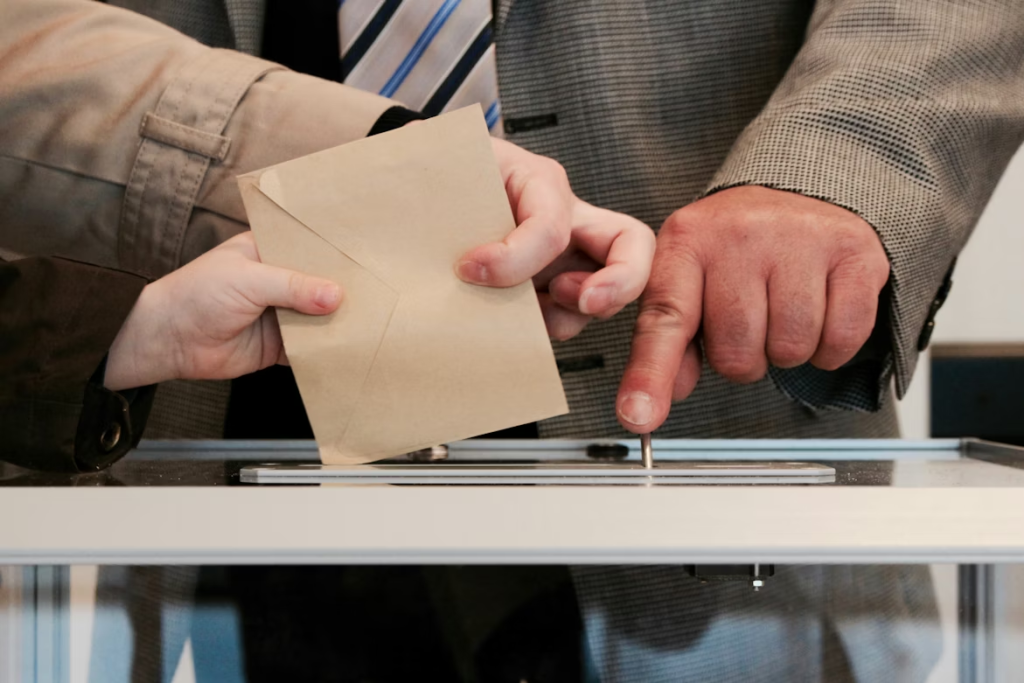
Getting someone to say they will vote is only the first step. A university feature story described how organizers worked with student groups to demystify the voting process and help them create a specific plan for election day. Knowing where to go and what time to arrive makes the process feel less intimidating.
Removing these mental barriers is a key part of turning a supporter into a voter. When people feel prepared, they are much more likely to follow through and cast their ballot. This preparation bridges the gap between intention and action.
Common tasks for campaign teams include:
- Walking through neighborhoods to talk to residents.
- Making phone calls to remind people about deadlines.
- Writing handwritten notes to encourage participation.
- Helping neighbors find their local polling stations.
Sustaining the Movement
Maintaining a strong network of helpers requires consistent backing and resources. An advocacy group for the 2025 election suggested that increased funding for management activities is needed to keep these systems running smoothly. Without proper oversight, the energy of a community can dissipate quickly.
Investing in the people who manage the volunteers is just as necessary as the volunteers themselves. Professional coordination makes sure that every door knock and phone call is tracked and used effectively. This structure turns a group of individuals into a powerful machine.
The journey from a community idea to a winning campaign is built on human connection. It relies on the dedication of people willing Volunteers Turn Support to spend their weekends talking to strangers. By focusing on the power of the individual, a campaign can transform local support into a lasting impact on the future of the country.
Go beyond the basics—explore more now at 2A Magazine.