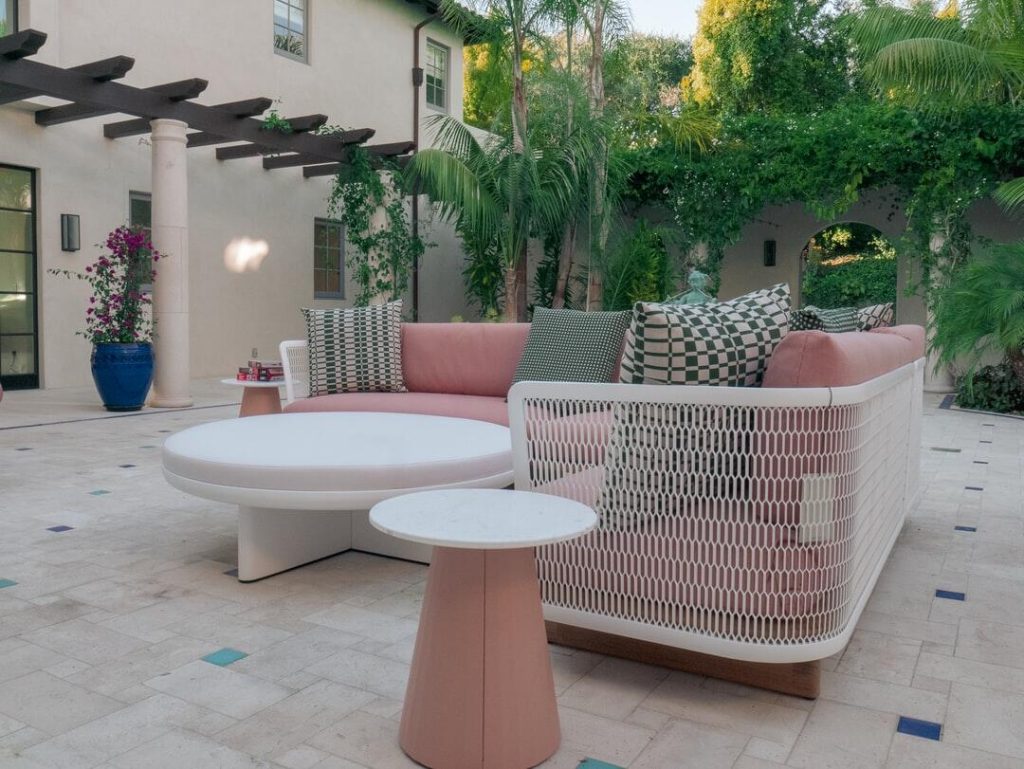
A seamless indoor-outdoor living space makes a home feel more open and comfortable. It allows people to move easily between inside and outside areas. This setup also brings in more light and fresh air.
Many homeowners choose this design to improve daily living. It can also make the home feel larger without adding new rooms. Simple changes can help create a better connection between spaces.
The sections below explain how to build a seamless indoor-outdoor living space step by step.
Use Consistent Flooring Materials
Flooring plays a major role in creating visual continuity. Using similar materials indoors and outdoors helps the space feel connected. Matching colors and textures reduces harsh transitions between areas.
Durable materials are best for outdoor conditions and heavy use. Slip-resistant surfaces improve safety for everyone. Proper installation ensures the flooring stays even and stable.
Clean lines help maintain a neat and open appearance. This approach makes the outdoor space feel like a natural extension of the home. Consistent flooring supports both function and style.
Install Large Doors and Wide Openings
Wide doors create a clear physical connection between spaces. Sliding or folding doors help open the home to the outdoors. Larger openings allow more natural light to enter the home.
They also improve airflow and reduce the need for artificial cooling. Clear glass panels help maintain visibility between areas. Professional exterior remodeling can ensure the structure supports wider openings safely.
Proper sealing protects the home from weather and moisture. Easy-to-operate doors improve daily convenience. This change makes transitions smooth and effortless.
Match Interior and Exterior Design Elements
Using similar colors inside and outside improves visual flow. Neutral tones work well in both environments. Matching furniture styles helps maintain design consistency.
Outdoor furniture should be durable but also comfortable. Similar shapes and materials help spaces feel unified. Decorative accents can connect both areas visually.
Simple design choices often have the strongest impact. Avoid using too many different styles in connected spaces. A consistent design supports a balanced and clean look.
Create Functional Outdoor Living Areas
Outdoor spaces should support daily activities and relaxation. Seating areas encourage people to spend more time outside. Dining areas make outdoor meals easier and more enjoyable.
Covered areas provide shade and weather protection. Comfortable layouts improve usability and flow. Easy access from inside improves convenience.
Outdoor zones should feel organized and purposeful. Clear pathways improve movement between spaces. Functional areas help maximize the value of outdoor space.
Use Lighting to Connect Both Spaces
Lighting improves safety and comfort in both areas. Similar lighting styles help maintain a unified look. Soft lighting creates a calm and inviting atmosphere.
Outdoor lighting extends usability into the evening. Proper placement highlights important features. Natural light should also be maximized during the day.
Large windows help balance indoor brightness with outdoor light. Energy-efficient lighting helps reduce costs. Good lighting supports both function and visual appeal.
You Can Achieve a Seamless Indoor-Outdoor Living Space
Creating a seamless indoor-outdoor living space improves comfort and daily life. Simple design choices help connect both areas naturally. Consistent materials and matching design elements improve visual flow.
Functional outdoor spaces increase usability and enjoyment. Proper lighting and landscaping improve both appearance and comfort.
These improvements also increase home value over time. With the right planning, any home can achieve a seamless indoor-outdoor living space.
Should you wish to explore other reads, head to our blog. We’ve got more!