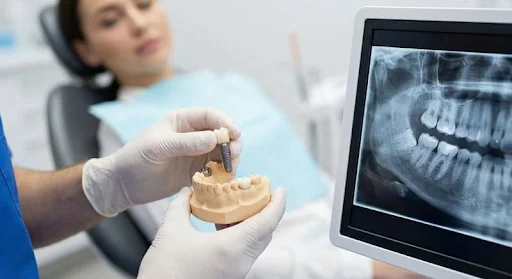
Yes, dental implants are considered a very safe, effective, and long-lasting solution for replacing missing teeth. When placed by qualified professionals, the surgical procedure boasts a highly reliable success rate ranging from 95% to 98%. Made from medical-grade, biocompatible titanium or zirconium oxide, these FDA-approved devices are designed to integrate directly with the jawbone to provide permanent structural stability. While minor surgical risks like infection or nerve damage exist, they are exceptionally rare and highly manageable. For patients exploring options like Dental implants in San Diego, CA, meeting the necessary clinical requirements—such as sufficient bone density and excellent oral hygiene—is the first step toward a successful, lifelong restoration.
How Safe Are Dental Implants?
When patients ask how safe are dental implants, the clinical consensus relies on extensive scientific research and over 50 years of successful use in modern dentistry. Currently, over 3 million people in the U.S. have dental implants, and this number grows by approximately 500,000 every year.
Biocompatible Materials
Dental implants are typically crafted from medical-grade titanium or zirconium oxide. Titanium is celebrated for its immense strength, durability, and proven safety record in various other medical joint replacements. These materials do not cause adverse biological effects and integrate seamlessly with the human body.
Osseointegration
The small titanium post is surgically placed directly into the jawbone, where it naturally fuses with the bone tissue over time. This biological process creates an unshakeable foundation for a crown, bridge, or denture.
Oral Health Preservation
Unlike traditional dental bridges that require reshaping healthy adjacent teeth, implants completely preserve your natural teeth. Furthermore, they actively prevent jawbone deterioration, which supports the stability of nearby teeth and maintains your natural facial structure.
Evaluating Dental Implants Safety and Clinical Success
The exceptionally high success rates of 95% or higher make implants the gold standard for tooth replacement. Ensuring maximum dental implants safety depends heavily on a combination of advanced surgical technology and the expertise of the dental provider.
Advanced Surgical Technology
The use of advanced imaging, such as 3D scans, and digital planning tools makes the surgical placement highly precise and much less invasive. These modern tools significantly reduce surgical complications, improve clinical outcomes, and shorten patient recovery times.
Expertise and Precision
While many general dentists perform implant surgeries, choosing highly trained specialists (like periodontists) ensures a deeper understanding of biological and anatomical complexities. Specialists undergo three additional years of training to expertly manage challenging cases involving bone loss or systemic health conditions through advanced techniques like bone grafting and sinus lifts. Clinics such as Soft Touch Dental prioritize this level of clinical precision to ensure fewer complications and a faster recovery process.
Potential Surgical Risks and Complications
As with any surgical procedure, there are inherent risks, but they are rare and highly manageable. Most post-operative issues can be entirely prevented by selecting a skilled provider and strictly adhering to at-home care instructions.
- Surgical Injuries: Although rare, potential complications during the initial surgery include localized infection at the site, injury to surrounding teeth or blood vessels, and nerve damage. Nerve damage can cause localized pain or numbness in the mouth.
- Sinus Complications: Implants placed in the upper jaw can occasionally protrude into the sinus cavities, leading to sinus issues.
- Peri-Implantitis: Long-term success depends entirely on excellent daily oral hygiene to prevent peri-implantitis. This is a destructive gum disease that forms around the implant and can lead to its eventual failure if left untreated.
Medical Candidacy
While highly effective for most individuals, dental implants are not ideal for everyone. Certain medical conditions and lifestyle factors can delay the body’s healing process and increase the risk of implant failure.
| Candidacy Factor | Ideal Condition (Ready for Implants) | High-Risk Condition (Requires Alternative or Delay) |
| Bone Density | Sufficient jawbone mass to securely anchor the titanium post. | Insufficient bone due to long-term tooth loss or gum disease; requires a prior bone graft. |
| Systemic Health | Generally good health, free from uncontrolled chronic illnesses. | Uncontrolled chronic conditions like diabetes, blood clotting issues, or autoimmune disorders. |
| Lifestyle Habits | Non-smoker or willing to quit completely during the healing phase. | Active smoking or tobacco use, which significantly reduces blood flow to the gums and delays healing. |
| Medications | Not taking medications that suppress the immune system or alter bone density. | Taking immunosuppressants or bisphosphonates (used for osteoporosis), which interfere with recovery and bone integration. |
| Oral Hygiene | Consistent, excellent daily brushing and flossing routines. | Untreated gum disease or poor hygiene habits. |
If you do not currently meet the ideal conditions, it does not mean implants are off the table permanently. Treatments like bone grafting, periodontal therapy, or lifestyle changes can drastically improve your eligibility over time.
Conclusion
Dental implants represent one of the safest, most effective, and scientifically backed procedures available for replacing missing teeth. When placed under the right clinical conditions, utilizing biocompatible materials and cutting-edge digital technology, they offer a permanent, life-changing solution. A thorough clinical evaluation of your medical history, bone density, and oral hygiene habits by a dental professional will determine the safest path forward to fully restore the function and aesthetics of your smile.