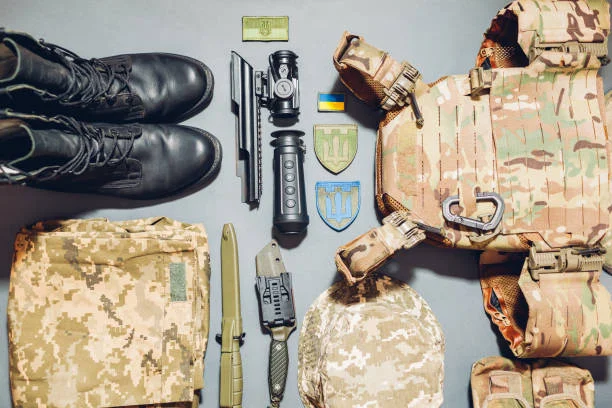
Advancements in tactical outdoor gear are shaping the way enthusiasts and professionals prepare for challenging environments. Today’s market is driven not only by a demand for superior functionality and protection but also by growing concerns about environmental responsibility. Companies now prioritize solutions that balance technology, performance, and sustainability, resulting in smarter, more reliable equipment for both recreational and emergency situations. For individuals looking to invest in preparedness, choosing the right bug out bag essentials backpack can make a significant difference in the field, enabling quick adaptation to changing conditions and emergencies.
Durability and organization are top priorities for tactical gear users, but manufacturers are taking things a step further by weaving digital intelligence and modularity directly into their products. Whether you are heading out for a multi-day hike, involved in a law enforcement scenario, or planning for disaster readiness, today’s tactical innovations can streamline how you carry, access, and interact with your equipment in ways never before seen.
Modern users expect gear that feels custom-tailored to their situation, which has inspired makers to push boundaries with adaptive fits, lightweight materials, and climate-responsive features Tactical Outdoor Gear. The integration of sustainability and ethical sourcing is no longer a footnote; it is a foundational consideration across the tactical gear industry. Innovators know that each design choice can influence not only personal safety but also long-term environmental impact.
Smart Technology Integration
Smart technology is quickly transforming tactical outdoor equipment. The latest gear features integrated sensors and smart textiles that monitor vital signs, including heart rate, hydration, and body temperature. This real-time health monitoring enables users to anticipate fatigue, avoid dehydration, and optimize performance as they navigate demanding environments. Smart wearables can also track movement and location, feeding data to mobile devices for improved safety and mission planning. Research in this field highlights that garments equipped with embedded AI-driven models can adapt to changes in both the user and the environment, offering invaluable tactical support.
Modular and Customizable Systems
One of the defining strengths of modern tactical gear lies in its modular design. Today’s load-bearing systems are engineered to let users tailor vests, backpacks, and belts to their exact operational requirements by adding, removing, or repositioning pouches, holsters, hydration carriers, and tool kits. This level of customization enhances field efficiency, ensuring that essential equipment is always organized and within immediate reach. By minimizing unnecessary movement and reducing time spent searching for tools, modular configurations also improve safety and performance. Furthermore, the inherent adaptability of these systems allows a single piece of gear to evolve alongside changing missions, environments, and user preferences, ultimately maximizing long-term functionality and value.
Lightweight and Durable Materials
Innovation in materials science has led to the development of fabrics and composites that offer both lightness and extreme durability. Advanced textiles such as ripstop nylon and Cordura are engineered to resist abrasion, repel water, and maintain breathability for long-term comfort. These materials help reduce carry weight without sacrificing protection or structural integrity. For example, the use of carbon fiber in load-bearing frames and ballistic panels has resulted in lighter gear that does not compromise on safety or usability. These developments align with demands for gear that performs consistently across varied climates and terrain.
Adaptive Camouflage and Concealment
Adaptive camouflage technologies are enhancing stealth for both outdoor enthusiasts and tactical professionals. The latest patterns are designed to dynamically adjust to different terrains and lighting conditions, reducing the likelihood of detection whether in dense forests, rocky mountains, or open fields. Some state-of-the-art designs even use responsive materials that change their appearance in response to environmental stimuli. This focus on intelligent concealment is particularly vital for military and law enforcement personnel who require discretion to perform their missions effectively and safely.
Sustainable and Eco-Friendly Gear
Sustainability is taking center stage within the tactical gear industry as companies respond to consumer and regulatory demands for eco-friendly practices. New gear lines feature recycled textiles, biodegradable coatings, and reduced-waste manufacturing processes. By sourcing materials from post-consumer waste and designing products for longevity, manufacturers help lessen the ecological impact of outdoor pursuits. These initiatives support not only environmental preservation but also the reputation and appeal of their brands among conscientious consumers.
Enhanced Ballistic Protection
The evolution of ballistic technology has led to protective equipment that is simultaneously lighter and stronger. Materials like Dyneema and Spectra fibers are being incorporated into vests and helmets, allowing them to absorb and dissipate impact without adding unnecessary weight. These innovations improve wearer mobility and tactical response, making protective gear more practical for long-term use in dynamic situations. Improved ergonomics and compatibility with other equipment also increase the user’s confidence and readiness during critical operations.
Ergonomic Designs for Comfort
Modern tactical gear is designed with the human body in mind, employing ergonomic shapes, padded supports, and moisture-wicking materials to enhance user comfort. Features like adjustable waistbands, contoured shoulder straps, and ventilated back panels distribute weight evenly, reduce fatigue, and allow for custom fits. These improvements are crucial during extended missions or expeditions, where even small reductions in discomfort can significantly impact overall performance and satisfaction.
Integrated Medical and Survival Tools
Preparedness is an essential aspect of tactical gear, which is why manufacturers are increasingly integrating medical supplies and survival tools into their designs. Backpacks and vests often include dedicated compartments for first aid kits, tourniquets, and hydration systems, ensuring immediate access during emergencies. Some products feature built-in multi-tools, fire-starting kits, and signaling devices, reflecting a commitment to comprehensive readiness in unpredictable situations. This focus on integration minimizes the need for separate gear and supports streamlined packing and deployment in high-stress environments.
These innovations collectively push the boundaries of what tactical outdoor gear can achieve, making it more adaptive, comfortable, and responsible than ever before. As technology and consumer expectations continue to advance Tactical Outdoor Gear, the future of outdoor equipment is set to become even more exciting and sustainable, supporting safer and more efficient exploration of the natural world.
Don’t miss our top featured insight this week at 2A Magazine.