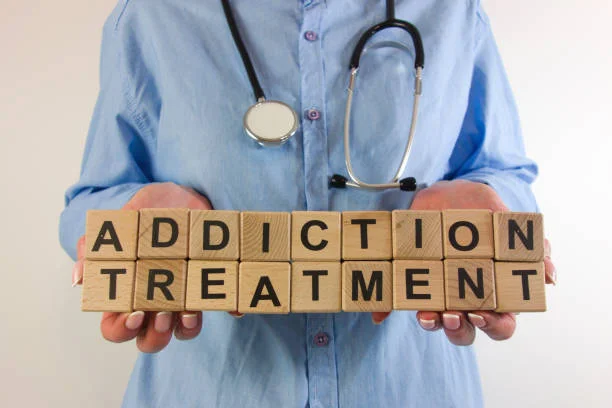
Most people do not wake up one morning and announce they need rehab. The shift is usually slower than that. It shows up in missed deadlines, strained conversations, restless nights, or the constant mental math of how much is left and when to get more drug rehab. Substance use tends to inch forward, not explode all at once. That is what makes it hard to pinpoint the moment when casual use crosses into something that deserves real intervention.
If work performance is slipping, relationships feel brittle, or you are organizing your day around access to a substance, those are not minor lifestyle tweaks. They are indicators that something is steering the wheel that should not be. It is not about moral failure or a lack of discipline. It is about patterns. When a pattern starts shrinking your world instead of expanding it, that is worth paying attention to. The earlier someone acknowledges the shift, the more options they usually have.
When Physical Dependence Enters The Picture
There is a meaningful difference between use and dependence. Once the body expects a substance and reacts when it does not get it, the conversation changes. Shaking hands, nausea, headaches, irritability, or anxiety that feels disproportionate can signal that the body has adapted and now struggles without the chemical it has grown used to drug rehab. At that point, stopping on your own can be uncomfortable and in some cases risky.
This is where drug detox becomes part of the equation. Detox is not the entire recovery journey, but it is often the first structured step. It allows the body to stabilize under medical supervision so that the work that follows is safer and more focused. If someone has tried to quit multiple times and found themselves pulled back in by physical symptoms, that is not weakness. It is biology. Recognizing that reality can be the moment that shifts someone from frustration to action.
When Attempts To Cut Back Keep Failing
Many professionals, entrepreneurs, and high performers tell themselves they can manage it. They set new rules. Only on weekends. Only socially. Only after a big deal closes. If those boundaries collapse repeatedly, that is data. When promises to yourself start sounding hollow, it may be time to look beyond self-regulation and toward structured support.
Rehab is not just for people who have lost everything. It is often most effective when someone still has plenty to protect. Entering treatment before legal trouble, job loss, or a public crisis unfolds is not dramatic. It is strategic. Leaders invest in preventative maintenance for their companies all the time. Applying that same mindset to personal health is simply good judgment. If substance use keeps overriding your own limits, that is not a small issue to brush aside drug rehab.
When Substances Complicate Mental Health
There is another layer that often gets overlooked, the relationship between drugs and mental illness. Anxiety, depression, trauma, and mood disorders frequently intersect with substance use. Sometimes people begin using blunt emotional pain. Other times, substance use intensifies underlying conditions that were already present. Either way, the combination can amplify both issues.
If you notice that mood swings are sharper, anxiety spikes are more frequent, or depressive episodes linger longer when substances are involved, that is not random. Comprehensive rehab programs now integrate mental health support alongside addiction treatment, addressing both sides of the equation instead of isolating one. When emotional well being and substance use start feeding each other in a loop, outside intervention is not an overreaction. It is a way to interrupt the cycle before it tightens further.
When Loved Ones Start Sounding The Alarm
Feedback from others can be hard to hear, especially if it comes wrapped in frustration. Still, when multiple trusted people express concern drug rehab, it is worth pausing. If a partner mentions feeling disconnected, a colleague hints at reliability issues, or a family member says they are worried, that is information. Defensiveness is a natural reflex, but patterns seen from the outside can be clearer than the view from within.
It is also telling if you find yourself hiding use, downplaying frequency, or minimizing consequences. Secrecy usually signals that part of you already knows something is off. Rehab can feel intimidating, but so does living in constant concealment. Transparency, even if it begins in a treatment setting, often brings relief that people did not expect.
When Your Life Starts Shrinking
One of the most reliable indicators that it may be time for rehab is a subtle narrowing of your life. Hobbies fall away. Social circles get smaller. Travel plans are declined. Ambitions stall. Substance use becomes the center of gravity. It may not look dramatic on the outside, especially for people who maintain a polished exterior, but internally the space feels tighter.
Recovery, by contrast, expands options. It restores time, focus, and relationships that had been overshadowed. The question is not whether things have collapsed entirely. The question is whether they are contracting in ways that do not align with who you want to be. When the gap between your potential and your current reality grows uncomfortable, that discomfort can be a catalyst.
A Turning Point Worth Taking
Deciding to enter rehab is rarely about hitting rock bottom. It is about recognizing a direction that no longer serves you and choosing something better. If substance use has become a source of stress rather than relief, if attempts to manage it have failed, or if your physical and emotional health are starting to fray, those are legitimate reasons to consider structured helpdrug rehab.
Rehab today is more sophisticated and individualized than many people realize. It can protect careers, preserve families, and restore clarity that felt lost. The tipping point is not defined by catastrophe. It is defined by awareness. When you know that continuing on the same path will cost more than changing course, that is often the moment real change begins.
Dive deeper into topics that matter to your success at 2A Magazine.