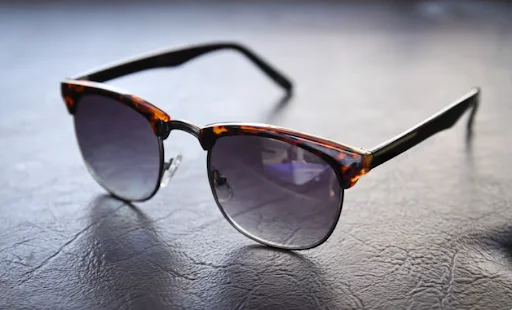
When glasses no longer meet their vision needs, many individuals continue to wear them. Since vision changes tend to occur slowly Update Your Glasses, it’s easy to get used to them without even noticing that your glasses stop working.
To enhance clarity and comfort and protect your eyes, it’s best to have your eyes checked to determine whether you need to update your eyeglasses.
Don’t know when to replace your old glasses? No need to look elsewhere. Below, we’ll shed light on six noticeable signs, so let’s check them out now…
Sign #1 – You’re Experiencing Frequent Headaches or Eye Strain
If you start experiencing more headaches, feeling exhausted, and discomfort after reading or watching digital screens, you might have the wrong prescription.
Difficulty focusing puts additional stress on your eyes and surrounding muscles and may result in fatigue and tension headaches. New lenses could alleviate such pressure and help make daily activities much easier.
Sign #2 – It Feels Like Your Vision is Blurred or Uneven
A clear vision should not be a one-day affair. If objects become blurred, distorted, or harder to focus on, especially when switching between near and distant objects, stop using your glasses.
Instead, visit an eye care expert for an eye examination; they will recommend prescription eyeglasses to improve your vision.
Even minor prescription adjustments can result in a noticeable improvement in the clarity and comfort of your vision during the day.
Sign #3 – You’re Squinting or Holding Things Farther Away
Squinting, tilting your head, or holding reading material at arm’s length are top signs your glasses aren’t working as well as they should.
These habits often develop subconsciously as your eyes try to compensate for outdated lenses. If you catch yourself doing this regularly, an eye exam is likely overdue.
Sign #4 – Driving at Night Has Become More Challenging
Difficulty with nighttime vision, glare Update Your Glasses, or halos around lights may indicate that your lenses should be replaced. Old lenses can also become less effective at reducing glare.
However, new prescription glasses with anti-reflective coatings can improve nighttime visibility and make driving much easier.
Sign #5 – Your Glasses Are Literally Worn Out
The functionality of glasses may be significantly affected by scratches, loose frames, distorted lenses, or damaged nose pads.
Physical wear can also decrease clarity and comfort, even when your prescription has not changed. If you notice any of these issues with your glasses, consider replacing them to ensure proper alignment and optimal vision correction.
Sign #6 – Your Lifestyle or Vision Needs Have Changed
Changes in work, hobbies, or screen time can affect what you need from your glasses. If you spend more time on digital devices, read more, or switch between tasks more often, your existing lenses might no longer fit your lifestyle.
Certain eyewear providers, such as Pearle Vision, regularly recommend lens options that meet changing vision needs.
Final Words
Using the same glasses for years not only affects your vision but also your comfort, productivity, and health. If you notice any of these common signs and make regular eye check-ups, you’ll buy glasses that enhance your vision—and help you see well Update Your Glasses.
To put it another way, updating your glasses on time is a small change that can make a big difference in your day-to-day life.
Explore related strategies to boost your success at 2A Magazine.