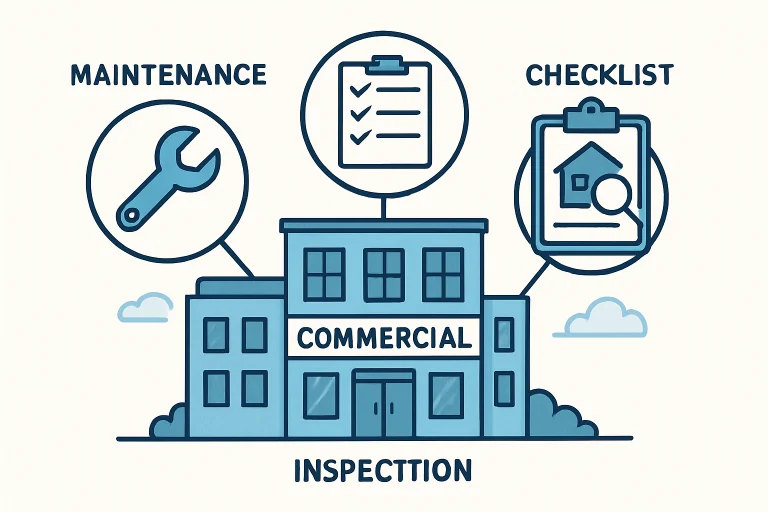
Maintaining a commercial property is much more than simply reacting to problems after they occur. Proactive strategies for commercial building maintenance Sydney can prevent minor issues from escalating into costly repairs. By investing in ongoing care, property owners can enhance long-term value, reduce liability, and provide tenants with a reliable, secure environment.
Preventive maintenance prioritizes scheduled inspections and routine upkeep for building systems and structures. This approach not only helps avoid unexpected disruptions but also builds trust with tenants, which in turn can lead to greater satisfaction and tenant retention. Structured ongoing maintenance programs help anticipate challenges and address them before they escalate, saving both time and money for building owners and managers.
From energy systems to building exteriors, preventive maintenance delivers a comprehensive strategy for asset protection. Proactive planning keeps facilities operating safely and efficiently, while also meeting compliance standards and regulatory obligations.
Beyond reducing costly emergency repairs, a robust maintenance plan supports business continuity and enables organizations to forecast repairs and upgrades more accurately. Implementing preventive care results in more predictable financial outcomes, longer asset lifespans, and a safer environment for all building occupants.
Understanding Preventive Maintenance
Preventive maintenance is the ongoing process of routine inspections and servicing of a building’s essential systems. Unlike reactive maintenance, which kicks in only after a system fails, preventive maintenance focuses on identifying weak points and inefficiencies early. This strategy minimizes risks such as equipment breakdowns or safety hazards, supporting smoother building operations.
A robust preventive maintenance program enables property managers to spot signs of wear, outdated components, and environmental damage. Scheduled upkeep, whether monthly, quarterly, or annually, ensures that issues are handled before they become critical.
Financial Benefits of Proactive Maintenance
Proactive maintenance consistently translates into measurable cost savings for commercial properties. Research by the U.S. Department of Energy shows that every dollar spent on preventive measures can yield up to five dollars in savings by preventing emergency repairs and reducing unplanned downtime. In practical terms, this means fewer tenant disruptions, less asset depreciation, and a substantial reduction in expensive after-hours callouts.
Routine maintenance also assists with budgeting and financial forecasting. Predictable expenses enable owners and facility managers to allocate funds efficiently, anticipate capital improvements, and avoid the fiscal shocks that emergency repairs can create.
Key Areas to Focus On
Thorough maintenance strategies cover the entire property, but some systems are particularly important due to their impact on comfort, safety, and operating costs:
- HVAC Systems: Periodic inspections, filter changes, and ventilation checks increase energy efficiency and extend the life of heating and cooling units.
- Roofing: Regular evaluation and minor repairs can prevent leaks, mold development, and major structural problems down the road.
- Plumbing: Inspecting for leaks or corrosion helps preserve water resources and minimize water damage risks.
- Electrical Systems: Proactively inspecting electrical panels, lighting, and wiring can prevent outages and mitigate fire hazards.
- Building Envelope: Maintaining insulation, doors, and windows helps regulate building temperature and guards against energy loss or water infiltration.
Implementing a Preventive Maintenance Plan
Establishing a solid maintenance program starts with a detailed assessment. Owners and facility teams should first evaluate the current state and age of all building systems and note any recurring issues. From there, a plan that addresses regular tasks and critical intervals based on manufacturer and industry recommendations should be created.
- Assessment: Conduct a baseline survey of building assets and prioritize items based on their condition and operational importance.
- Scheduling: Set recurring service intervals for each system, adjusting frequency as needed for seasons or building usage changes.
- Documentation: Keep clear, organized records for every inspection and repair. This aids compliance and provides valuable insights for future planning.
- Training: Equip maintenance teams with up-to-date skills and tools required for evolving building technologies.
- Review: Analyze outcomes and continuously update the plan to incorporate new best practices and lessons learned from previous efforts.
Leveraging Technology for Maintenance
The advent of digital platforms and smart building technologies has accelerated advances in property management. Sensors, IoT devices, and Building Management Systems (BMS) offer real-time data on energy usage, equipment status, and occupancy trends. These tools help teams anticipate failures, optimize energy use, and coordinate repairs more efficiently.
Predictive analytics powered by machine learning can provide early warnings based on historical and current performance data. This lets facilities teams shift from a fixed schedule to a condition-based approach, further lowering costs and extending equipment lifespans.
Conclusion
A well-designed preventive maintenance program is an investment in the future profitability and operational stability of a commercial property. By anticipating repairs, embracing new technologies, and prioritizing ongoing training, property owners not only lower costs but also ensure the safety, efficiency, and satisfaction of everyone who uses their facilities.