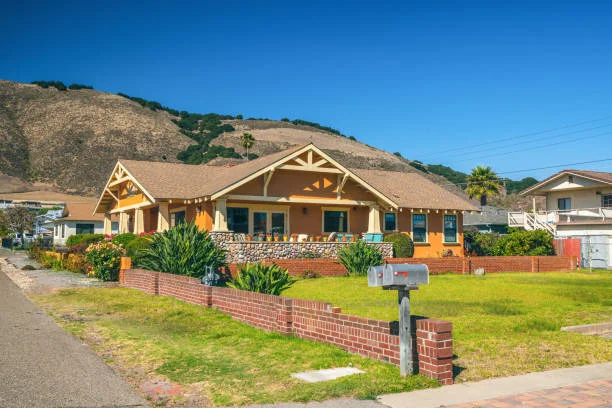
California is famous for its diverse landscapes, ranging from sun-drenched coastlines to rugged mountain ranges. However, these same geographic features present unique challenges for the structural integrity of residential buildings. For many property owners, the focus is shifting toward the ground beneath their feet. Understanding why foundation repair has become a focal point of home maintenance requires a look at the state’s volatile geology, shifting weather patterns, and the aging inventory of its housing stock.
The Role of Expansive Soils and Soil Movement
A primary driver of foundation damage in California is the prevalence of expansive clay soils. These soils act like a sponge; they swell significantly when wet and shrink during dry periods. This constant cycle of expansion and contraction puts immense pressure on a home’s concrete base. When the soil expands, it can lift the foundation in a process known as upheaval. Conversely, during the long dry seasons common in the region, the soil retreats, leaving voids that lead to foundation settlement.
This recurring soil movement is not merely a surface-level issue. Over time, the differential movement (where one part of the house shifts faster than another) causes the structural frame to twist. This often manifests as foundation cracks in the basement or slab, sticking doors, and uneven flooring. Homeowners are increasingly realizing that these symptoms are not just “old house charms” but indicators of underlying soil instability.
Weather Extremes and Drainage Issues
The California climate has become a study in extremes. Periods of intense drought are frequently followed by atmospheric rivers that bring massive amounts of precipitation in short windows. This creates a perfect storm for drainage issues. When a property lacks a proper grading or gutter system, water pools around the perimeter of the foundation.
Excessive moisture softens the supporting soil, reducing its load-bearing capacity. In some cases, hydrostatic pressure (the force exerted by standing water against the foundation walls) can cause the concrete to bow or crack. Proper moisture management has become a critical preventative measure, as the cost of fixing foundation problems often far exceeds the cost of installing effective drainage solutions.
Identifying Common Foundation Problems
Recognizing the early signs of distress is essential for maintaining property value. Many homeowners begin their investigation when they notice visual cues inside the living space. These often include:
- Gaps between the wall and the ceiling or floor.
- Cracks in drywall, particularly radiating from the corners of door frames and windows.
- Sloping or sagging floors.
- Windows that no longer open or close smoothly.
External signs are equally telling. Horizontal cracks in the exterior brickwork or visible separations in the concrete slab are clear indicators that the structure is under stress. Because California is seismically active, even minor foundation settlement can be exacerbated by the frequent micro-tremors that occur across the state’s fault lines. A weakened foundation is significantly more vulnerable to damage during a significant seismic event, making structural health a matter of safety as well as finance.
Structural Integrity and Modern Solutions
The methodology for addressing these issues has evolved. In previous decades, a “patch and hide” approach was common, where cracks were simply filled with epoxy. Today, the focus has shifted toward permanent stabilization. Modern residential foundation repair often involves the use of steel piers or helical anchors driven deep into the earth to reach stable load-bearing strata. By bypassing the volatile surface soils, these systems provide a permanent “bridge” for the home’s weight.
California’s varied terrain makes a one size fits all solution unrealistic. A coastal home built on sandy soil demands a very different engineering approach than a property set in the clay heavy foothills. Addressing these differences requires a solid understanding of local building codes, soil conditions, and structural behavior.
For many homeowners, working with experienced foundation repair professionals is the most reliable way to identify the specific needs of their property. Companies like Sunshine Foundation Repairs provide detailed technical assessments that evaluate structural stability and underlying soil movement. These evaluations allow repairs to be prioritized based on the severity of shifting and the current condition of the concrete, helping homeowners make informed, strategic decisions.
The Impact of Aging Infrastructure
A significant portion of California’s residential neighborhoods was developed during the post-war housing booms of the 1950s and 1960s. Many of these homes are now reaching an age where the original foundation materials are beginning to degrade. Rebar within the concrete can corrode if exposed to moisture, leading to “spalling,” where the concrete flakes or breaks away.
Furthermore, older building codes did not always account for the long-term effects of expansive soil as rigorously as modern standards do. As these older homes change hands, the necessity of foundation repair often becomes a primary point of discussion during real estate inspections. Ensuring the base of the home is secure is no longer seen as an optional upgrade but as a fundamental requirement for long-term residency.
Long-Term Value and Prevention
Addressing foundation damage is rarely a task that can be indefinitely postponed. What begins as a small hairline crack can, over several seasons of soil movement, develop into a major structural failure. Beyond the safety implications, the financial impact on property value is substantial. A home with documented foundation problems is often difficult to finance or insure, leading to a decrease in marketability.
Prevention remains the most effective tool for the modern homeowner. Maintaining a consistent moisture level in the soil around the house, ensuring that downspouts direct water at least five feet away from the structure, and monitoring the interior for new cracks can save tens of thousands of dollars in future costs. By staying proactive, California residents can protect their investments against the unique geological demands of the Golden State.
Editor’s choice—insights designed to drive success at 2A Magazine.