Choosing the right vehicle for a service-based business can feel overwhelming, especially when your options range from versatile pickups to heavy-duty trucks and full box bodies. Contractors, delivery teams, and fleet managers all face the same challenge. They need vehicles that work hard without complicating daily operations. While each platform has its place, the decision ultimately comes down to how your business operates and how much flexibility you need as you grow.
Some vehicles excel at specific tasks but struggle outside their niche. Others strike a balance between capability and adaptability, allowing companies to scale without constantly replacing equipment. If you’re comparing options like the GMC Sierra 1500, RAM 2500, or a Chevy box truck, understanding where each vehicle shines can help you build a fleet that supports both today’s workload and tomorrow’s opportunities.
GMC Sierra 1500 is The Versatile Workhorse for Everyday Service Jobs
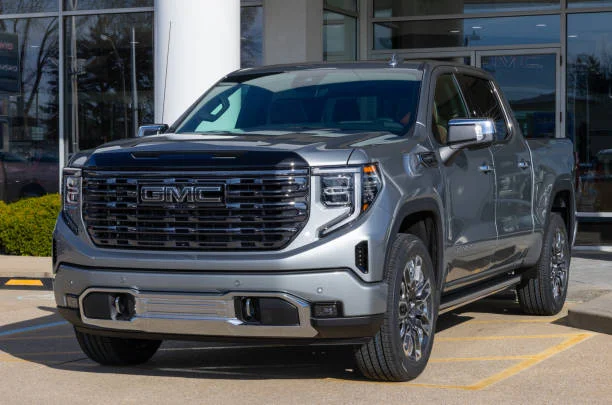
For many service companies, versatility matters more than sheer size. The GMC Sierra 1500 continues to stand out because it adapts to a wide range of tasks without feeling oversized or restrictive. Businesses that have relied on vans such as the Chevy Express 2500 often add a Sierra 1500 to their fleet because it fills the gap between light-duty errands and heavier hauling needs.
What makes the Sierra particularly appealing is how it balances capability with everyday practicality. Contractors can use it for towing trailers, hauling tools, or transporting crews between job sites while still benefiting from a comfortable cab that feels closer to a modern SUV than a traditional work vehicle. The open bed design allows for quick loading and unloading, which speeds up workflows for trades that constantly move materials.
Another advantage is customization. Ladder racks, toolboxes, and bed organizers can transform the Sierra into a highly efficient mobile workspace. Unlike larger commercial trucks that require significant planning for storage systems, the Sierra’s flexibility makes it easy to adjust setups as projects change. For service businesses that value adaptability, this versatility often gives the Sierra an edge over more specialized vehicles.
How Heavy-Duty Box Trucks Change the Conversation
While pickups and light-duty trucks focus on flexibility, box trucks introduce a completely different level of capability. Vehicles inspired by the Chevrolet C6500 demonstrate how businesses can scale operations when cargo volume and payload become top priorities. With larger frames, stronger powertrains, and enclosed cargo areas, these trucks are designed to move significant amounts of equipment or inventory in a single trip.
Service companies that transition into larger contracts or regional deliveries sometimes find that a box truck opens new opportunities. The enclosed body protects materials from weather, and the increased space allows teams to transport everything from construction supplies to specialized equipment. For companies handling large-scale installations or commercial deliveries, this kind of capacity can be essential.
However, the benefits of a box truck often come with trade-offs. Larger vehicles require more planning when navigating tight urban areas or residential streets. Fuel costs and maintenance expenses can also increase compared to lighter trucks. While a box truck may be the right choice for specific operations, it’s not always the most practical solution for businesses that rely on flexibility and quick turnaround times.
RAM 2500 is Built for Power, But More Specialized
The RAM 2500 sits in an interesting position between light-duty pickups and larger commercial trucks. It offers significant towing capacity and heavy-duty performance, making it a strong choice for businesses that regularly haul trailers or operate in demanding environments. Landscapers towing equipment, construction teams moving heavy machinery, or service pros working in rugged terrain often appreciate the extra strength this truck provides.
That power, however, can make the RAM 2500 feel more specialized compared to the Sierra 1500. Its heavier build and focus on towing capability mean it’s best suited for businesses that consistently need that level of performance. For companies with diverse daily tasks, the added size and fuel consumption may not always justify the upgrade.
Fleet managers often find that the RAM 2500 works well as a dedicated support vehicle rather than a primary daily driver. It shines when handling demanding jobs, but the Sierra 1500 tends to offer more flexibility for companies balancing multiple service roles.
Comparing Everyday Efficiency Across Vehicle Types
Efficiency isn’t just about fuel economy. It’s about how easily a vehicle integrates into your workflow. The GMC Sierra 1500 excels here because it adapts to a wide range of scenarios without requiring major adjustments. Technicians can drive it comfortably, park it in residential areas, and still rely on its towing capability when larger jobs arise.
The RAM 2500’s strength becomes an advantage when tasks demand heavy hauling, but that same strength can feel excessive for lighter service calls. Meanwhile, box trucks provide unmatched cargo space but may slow down operations in dense urban environments where maneuverability matters.
For many service businesses, combining different vehicle types creates the most efficient fleet. A versatile pickup like the Sierra handles daily work, a heavy-duty truck like the RAM 2500 tackles specialized tasks, and a box truck supports larger projects when needed.