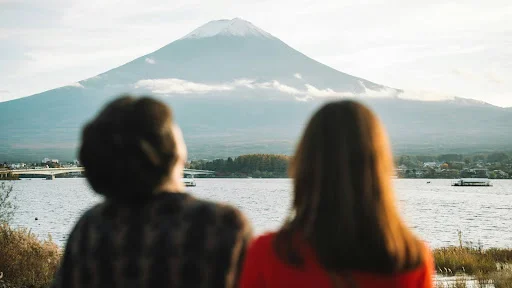
Land That Keeps Interrupting the Idea of Speed
Speed is usually treated as an answer. In Japan and Korea, it behaves more like a suggestion. The land doesn’t disappear when trains accelerate Japan’s Volcanic Peaks. It keeps asserting itself in smaller ways — a ridge that narrows the view, a sudden tunnel, a brief opening where mountains appear and vanish again. Even before you notice how fast you’re moving, you become aware of how often the route bends to accommodate something older, heavier, unmoved by efficiency.
Motion That Doesn’t Ask for Attention
Riding the KTX trains, you’re aware of velocity mostly by absence. There’s no strain, no dramatic sense of departure. Acceleration smooths itself out quickly and then recedes. Outside, the terrain does the opposite. Slopes rise. Valleys compress. Towns appear exactly where the land seems willing to accept them. The train doesn’t compete with this. It follows, quietly, as though speed were something agreed upon rather than imposed.
Mountains That Refuse to Become Scenery
Korea’s interior doesn’t flatten for convenience. Peaks hold their shape. Passes narrow suddenly. Movement feels guided rather than directed. You sense that routes here were chosen carefully, adjusted repeatedly, refined instead of replaced. The landscape isn’t dramatic in the cinematic sense. It’s persistent. And that persistence alters how speed feels — less like forward momentum, more like continuous negotiation.
Precision That Feels Rehearsed
Japan approaches motion with a different kind of restraint. The Shinkansen train doesn’t announce itself through force or novelty. It feels practiced. Familiar. Motion unfolds exactly as expected, which is what makes it disappear. Fields flatten briefly. Volcanic slopes surface at the edge of vision. Density gathers without warning. Nothing feels rushed. Nothing feels accidental either.
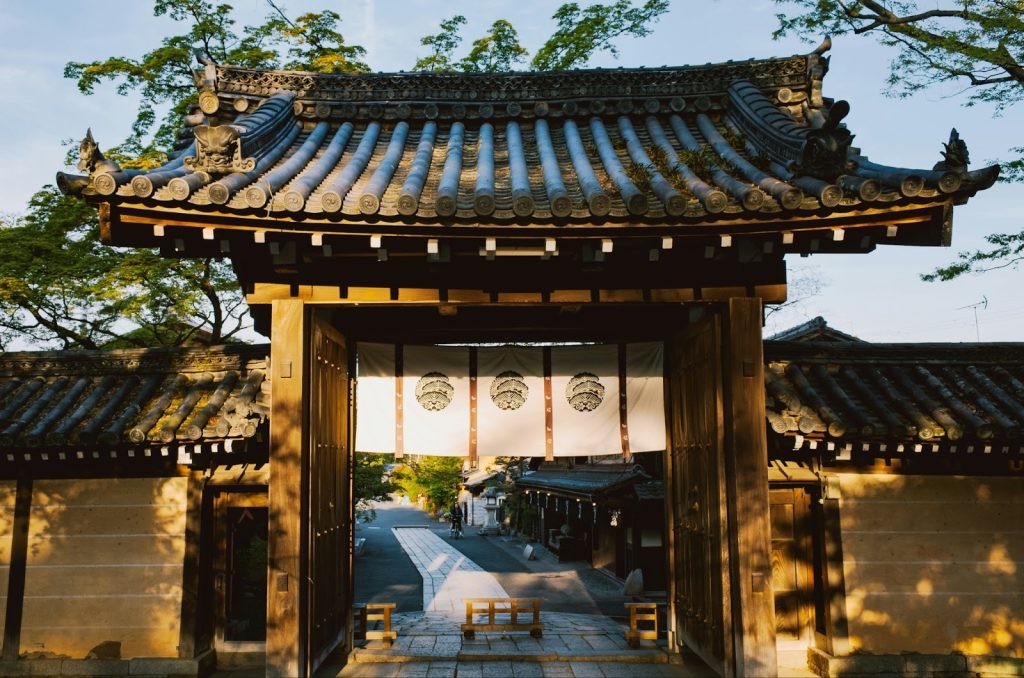
Volcanic Ground, Calm Surface
There’s something slightly dissonant about moving so smoothly above land that remains unsettled. Japan’s volcanic geography doesn’t vanish beneath infrastructure. It stays present in subtle ways — uneven horizons, sudden elevation changes, the sense that stillness here is provisional. And yet the journey remains steady. The tension never resolves. It’s simply maintained.
Two Systems, Similar Instincts
Despite their differences, Korea and Japan share an instinct for restraint. Speed isn’t framed as conquest. It’s treated as maintenance. Routes anticipate terrain. Systems expect repetition. You don’t feel separated from the land by technology. You feel carried along its existing logic, faster than before, but not out of sync.
When Fast Stops Registering as Fast
After enough time in motion, numbers lose relevance. You stop thinking in minutes or kilometres. Attention shifts to smaller signals — light dimming briefly in a tunnel, a mountain appearing too late to fully register, the soft change in sound as altitude shifts. Speed becomes background. Sensation takes over.
Arrival Without a Clear Edge
Cities shaped by mountains don’t open easily. Seoul and Tokyo compress themselves on arrival. Density increases. Sound layers. The shift from landscape to city doesn’t feel like an ending. It feels like another adjustment. Movement doesn’t stop. It reorganises.
Technology That Doesn’t Need Applause
What stands out most is how little these systems ask for recognition. Comfort is assumed. Precision is expected. Nothing points to itself. Over time, this refusal to perform becomes the defining feature. Speed stops being impressive. It becomes usable.
What Stays After the Motion Loosens
Later, the journeys don’t return as images of trains or stations. They surface as a feeling — of having moved quickly without being hurried, of having crossed difficult land without disturbing it. Japan’s volcanic ridges and Korea’s mountain passes overlap in memory, not as contrasts, but as continuities. The experience doesn’t resolve into meaning Japan’s Volcanic Peaks. It thins out, leaving behind a quieter understanding of distance — one shaped by cooperation rather than force.
Keep learning with our in-depth resources at 2A Magazine.