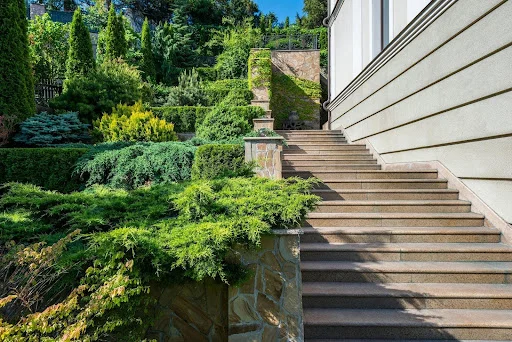
Creating a safe path through a sloped garden takes more than placing a few stones. A thoughtful plan should balance appearance with comfort underfoot. Well-designed steps move to the yard smoothly and securely for everyone.
Consider materials and layout before any digging begins. Natural textures and earth-toned colors help the stairs blend with the setting. Proper dimensions reduce the risk of trips, even when carrying items across the space.
Get The Dimensions Right
Safety begins with consistent measurements across every step in a flight. All risers and treads should match within a tolerance of about five millimeters to prevent unexpected height changes. Even small inconsistencies can disrupt balance and increase the risk of trips or missteps for anyone using the stairs daily.
When planning tread depth, think about stability and surface performance. Many projects incorporate Chief Bricks granite steps for their strength and reliable grip in varied weather conditions. Adequate tread depth allows the entire foot to rest firmly, supporting secure movement up and down the staircase.
A practical formula helps achieve comfortable proportions. Two risers plus one tread should equal roughly 63 to 65 centimeters.
Choose Natural Materials
Selecting materials that reflect earth tones helps outdoor steps feel integrated with their surroundings. Many homeowners prefer muted greens, soft charcoal, and terracotta browns that echo nearby plants and soil. These understated colors prevent the hardscape from appearing overly sharp against grass and garden beds.
Natural stone remains a popular option for its timeless character and durability. Surveys suggest many Americans would spend more time outdoors if their yards felt more inviting and attractive. Well-crafted stone steps contribute visual appeal while standing up to changing weather conditions year after year.
Stair width shapes the atmosphere of the space. Wider steps create a grand, open presence that suits expansive yards. Narrower designs complement compact or rustic settings with a more modest scale.
Focus On Visibility
Lighting is a huge part of making your yard steps work well after the sun goes down. Using LED lights is a smart move because they use up to 80% less energy than old-fashioned bulbs. They stay cool and last a long time in the rain or snow.
The placement of these lights matters just as much as the bulbs you choose. By offsetting the lights, you can avoid dark spots and make sure each step is clearly visible. This prevents shadows from hiding the edge of a tread.
Solar Options
You might consider solar-powered lights if you do not want to run wires through the dirt. These are easy to install along the edges of the path. They soak up the sun during the day and glow automatically when it gets dark.
Consider Handrails For Safety
Even a short set of steps can benefit from a solid railing. For the best safety, stair railings should be at least 90 cm high. This gives people something sturdy to grab onto if they lose their balance.
The material of the rail should be easy to grip and comfortable to touch. Metal or treated wood are common choice that can handle being outside all year. Make sure the rail is anchored deeply so it does not wobble when someone leans on it.
- Use weather-resistant hardware.
- Ensure the surface is smooth to avoid splinters.
- Check local building codes for specific height requirements.
Work With The Slope
Designing on a hillside means respecting the land’s natural contours instead of forcing a single, steep staircase straight up the incline. Dividing the climb into shorter runs with level landings improves balance and reduces strain for daily use. These breaks create comfortable pauses that make the ascent feel steady and manageable.
Landings provide more than a place to stop. They allow gradual direction changes so the staircase can follow the terrain in a controlled, natural way. Subtle turns soften the appearance and prevent the structure from feeling harsh.
Careful placement can guide movement toward patios, gardens, or seating areas. This thoughtful layout shapes how people experience the yard from start to finish.
Support The Local Environment
Your yard is part of a larger ecosystem, and your steps can reflect that. Some people choose to leave natural debris nearby to help local wildlife. Strategies like leaving leaves or creating small habitats encourage native bee populations to stay healthy.
You can plant native flowers along the edges of your stone steps. These plants usually need less water and help the stairs blend into the greenery. It creates a soft look that makes the transition from stone to soil look seamless.
An article noted that gardening trends now focus on naturalism to help bugs thrive in residential areas. This style uses wilder edges to mirror the aesthetic of wild landscapes. It is a great way to make your hardscaping feel alive.
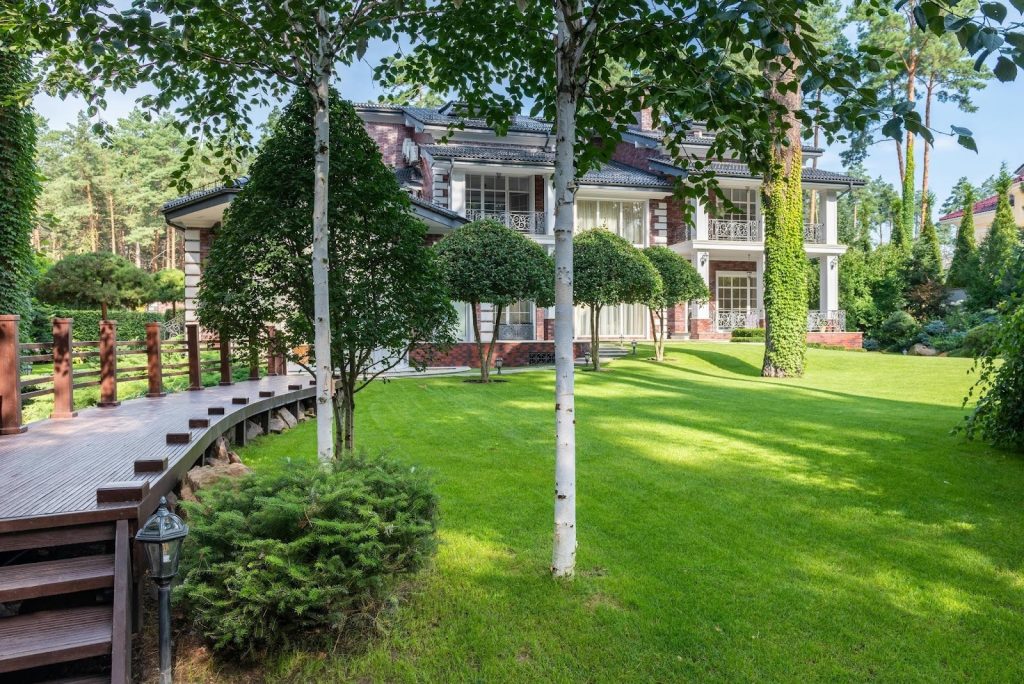
Building great yard steps takes math and creativity. Consistent sizes and quality materials create a path that lasts. This turns a tough slope into a highlight of your home.
Pick colors and textures that match your house and plants. Adding lights and rails provides a final touch of safety. Your yard will look better and be easier to enjoy.