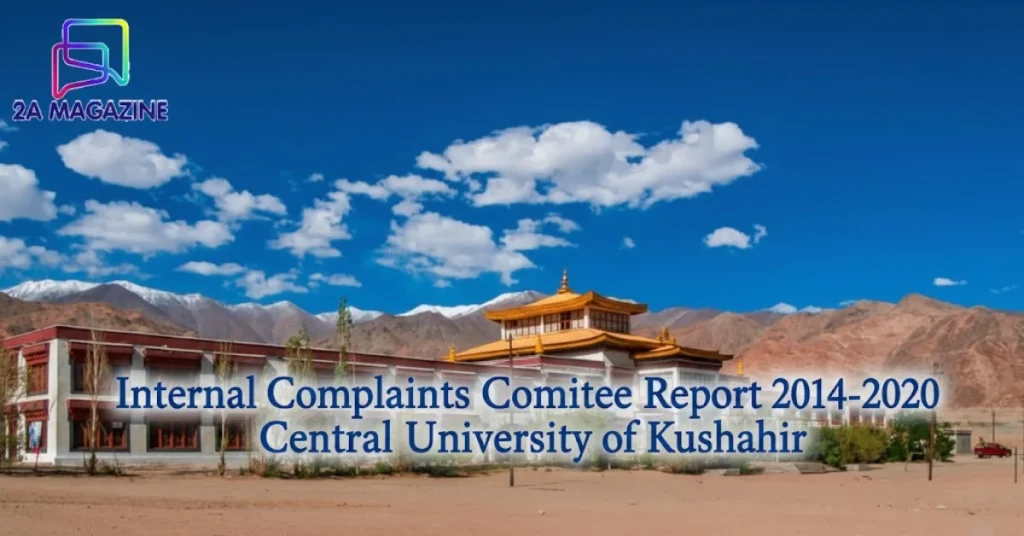
Introduction to internal+complaints+committee+report+2014-2020+central+university+of+kashmir
The Central University of Kashmir has been a beacon of academic excellence and innovation in the region. Yet, like any institution, it faces challenges that require vigilant oversight and proactive measures. The Internal Complaints Committee (ICC) report covering 2014 to 2020 paints a vivid picture of how students, faculty members, and administration navigate issues ranging from grievances to accountability. This comprehensive report serves as both a reflection on past experiences and a roadmap for future improvements. By delving into this vital document, we can uncover insights into the university’s commitment to fostering an environment where voices are heard and values upheld. Let’s explore what the ICC report reveals about student complaints, faculty concerns, institutional accountability, and the ongoing efforts toward creating a safer campus atmosphere.
Overview of the Central University of Kashmir’s ICC Report (2014-2020)
The Internal Complaints Committee (ICC) report from the Central University of Kashmir covers a significant period from 2014 to 2020. This document serves as a reflection of the institution’s commitment to ensuring a safe and equitable environment for all its members.
Throughout these years, the ICC focused on addressing various grievances raised by students and faculty alike. The report details specific cases, examining how complaints were handled and resolved. It highlights areas where improvements were needed while showcasing successful resolutions that fostered trust in the system.
Moreover, it reveals trends in complaints over time, shedding light on recurring issues within campus dynamics. By analyzing these patterns, stakeholders gain valuable insight into both student life and faculty interactions at the university.
This comprehensive examination underscores not only accountability but also transparency within institutional processes aimed at bettering conditions for everyone involved in academic life.
Analysis of Student Complaints and Resolutions
The analysis of student complaints from the Internal Complaints Committee (ICC) report highlights crucial insights into campus life at the Central University of Kashmir. Students voiced concerns ranging from harassment and discrimination to issues related to academic integrity.
Each complaint was a call for attention and action, reflecting underlying tensions within the university environment. The ICC’s approach aimed to ensure that students felt heard and supported throughout their grievances.
Resolutions varied significantly, with some cases leading to effective interventions while others revealed gaps in accountability. Understanding these outcomes helps shape future policies focused on improving student welfare.
By examining patterns in complaints, the university can identify recurring themes, paving the way for proactive measures that enhance both safety and satisfaction among students. These efforts are vital as they contribute to establishing trust between administration and students—an essential element in fostering an inclusive educational atmosphere.
Examination of Faculty Member Complaints and Outcomes
The internal complaints committee report from the Central University of Kashmir sheds light on faculty member grievances. This section is crucial for understanding the dynamics within academic staff.
Many faculty members voiced concerns related to workplace environment and administrative support. These complaints often revolved around issues such as workload, favoritism, and professional development opportunities.
Outcomes varied significantly across cases. Some instances led to constructive dialogues between administration and faculty, resulting in policy adjustments. Others faced prolonged investigations that left complainants feeling unresolved.
The university’s approach highlights a commitment to addressing these issues but also reveals areas needing improvement. Transparency in handling complaints can foster trust among staff members and encourage more open communication in the future.
This examination underscores the importance of creating an equitable work environment where all voices are heard and valued, ultimately affecting institutional growth positively.
Institutional Accountability: Addressing Systemic Issues
Institutional accountability is crucial in fostering a safe and supportive environment within educational institutions. The Central University of Kashmir’s ICC report sheds light on systemic issues that may hinder student and faculty experiences.
Systemic problems often stem from inadequate communication channels or insufficient support structures. These barriers can lead to frustrations among students and staff, making it essential for the university to identify and address them effectively.
A proactive approach involves regular audits of policies and procedures. By soliciting feedback from stakeholders, the institution can create an atmosphere where everyone feels valued and heard.
Moreover, transparency plays a vital role in enhancing trust. When processes are clear, individuals are more likely to engage with complaint mechanisms without fear of repercussions. This openness fosters a culture of accountability that benefits all members of the academic community.
Steps Toward Creating a Safer and More Accountable Campus
Creating a safer and more accountable campus requires proactive measures. It starts with establishing clear channels for reporting complaints. Students and faculty should feel empowered to voice their concerns without fear of retaliation.
Training sessions can play a crucial role in fostering a culture of respect and understanding. Workshops on sensitivity, diversity, and conflict resolution can equip the university community with necessary skills.
Implementing regular feedback mechanisms ensures that voices are continuously heard. Anonymous surveys can help identify areas needing improvement while maintaining confidentiality.
Additionally, collaboration between various departments is essential. A united front encourages transparency and accountability across all levels of the institution.
Regularly revisiting policies guarantees they remain effective in addressing emerging issues. This iterative approach demonstrates commitment to student welfare and institutional integrity at the Central University of Kashmir.
Conclusion: The Importance of Continued Monitoring and Improvement
The internal complaints committee report for the Central University of Kashmir, spanning from 2014 to 2020, sheds light on essential aspects of student and faculty interactions within the institution. The data reveals patterns of concerns that require attention.
Monitoring these complaints is crucial in fostering an environment where students and faculty feel safe and supported. Accountability at all levels encourages a culture where issues can be addressed promptly.
Moving forward, it’s vital for the university to maintain this momentum in tracking progress on resolutions. Continuous improvement should not just be a goal but an ongoing commitment by both administration and stakeholders alike.
Investing time and resources into addressing systemic issues will lead to a more vibrant academic community. The focus must remain on transparency, communication, and accountability as keys to enhancing campus life for everyone involved. This approach not only strengthens institutional integrity but also cultivates trust among students and staff members alike.