Most workdays don’t go sideways because of one big failure. They get bogged down because there’s nowhere to put things. Materials pile up in walkways. Equipment gets shuffled around. Someone wastes twenty minutes looking Temporary storage for something that was set down “just for now” and never quite put away.
That problem shows up across industries, especially during transitions. Expansions, renovations, seasonal surges, or reorganizations all create pressure on space. Permanent solutions take time and commitment, but the work keeps moving. This is usually where temporary storage stops being a stopgap and starts acting like a strategy, even if no one calls it that at first.
Space Pressure Is an Operational Problem
Lack of space isn’t just an inconvenience. It affects workflow, safety, and decision-making. When items don’t have a clear place to go, they end up wherever they fit, which changes how people move through a site and how tasks get done. In industrial settings, materials arrive before they’re needed. Old inventory lingers longer than planned. Tools get shared across teams without a central location. None of this breaks operations outright, but it slows everything down in small, frustrating ways.
Temporary storage works because it absorbs that pressure without forcing permanent change. It gives operations breathing room.
When Temporary Containers Start Making Sense
There’s a moment in many projects where rearranging space no longer helps. Everything has already been pushed to the edges. Temporary fixes start interfering with actual work. That’s usually when outside storage enters the picture.
Before the solution itself comes into focus, the underlying need does. A secure place nearby. Access that doesn’t depend on building availability. Space that can be added or removed without long-term commitment. These requirements tend to surface naturally once internal options are exhausted.
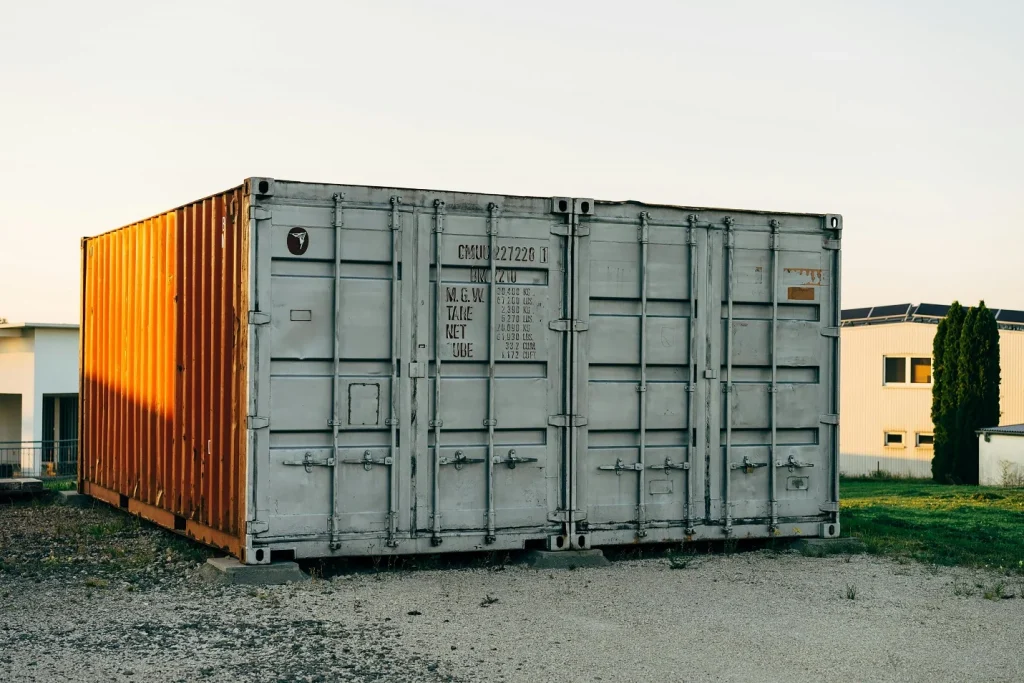
This brings organizations to explore containers for rent as a solution, even if it’s temporary. These containers are a way to stabilize operations while other pieces fall into place. The value isn’t just storage. It’s predictability during periods of change.
Flexibility Beats Permanence During Transitions
Permanent storage solutions are built for stable environments. Temporary storage shines when things are in motion. Construction phases change. Inventory levels fluctuate. Project timelines shift.
Temporary containers adapt to that movement. They can be placed where work is happening, then moved or removed when conditions change. That flexibility reduces the need for constant internal reshuffling, which is where time and focus tend to leak away.
This kind of flexibility also supports decision-making. Instead of locking into a layout too early, teams can test workflows, adjust staging areas, and learn what actually works before committing resources.
Reducing Downtime Without Adding Complexity
One of the quieter benefits of temporary storage is how little it asks of the operation. Once it’s in place, it doesn’t require daily management. Items go in. Items come out. The rest of the system keeps moving.
Compare that to makeshift storage solutions. Overflow rooms. Stacked pallets. Temporary barriers. These options require constant attention. Someone always needs to unlock something, move something, or remember where things were placed.
Temporary storage containers reduce that mental overhead. They don’t solve every problem, but they remove one persistent distraction.
Safety Improves When Space Is Defined
Crowded workspaces increase risk. Trip hazards appear. Equipment blocks exits. Materials get stored too close to active zones. Over time, people adapt to these conditions, which is usually when accidents happen.
Adding defined storage space changes behavior. When materials have a designated place, walkways clear naturally. Work areas stay focused on work. The site becomes easier to read, even for people who aren’t there every day.
This isn’t about adding rules. It’s about giving the environment enough structure that safer habits emerge on their own.
Supporting Scale Without Overbuilding
Many operations hesitate to invest in permanent expansion because demand isn’t guaranteed. Growth might be temporary. Projects might end. Equipment needs might change.
Temporary storage allows scale without overbuilding. Space can be added during peak periods and removed when demand drops. This protects capital and keeps facilities aligned with actual usage instead of projections. In industries where margins matter, this kind of restraint is strategic. It keeps flexibility high and fixed costs lower.
Storage as Part of Workflow Design
The most effective use of temporary storage happens when it’s treated as part of the workflow, not an afterthought. Where it’s placed matters. How often it’s accessed matters. What goes inside matters.
When storage supports natural movement patterns, efficiency improves. Materials are closer to where they’re used. Time spent walking back and forth drops. Interruptions decrease. This doesn’t require complex planning. It requires observation. Watching how people move and adjusting accordingly often produces immediate gains.
Managing Inventory Without Overcrowding
Inventory management is easier when there’s room to breathe. Overstocking inside core work areas creates confusion. Understocking slows production.
Temporary storage provides a buffer. Excess inventory can be staged nearby without overwhelming the primary workspace. Items can be rotated in and out as needed, keeping active areas clean and focused. This buffer also makes audits and counts easier. Inventory stays grouped instead of scattered, which reduces errors and saves time.
Temporary Doesn’t Mean Unreliable
There’s sometimes an assumption that temporary solutions are less secure or less durable. In practice, modern containers are designed for industrial use. They’re weather-resistant, lockable, and built to handle frequent access.
The reliability comes from their simplicity. Fewer moving parts. Clear boundaries. Limited variables. That simplicity often makes them more dependable than improvised internal storage setups.
When Temporary Becomes the Smart Default
In some operations, temporary storage stops being temporary. It becomes a recurring tool, deployed whenever conditions change. New projects. Seasonal shifts. Equipment upgrades.
This doesn’t mean the organization failed to plan. It means it planned for change. Using flexible storage as a standard option allows teams to respond quickly without reinventing solutions each time.
Over time, this approach saves money, reduces stress, and keeps operations resilient.
A Strategic Choice, not a Last Resort
Temporary storage is often framed as a reaction. Something used when space runs out. In reality, it works best when it’s chosen deliberately.
By anticipating space pressure and addressing it early, organizations avoid the cascading problems that come from cluttered environments. Workflow stays smoother. Safety improves. Decisions get easier. When used this way, temporary storage isn’t just about holding things. It’s about protecting momentum. And in industrial settings, momentum is often the most valuable asset there is.
Discover a related post that adds more value to your goals at 2A Magazine.