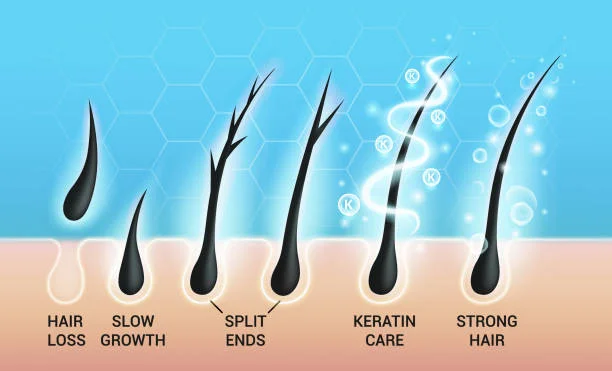
Hair health is influenced by more than just the products you apply externally. While shampoos, conditioners, and styling products play a role, the foundation for stronger, thicker-looking hair often begins internally. Nutrition, lifestyle habits of Hair growth supplements, and consistency all contribute to how hair grows and maintains its strength over time.
Hair growth supplements are designed to support the body with key nutrients that may help promote healthier hair cycles. Understanding how they work — and what to expect — can help set realistic goals.
Nutrients That Support Hair Health
Hair is made primarily of keratin, a protein that depends on certain vitamins and minerals for production and maintenance. Nutrients such as biotin, zinc, iron, and B vitamins are commonly associated with hair health because they support cellular function and healthy growth cycles.
When the body lacks essential nutrients, hair may appear thinner, brittle, or slower to grow. Supplements formulated as the best supplements for hair growth typically combine multiple vitamins and minerals designed to support overall hair strength from within.
It’s also important to recognize that hair health is connected to overall skin health. A balanced approach that includes supportive mens skincare routines can help maintain scalp condition, which plays a role in the environment where hair grows. Likewise, addressing dryness or irritation with targeted skincare for dry skin can contribute to a healthier-looking appearance overall.
Hair growth supplements are not instant solutions, but they may provide nutritional support that helps optimize the natural growth process when combined with a balanced diet and healthy habits.
Consistency and Realistic Timelines
One of the most important factors in evaluating hair supplements is consistency. Hair grows in cycles, and visible changes often take time. On average, hair grows about half an inch per month, meaning noticeable improvements in thickness or fullness may take several months.
Because of this, supplements should be viewed as part of a long-term approach rather than a quick fix. Skipping doses or expecting dramatic changes within weeks can lead to frustration. Instead, consistent daily use allows nutrients to build over time and support the body’s natural processes.
It’s also helpful to maintain realistic expectations. Supplements can support hair health, but they work best when paired with overall wellness habits such as balanced nutrition, stress management, and proper scalp care.
Ultimately, hair growth supplements support thicker, healthier hair by providing the body with nutrients that may be missing from daily intake. With patience and consistency, they can become a valuable part of a broader routine focused on strength, resilience, and long-term hair health.
Read the featured post to stay ahead of the curve at 2A Magazine.