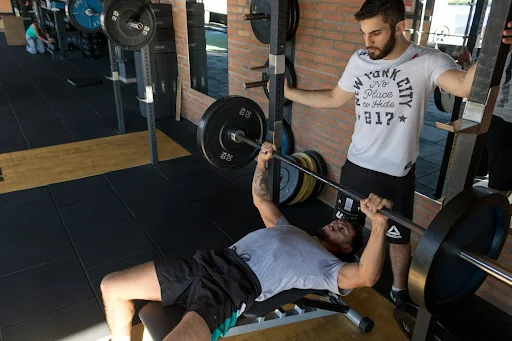
Gym injuries rarely come from one bad workout. They usually build slowly from poor movement, weak support muscles, or joints that do not move well. Many people keep training through small aches, thinking soreness is normal. Over time, those small issues turn into real injuries. Physical therapy helps identify these problems early and mitigate the risk of injury before pain forces you to stop training. With year-round gym access and outdoor workouts, South Florida physical therapy clinics play a key role in keeping active people moving safely.
Common Gym Injuries
Shoulder pain, knee strain, and lower back discomfort are among the most common gym injuries. These often come from repeated lifting with poor form or muscle imbalances. Ankle and foot issues also appear frequently due to running and jumping exercises. Most of these problems begin as tightness or stiffness, not sharp pain. South Florida physical therapy clinics focus on recognizing early warning signs so injuries do not progress into long recovery periods that interrupt fitness routines.
Why Gym Injuries Are Different in South Florida
Training conditions in South Florida add unique stress to the body. Heat and humidity increase fatigue, which often leads to sloppy form. Outdoor workouts on pavement or sand place extra strain on joints. Many people train year-round without rest seasons, increasing overuse injuries. South Florida physical therapy programs help athletes adjust training volume and movement patterns so the body can handle these conditions. Without guidance, the risk of breakdown increases even for experienced gym-goers.
What Physical Therapy Does to Prevent Gym Injuries
Physical therapy works by correcting the root causes of injury, not just treating pain. Therapists identify muscle imbalances, limited joint motion, and poor movement habits. Exercises are designed to strengthen stabilizing muscles that protect joints during workouts. South Florida physical therapy sessions also improve body awareness, helping people move more efficiently. This approach allows gym members to continue training while reducing injury risk instead of stopping activity completely.
Movement Screening and Injury Risk Checks
Movement screening looks at how the body moves during basic actions like squatting, pushing, pulling, and rotating. Small flaws often go unnoticed during regular workouts. These flaws slowly overload joints and muscles. Physical therapy uses movement checks to spot weak links early. Fixing small issues now prevents bigger injuries later. It is like fixing a loose bolt before the entire machine fails under pressure.
Strengthening the Right Muscles for Injury Prevention
Strong muscles alone do not prevent injury. The right muscles must work together. Core strength protects the spine during lifts. Glutes support the knees and hips. Shoulder stabilizers keep pressing movements safe. Ankle strength improves balance and control. South Florida physical therapy plans target these support muscles that gyms often overlook. Think of big muscles as the engine and small muscles as the steering. Both are needed for safe performance.
Flexibility and Mobility Training for Gym Safety
Limited mobility forces the body to compensate during exercises. Tight hips can overload the lower back. Stiff shoulders strain the neck and elbows. Poor ankle mobility affects balance and power. Physical therapy improves flexibility where it matters most for gym movements. Better joint motion allows exercises to feel smoother and safer. When joints move correctly, the risk of strain drops significantly during workouts.
Physical Therapy vs Rest After Minor Gym Pain
Rest can reduce soreness, but it does not fix movement problems. Many people rest until pain fades, then return to the gym only to feel it again. A well structured South Florida physical therapy program addresses why the pain started in the first place. It corrects faulty movement patterns and strengthens weak areas. Ignoring the cause is like repainting over a crack in the wall. The problem always comes back without proper repair.
Injury Prevention for Different Gym Goals
Different training goals create different injury risks. Weightlifters need joint stability and proper lifting mechanics. Cardio-focused athletes need balanced strength to protect knees and hips. Cross-training athletes need recovery support and movement control. Beginners need proper form from the start. South Florida physical therapy specialists adapt injury prevention strategies to each training style, helping people progress safely no matter their fitness level.
How Physical Therapy Supports Long-Term Fitness Progress
Consistency is the key to long-term fitness success. Injuries disrupt progress more than missed workouts. South Florida physical therapy sessions help reduce setbacks by keeping the body balanced and resilient. Pain-free movement builds confidence and encourages steady training. When exercises feel better, results improve naturally. Physical therapy supports sustainable progress instead of short bursts of training followed by long breaks due to injury.
When to Start Physical Therapy for Injury Prevention
Physical therapy should begin before pain becomes constant. Repeated soreness in the same area is a warning sign. Strength plateaus, reduced flexibility, or discomfort during warm-ups also signal risk. A South Florida physical therapy expert is especially helpful when increasing workout intensity or changing routines. Starting early prevents minor issues from becoming major injuries that require extended recovery time.
Final Thoughts
Gym injuries rarely appear overnight. They develop quietly through poor movement, imbalance, and overuse. South Florida physical therapy experts help break that cycle by identifying problems early and correcting them before pain takes control. In a region where fitness is part of everyday life, prevention matters more than reaction. Physical therapy improves movement quality, joint stability, and recovery so training stays consistent. When the body moves better, workouts feel easier and results last longer. Physical therapy is not just for recovery. It is a smart tool for staying active, strong, and injury-free over the long term.