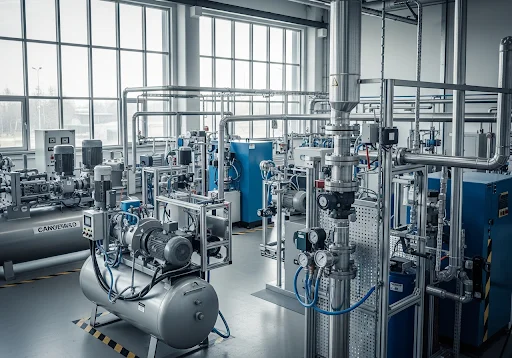
For decades, pneumatic systems have served as the backbone of industrial automation, harnessing the power of compressed air to drive machinery with exceptional speed, cleanliness, and dependability. While other technologies have come and gone, pneumatics has endured because it delivers what industry needs most: a cost-effective solution that operates safely without the mess and complexity of hydraulic fluids.
Engaging Introduction
Core Components of Pneumatic Systems
The appeal is clear—these systems respond almost instantly and demand minimal upkeep, making them irresistible to facilities focused on maximizing efficiency. At the heart of many pneumatic operations, air tools have become indispensable, allowing workers to tackle everything from precision drilling to fastening operations with the kind of consistency that keeps production lines humming in workshops and factories around the globe.
Getting to grips with pneumatic systems means understanding their fundamental building blocks and how these pieces work in harmony to produce controlled motion. Everything starts with compressors, which create and sustain the compressed air that breathes life into the entire system—most industrial setups run comfortably at pressures ranging from 80 to 120 PSI.
The essential components work as follows:
– Compressors: Generate and maintain consistent air pressure throughout the network
– Valves: Control and direct airflow, with specialized check valves preventing unwanted backflow
– Actuators: Transform compressed air energy into useful mechanical work via cylinders and motors
– Hoses and Fittings: Deliver air reliably through leak-proof, airtight connections
These elements connect through precisely designed pathways where compressed air travels from the compressor, passes through control valves, and reaches actuators to create either straight-line or rotational movement. Pressure regulation becomes absolutely crucial when precision matters, with flow rates fine-tuned to meet the demands of each specific task. The whole system’s performance hinges on maintaining proper pressure differences while keeping air loss to a minimum through smart component positioning and high-quality connections.
Advantages Driving Industrial Adoption
Pneumatic systems have earned their place in industry through a combination of practical benefits that tackle real operational challenges head-on. Cost-effectiveness tops the list—these systems boast straightforward designs with reasonably priced parts that are easy to find when replacements are needed. Unlike their hydraulic counterparts, pneumatic components don’t require specialized expertise for setup or repairs, making them accessible to a broader range of technicians.
Safety considerations make pneumatics especially attractive in hazardous or delicate environments. There’s no risk of electrical sparks or contamination from leaked fluids—these systems run clean and eliminate the environmental headaches that come with other power sources. The speed factor is equally impressive, with pneumatic actuators responding in mere milliseconds, enabling rapid cycling that leaves manual operations in the dust.
Picture a busy packaging line where pneumatic systems handle rapid-fire sealing operations without any risk of contamination. The spotless operation protects product quality while delivering the lightning-fast throughput that modern manufacturing demands. Stack this up against hydraulic alternatives, and pneumatics wins on weight, maintenance simplicity, and environmental safety—no worries about fluid spills causing problems down the line.
Applications Across Key Industries
Automotive and Manufacturing
The automotive world couldn’t function without pneumatic systems powering everything from air brake systems and tire inflation to painting booths and welding robots. Assembly lines depend on pneumatic tools for bolting and grinding tasks where consistent torque and speed make all the difference. Engine repair shops particularly appreciate pneumatic precision—controlled air pressure means faster work without compromising the strict safety standards that automotive service demands.
Food, Beverage, and Packaging
These sectors lean heavily on pneumatic conveying systems for moving powders and granules, filling systems for beverages, and cleaning operations before packaging begins. Regulatory compliance in food and beverage requires absolutely clean, dry air operation, making pneumatics the natural choice for meeting stringent hygiene standards. Pallet handling systems use compressed air to shuffle products efficiently while avoiding any contamination that could jeopardize food safety.
Construction and Material Handling
Construction sites showcase pneumatic muscle through jackhammers that power through concrete, pneumatic saws, nail guns, and bulk material conveyors. These tools take the physical burden off workers while delivering the high-force, repetitive action that construction jobs demand.
Industry
Primary Applications
Key Benefits
Automotive
Brakes, painting, assembly
Speed, precision
Packaging
Filling, conveying
Cleanliness, efficiency
Construction
Drilling, nailing
Power, portability
Maintenance Best Practices for Reliability
Smart pneumatic system maintenance revolves around regular inspections and staying ahead of problems. Routine checks should cover hose inspections for leaks, lubrication of moving parts, compressor filter monitoring, and control valve calibration. Pressure testing protocols catch potential trouble spots before they shut down operations—a small investment that pays big dividends in uptime.
Backflow problems rank among the most common failure modes, which makes check valve inspection particularly critical. Manufacturing facilities that stick to scheduled pneumatic system audits typically slash downtime by around 20% simply by catching and fixing issues early.
Key maintenance practices include:
– Drain compressor moisture regularly to ward off corrosion
– Conduct quarterly air leak tests using systematic inspection techniques
– Replace filters on schedule per manufacturer recommendations to keep air quality high
Final Reflections on Pneumatic Efficiency
Pneumatic systems have staying power because they deliver on their core promises: simplicity, safety, and adaptability across an enormous range of industrial uses. These qualities make scalable automation possible with minimal environmental footprint, establishing pneumatics as a technology that will remain relevant as industrial needs continue evolving.
Companies looking to boost operational performance should seriously consider where pneumatic integration might work for tasks requiring clean, rapid power delivery. Understanding component specifications and grasping system requirements upfront ensures the right setup for each specific application, helping organizations capture the full efficiency benefits these time-tested systems bring to industrial environments everywhere.