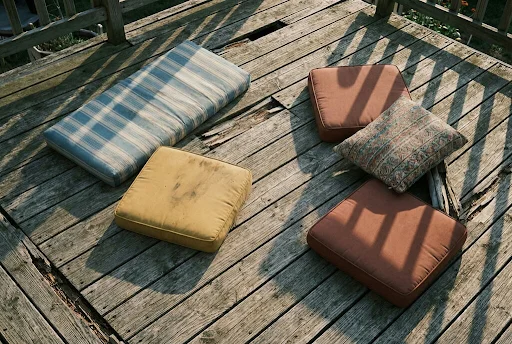
Fifteen years of curating outdoor living spaces has taught me one enduring truth: the longevity of a porch’s charm rests almost entirely on the care of its cushions. Whether you’ve got a set of wicker chairs on your front porch or a full outdoor sectional on the back patio, those cushions are going to get dirty. Its just inevitable. Between pollen, bird droppings, spilled drinks, and the general grime that comes with being outside, porch cushions take a beating. The good news? Most of them can be brought back to looking pretty darn close to new with the right approach.
Before we dive into the cleaning methods, I want to mention something important. The longevity of your cushions really starts with quality materials and construction. If your current cushions are beyond saving or you’re thinking about upgrading, investing in custom-made outdoor cushions with weather-resistant fabrics can save you a lot of headaches down the road. Quality cushions with proper outdoor fabric are designed to resist mold, mildew, and fading, which makes the cleaning process way easier when you do need to tackle it.
Understanding Your Cushion Materials
Not all porch cushions are created equal, and knowing what your dealing with is the first step to cleaning them properly. The material of both the cover fabric and the inner filling will determine what methods you can safely use.
Acrylic Fabrics (Sunbrella and Similar)
Acrylic outdoor fabrics like Sunbrella are the gold standard for porch cushions these days. They’re solution-dyed, which means the color goes all the way through the fiber rather than just sitting on top. This makes them incredibly fade-resistant and also means you can be more agressive with cleaning without worrying about ruining the color. These fabrics are also naturally resistant to mold and mildew, though they can still accumulate surface mold if left damp for extended periods.
Polyester and Olefin Fabrics
Many budget-friendly outdoor cushions use polyester or olefin fabrics. These are decent performers outdoors but generally don’t hold up quite as well as acrylic options over time. They’re more prone to fading and can be slightly more delicate when it comes to cleaning. You’ll want to avoid using bleach on polyester in particular, as it can damage the fibers and cause yellowing.
Cotton and Cotton Blends
Some porch cushions, especially those designed for covered porches or screened-in areas, might have cotton or cotton-blend covers. These require the most careful approach to cleaning because cotton absorbs water readily and can shrink if exposed to hot water. Cotton is also more susceptible to mold and mildew growth, so thorough drying is absolutley critical.
Basic Cleaning: Your Weekly and Monthly Routine
Keeping up with regular maintenance is honestly the best thing you can do for your porch cushions. A little effort each week prevents the kind of deep-set grime that requires more intensive cleaning later.
Weekly Maintenance
Every week, take a few minutes to brush off loose debris from your cushions. Use a soft-bristled brush or even just your hands to remove leaves, pollen, and dust. Flip the cushions over if possible to prevent uneven wear and fading. This might seem too simple to matter, but letting debris sit on your cushions creates a moisture trap that promotes mold growth and can actually stain the fabric over time.
If you have removable cushion covers, give them a good shake to dislodge any dirt thats worked its way into the fabric weave. For cushions that stay on furniture all the time, consider standing them on their edge periodically to let air circulate and prevent moisture accumulation on the bottom surface.
Monthly Light Cleaning
Once a month during the outdoor season, give your cushions a more thorough cleaning. Mix a solution of mild dish soap and lukewarm water—about a tablespoon of soap per gallon of water works well. Use a soft cloth or sponge to wipe down the entire surface of each cushion, paying attention to areas that get the most contact like armrests and seat centers.
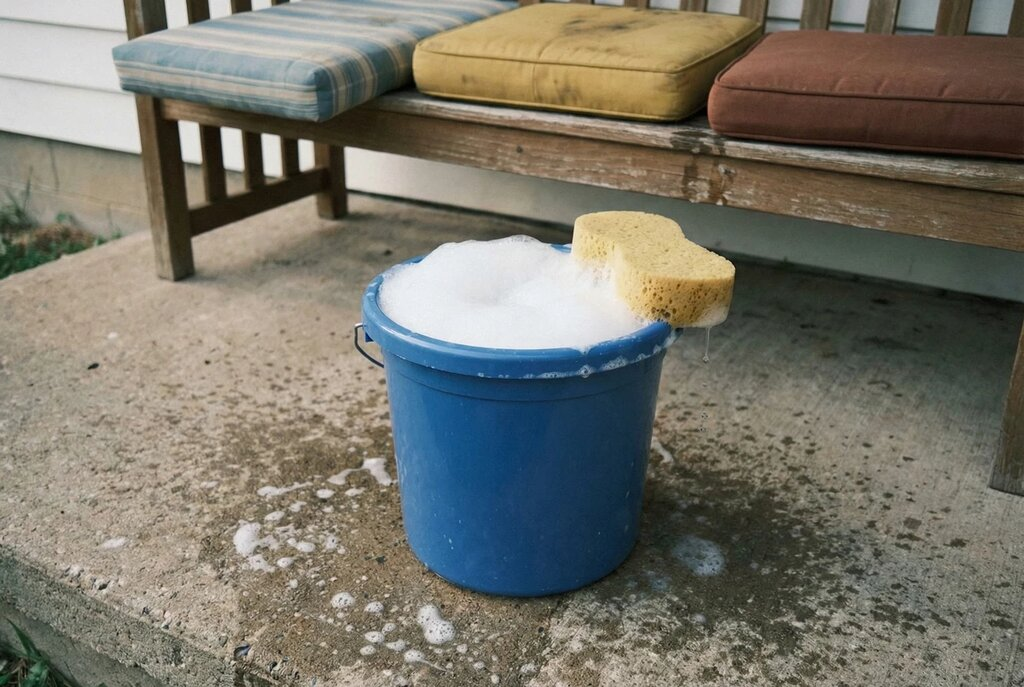
After scrubbing, rinse thoroughly with clean water from a garden hose. This step is important—leaving soap residue on the fabric can actually attract more dirt and may cause the fabric to feel stiff or sticky. Let the cushions dry completely in the sun before putting them back on your furniture. And I mean completely dry, not just dry to the touch. The foam core holds moisture way longer than you’d expect.
Deep Cleaning Methods for Stubborn Stains
Sometimes regular cleaning just isn’t enough. Maybe you left your cushions out during a particularly bad pollen season, or perhaps someone spilled red wine at your last barbecue. Whatever the case, these methods will help tackle more serious cleaning challenges.
The Borax Method
Borax is a natural mineral compound that works wonderfully on outdoor fabrics. It’s effective against mold and mildew while being gentle enough not to damage most cushion materials. Mix about a quarter cup of borax with a quart of warm water until dissolved. Apply the solution to stained areas using a spray bottle or soft brush, let it sit for fifteen to twenty minutes, then scrub gently and rinse thoroughly.
This method works particularly well for organic stains like food spills, grass stains, and bird droppings. The borax helps break down organic matter while also deodorizing the fabric. I’ve used this on some pretty nasty stains and been genuinly surprised by the results.
Oxygen-Based Bleach for Mold and Mildew
For cushions showing signs of mold or mildew—those telltale black or green spots, or a musty smell—oxygen-based bleach (like OxiClean) is your best friend. Unlike chlorine bleach, oxygen bleach is color-safe for most fabrics and won’t damage the fibers. Mix according to package directions, usually about a scoop per gallon of warm water, and either soak the cushion covers if they’re removable or apply the solution generously to the affected areas.
Let the solution work for at least thirty minutes, longer for serious mold problems. You might need to scrub with a soft brush to help lift embedded mold spores. Rinse extremely well—I usually do two or three rinse cycles—and then dry the cushions in direct sunlight. UV light from the sun naturally kills remaining mold spores and helps prevent regrowth.
Vinegar Solution for General Brightening
White vinegar is another natural option that’s particularly good for general fabric brightening and deodorizing. Mix equal parts white vinegar and water in a spray bottle. Spray the entire cushion surface, let sit for about ten minutes, then rinse with clean water. The vinegar smell dissipates as the cushion dries, leaving behind fresh-smelling fabric.
A word of caution though: vinegar is acidic and shouldn’t be used on natural stone surfaces nearby, as it can etch the stone. Also avoid using vinegar on cushions with metal trim or buttons, as it can cause corrosion over time.
Cleaning Different Types of Porch Cushions
Different cushion styles present different cleaning challenges. Heres how to approach some common types.
Bench Cushions
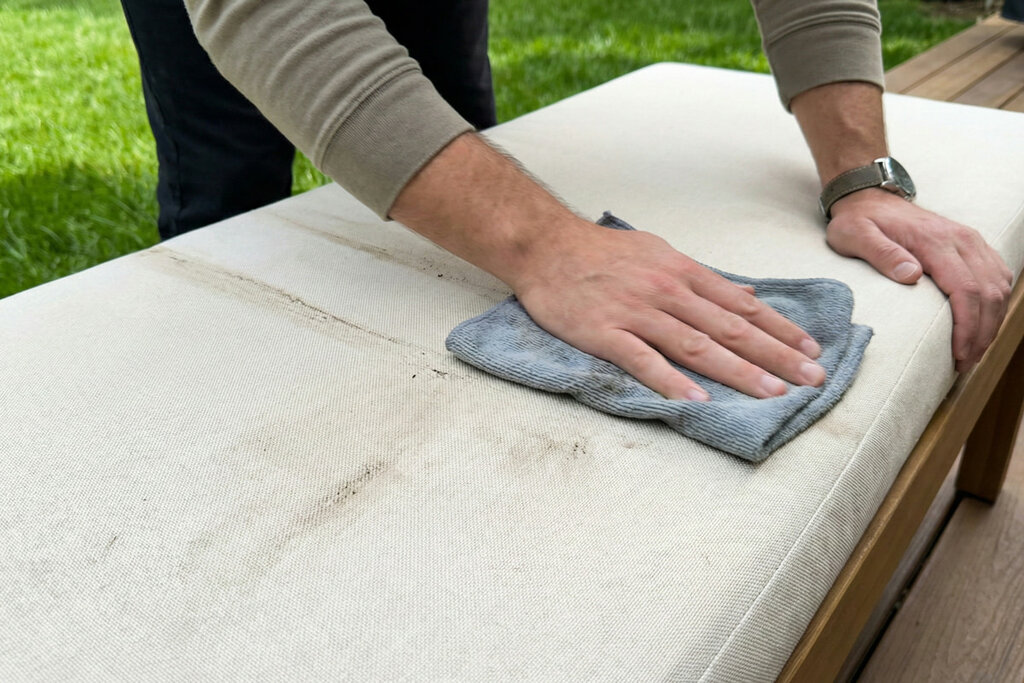
Bench cushions tend to be larger and often have ties or straps to secure them to the furniture. When cleaning, remove the ties first if possible and clean them seperately—they often get dirtier than the main cushion because they hang down and collect debris. For the cushion itself, the large surface area can make it tricky to clean evenly. Work in sections, and try to keep your cleaning solution and rinsing consistent across the entire surface to avoid water marks.
Chair Cushions with Ties
Chair cushions with ties are usually easier to handle due to their smaller size. Most can be fully submerged in a tub or large bucket for soaking if needed. The key with these is making sure the tie attachment points dry thoroughly, as water can pool in these areas and cause mold to develop from the inside out. After cleaning, I like to hang these cushions vertically so any trapped water can drain from the tie holes.
Thick Seat Cushions and Deep Seat Styles
Thicker cushions present the biggest drying challenge. The foam core can retain moisture for days, creating a perfect environment for mold growth inside the cushion even while the outside appears dry. For these cushions, I strongly recommend removing the cover and cleaning it seperately from the foam insert when possible. If the cover isn’t removable, you may need to use a wet-dry vacuum to extract as much water as possible from the foam after cleaning.
Stand thick cushions on their edge in a well-ventilated area and consider using a fan to speed up drying. In humid climates, bringing the cushions into an air-conditioned space for drying can help significantly.
Special Situations and Tough Stains
Tree Sap
Tree sap is one of the most frustrating things to get off porch cushions. Don’t try to scrub it while it’s sticky—you’ll just spread it around. Instead, place a few ice cubes in a plastic bag and hold it against the sap until it hardens. Once brittle, you can often chip or scrape most of it off. For residue that remains, apply a small amount of rubbing alcohol or hand sanitizer, let it sit briefly, then blot away. Follow up with your regular soap and water cleaning.
Rust Stains
Rust stains from metal furniture frames are common on porch cushions. Lemon juice works suprisingly well here—the citric acid helps dissolve rust. Saturate the stain with lemon juice, sprinkle a bit of salt on top to create a gentle abrasive, and let it sit in direct sunlight for a couple hours. The combination of acid and UV light breaks down the rust. Rinse thoroughly afterward.
Sunscreen and Oil-Based Stains
Sunscreen stains are increasingly common and can be tricky because they’re oil-based. Start by blotting (never rubbing) to absorb excess oil. Then sprinkle cornstarch or baking soda on the stain to absorb remaining oil—let it sit for fifteen minutes before brushing away. Follow up with a dish soap solution, as dish soap is designed to cut through grease and oils.
Protecting Your Cushions After Cleaning
After all that work cleaning your cushions, you’ll want to keep them looking good as long as possible. Here are some strategies that actually make a difference.
Consider applying a fabric protector spray designed for outdoor use. Products like 303 Fabric Guard or Scotchgard Outdoor create a barrier that helps repel water and stains. Reapply after each deep cleaning or at the beginning of each outdoor season.
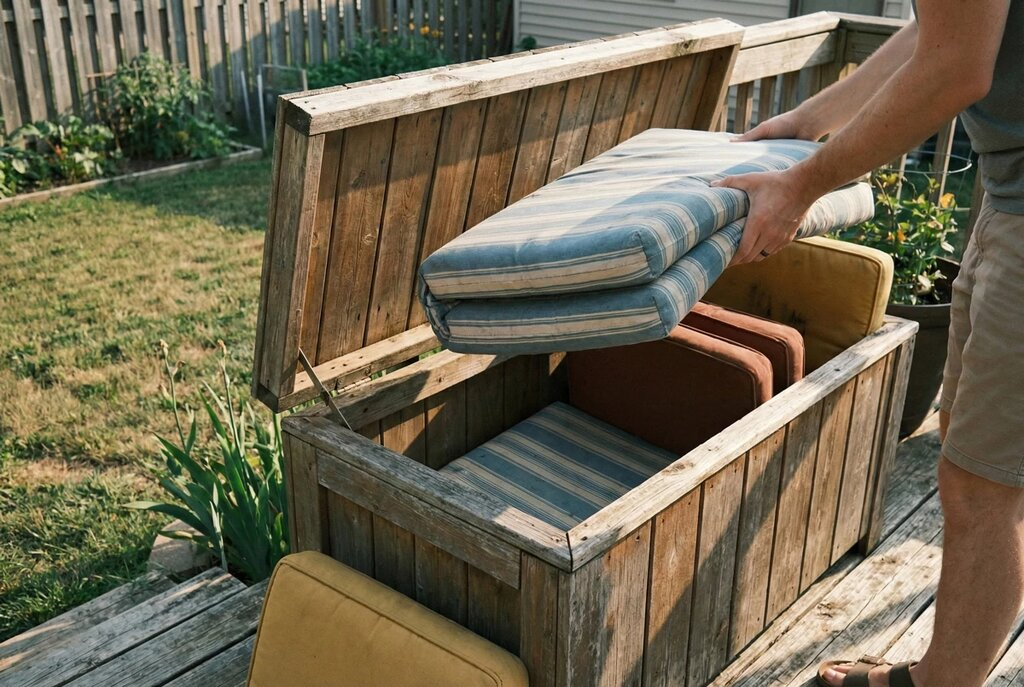
When cushions aren’t in use, store them in a dry location. Even water-resistant fabrics benefit from being kept out of the elements when possible. A deck box, storage bench, or even bringing cushions inside during extended rainy periods can significantly extend their lifespan.
When Its Time to Replace Instead of Clean
Sometimes cushions are beyond saving. If the foam core has broken down and no longer provides support, if the fabric is severely faded or has multiple tears, or if mold has penetrated deep into the foam despite cleaning attempts, it’s probably time to invest in new cushions. Continuing to use cushions in poor condition isn’t just uncomfortable—compromised outdoor fabrics can harbor allergens and bacteria that cleaning won’t fully eliminate.
When shopping for replacements, look for cushions with removable, washable covers and foam designed for outdoor use. Paying a bit more upfront for quality materials will save you time and frustration with maintenance in the long run.
Final Thoughts
Keeping your porch cushions clean doesn’t have to be overwhelming. Regular light maintenance prevents most serious problems, and when deeper cleaning is needed, the methods I’ve shared here should handle almost any situation you encounter. The key is matching your cleaning approach to your specific cushion materials and addressing stains promptly before they have a chance to set.
Your outdoor space should be a place of relaxation, not stress. With clean, fresh cushions on your porch furniture, you can actually enjoy sitting outside instead of cringing at the dirt every time you walk by. Trust me, once you establish a good cleaning routine, it becomes second nature and takes very little time to maintain that fresh, inviting look all season long.