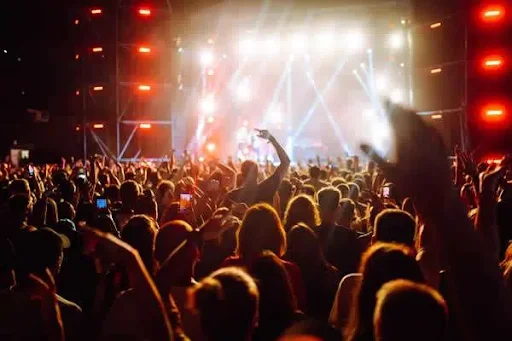
Los Angeles pulses with energy. From the red carpets of Hollywood premieres to the sun-soaked music festivals in downtown parks, from exclusive Malibu weddings to massive conventions at the LA Convention Center, the City of Angels hosts more events than perhaps any other metropolis in America. But beneath the glamour and excitement of LA’s vibrant event landscape lies a growing concern that has transformed from optional consideration to absolute necessity: comprehensive professional security.
The statistics paint a sobering picture. Event-related security incidents in Los Angeles have risen steadily over the past decade, mirroring national trends but amplified by the city’s unique characteristics. High-profile venues, celebrity attendees, massive crowds, and the city’s complex urban geography create a perfect storm of security challenges that demand sophisticated, professional responses. Today, event security in Los Angeles isn’t just about checking tickets at the door—it’s about threat assessment, crowd management, emergency response coordination, and creating safe environments where thousands of people can gather without fear.
Los Angeles: A City Built for Events, Challenged by Complexity
Los Angeles hosts an estimated 100,000+ events annually, ranging from intimate gallery openings in Downtown Arts District to Coachella’s 125,000-person weekend crowds in nearby Indio. The city’s event calendar reads like a greatest-hits compilation of American entertainment: award shows that draw global attention, music festivals that define cultural moments, sporting events at world-class venues, corporate conferences attracting international business leaders, and private celebrations leveraging LA’s unmatched event infrastructure.
This concentration of high-profile gatherings creates unique security imperatives. Celebrity attendees require discreet but effective protection from overzealous fans and potentially dangerous individuals. Large crowds present logistical challenges amplified by LA’s sprawling geography and traffic congestion that complicate emergency response. The city’s international profile makes certain events potential targets for those seeking maximum media exposure. Meanwhile, the entertainment industry’s competitive nature means proprietary information, unreleased content, and exclusive experiences require protection from unauthorized recording and distribution.
The city’s geography compounds these challenges. LA isn’t a compact urban core but a vast sprawl encompassing beaches, mountains, valleys, and dense urban neighborhoods. Events occur across this diverse landscape, from rooftop venues in Downtown LA to beachfront properties in Santa Monica, from hillside estates in the Hollywood Hills to warehouses in the Arts District. Each location presents distinct security considerations shaped by access points, neighboring properties, local crime patterns, and available infrastructure.
The Evolution of Event Security: From Bouncers to Strategic Operations
Event security has undergone radical transformation over the past two decades. The stereotypical nightclub bouncer—intimidating presence, minimal training, reactive approach—has given way to professionally trained security personnel who combine physical capabilities with de-escalation skills, legal knowledge, and technological proficiency.
Modern event security professionals in Los Angeles often possess backgrounds in law enforcement, military service, or specialized security training programs. They understand crowd psychology, recognize pre-incident indicators, communicate effectively under pressure, and operate sophisticated security technology. Many hold certifications in first aid, CPR, active shooter response, and crowd management. The best security teams approach events not as isolated assignments but as complex operations requiring advance planning, coordinated execution, and post-event analysis.
This evolution reflects changing threat landscapes. Twenty years ago, event security primarily addressed intoxicated guests, gate crashers, and minor altercations. Today’s security professionals must prepare for active shooter scenarios, terrorist threats, drone surveillance, cyber threats targeting event infrastructure, medical emergencies in large crowds, and coordinated theft operations. The professionalization of event security responds to these escalating challenges with training, technology, and strategic thinking that matches threat sophistication.
Los Angeles leads this evolution. The city’s concentration of high-profile events has created a competitive security industry where companies continuously innovate to meet client demands. Lessons learned from incidents nationwide inform LA security protocols. Technology developed for celebrity protection filters down to corporate events. Training programs created for award show security enhance safety at music festivals. This ecosystem of innovation makes Los Angeles event security among the world’s most advanced.
Understanding Modern Event Security Threats
Effective security begins with understanding what you’re protecting against. Los Angeles events face diverse threat categories, each requiring specific countermeasures and response protocols.
Unauthorized Access and Gate Crashing
Perhaps the most common security challenge involves individuals attempting to access events without proper credentials. Motivations range from fans seeking proximity to celebrities, to individuals wanting social media content from exclusive events, to thieves targeting high-end gatherings for valuables or reconnaissance.
Gate crashing has become more sophisticated. Social engineering tactics exploit staff unfamiliarity with legitimate guests. Counterfeit credentials grow increasingly convincing. Groups coordinate elaborate schemes involving distractions, false emergencies, or exploiting credential-sharing among legitimate guests.
Professional security addresses this through multi-layered credential verification systems, trained personnel who recognize common tactics, coordination between door staff and roaming security, and technology including RFID wristbands and digital ticketing that’s difficult to counterfeit. The goal isn’t just keeping unauthorized people out but doing so efficiently without creating frustrating experiences for legitimate attendees.
Crowd Management and Capacity Control
Los Angeles has learned painful lessons about crowd management failures. The 2021 Astroworld tragedy in Houston, where 10 people died in a crowd crush, sent shockwaves through the event security industry nationwide. While that incident occurred outside LA, it prompted comprehensive reviews of crowd management protocols at Los Angeles venues.
Dangerous crowd conditions develop through various mechanisms. Overcrowding beyond venue capacity creates dangerous density where people cannot move freely. Uncontrolled surges toward stages or entry points can trap individuals. Panic responses to perceived threats trigger stampedes. Inadequate egress planning turns emergencies into catastrophes when people cannot evacuate quickly.
Professional event security monitors crowd density continuously, uses barriers and personnel to control flow patterns, maintains multiple emergency exits with clear signage and staffing, communicates with crowds proactively to prevent panic, and coordinates with venue operators on capacity enforcement. Advanced operations employ crowd analytics software processing video feeds to identify dangerous density patterns before they become critical.
Alcohol and Substance-Related Incidents
Los Angeles events frequently serve alcohol, creating inevitable security considerations. Intoxicated guests become confrontational, make poor decisions regarding consent and personal safety, require medical attention, or create liability for event organizers through drunk driving or injuries.
Beyond alcohol, Los Angeles’s ongoing challenges with illicit substances mean event security must address drug use, overdoses, and distribution. The rise of fentanyl has made drug-related medical emergencies potentially fatal, requiring security personnel trained in overdose recognition and naloxone administration.
Effective approaches balance safety with hospitality. Security monitors consumption patterns, identifying over-intoxicated individuals before they create problems. Trained staff de-escalate alcohol-fueled conflicts through verbal techniques rather than physical confrontation when possible. Medical personnel on-site provide immediate care for substance-related emergencies. Clearly communicated policies regarding acceptable behavior set expectations while fair, consistent enforcement prevents discrimination claims.
Theft and Property Crime
High-end Los Angeles events attract sophisticated criminals targeting valuable property. Celebrity attendees wear expensive jewelry and accessories. Corporate events showcase prototype technology or proprietary information. Private celebrations feature lavish gifts. Even coat checks at upscale venues contain thousands of dollars in personal items.
Organized theft rings sometimes work events, with individuals posing as legitimate guests, vendors, or even staff to access restricted areas. They conduct reconnaissance, identifying valuable targets and security gaps. Coordinated teams create distractions while accomplices steal property. Some operations target specific items with high resale value like designer handbags, watches, or electronics.
Security countermeasures include controlled access to restricted areas, asset tracking for high-value items, secure storage for guest belongings with accountability systems, surveillance covering vulnerable areas, and trained security recognizing suspicious behavior patterns. For ultra-high-value events, undercover security personnel blend with guests, identifying threats that uniformed security might not observe.
Violence and Physical Altercations
Despite best efforts, conflicts sometimes escalate to physical violence at events. Disagreements between guests, territorial disputes at nightlife venues, romantic jealousy, gang-related tensions, or simply alcohol-fueled aggression can result in fights that endanger participants and bystanders.
Los Angeles’s gang landscape adds complexity to some events, particularly those in neighborhoods with active gang presence. Security must recognize gang identifiers, understand territorial sensitivities, and prevent confrontations that could escalate into serious violence. This requires cultural competency and relationships with community stakeholders who help navigate these dynamics.
Professional security de-escalates conflicts before they become physical through early recognition of tension, verbal intervention techniques, strategic positioning to discourage aggression, and rapid response when violence does occur. The goal is always separating aggressors and minimizing harm rather than engaging in extended physical altercations. Well-trained security can often prevent violence entirely through presence and communication.
Active Threats and Terrorism
While statistically rare, active shooter incidents and terrorist attacks represent catastrophic risks that event security must prepare for. Los Angeles’s profile as an entertainment capital and symbol of American culture makes certain events theoretically attractive targets for those seeking maximum impact.
The 2017 Las Vegas shooting at the Route 91 Harvest music festival, which killed 60 people and wounded over 400, fundamentally changed how event security approaches mass gatherings. Though it occurred outside LA, the incident prompted comprehensive security reviews at Los Angeles venues, particularly outdoor concerts and festivals where perimeter security is challenging.
Modern threat preparedness includes advance threat assessment identifying potential risks, visible and covert security deterring opportunistic attacks, surveillance detecting suspicious behavior or reconnaissance, evacuation planning with multiple egress routes, coordination with law enforcement for rapid armed response, and medical response capabilities for mass casualty incidents. Many large-scale LA events now include tactical security teams, K-9 units, and technology like vehicle barriers preventing truck attacks.
Medical Emergencies
Large gatherings inevitably produce medical emergencies ranging from minor injuries to life-threatening conditions. Heat exhaustion at outdoor summer events, cardiac emergencies among attendees of all ages, allergic reactions, slip-and-fall injuries, and drug overdoses all require immediate medical response.
Los Angeles’s warm climate creates particular heat-related risks at outdoor events. The city’s diverse population includes people with varying health conditions and medication regimens affecting heat tolerance. Dense crowds at festivals can make it difficult for attendees to stay hydrated or find shade.
Professional event security coordinates with medical personnel to establish first aid stations, create clear emergency access routes for ambulances, train security staff in basic first aid and emergency recognition, maintain communication systems for rapid medical dispatch, and implement preventive measures like water distribution and cooling areas. Quick recognition and response often mean the difference between a manageable medical situation and a tragedy.
Cyber and Information Security
Modern events rely heavily on technology vulnerable to cyber threats. Digital ticketing systems, cashless payment processing, surveillance networks, access control databases, and communication systems all present potential attack surfaces.
Cybercriminals might target event infrastructure to steal payment information, disrupt operations for ransom, or access attendee data for identity theft. Competitors or malicious actors might deploy drones for unauthorized surveillance or recording of exclusive events. Insider threats involve staff or vendors with system access who might exploit their position.
Comprehensive event security now includes cybersecurity components addressing network security, data encryption, access control for digital systems, drone detection and countermeasures, and information security protocols protecting sensitive event details. For high-profile events, cybersecurity specialists work alongside physical security teams, recognizing that modern threats don’t respect the boundary between digital and physical domains.
The Event Security Ecosystem in Los Angeles
Los Angeles has developed a sophisticated event security industry with specialized providers serving different segments of the market.
Security Company Types and Specializations
The LA event security market segments into distinct niches. National security companies like Allied Universal or Securitas provide large-scale staffing for conventions, festivals, and corporate events. These companies offer breadth of personnel and established protocols but may lack the local expertise and flexibility of smaller providers.
Boutique security firms specialize in high-end private events, celebrity protection, and intimate gatherings requiring discretion. These companies emphasize personal service, cultural sensitivity, and sophisticated approaches that blend security with hospitality. Their personnel often have executive protection backgrounds and understand the unique demands of LA’s entertainment industry.
Nightlife security specialists focus on bars, clubs, and late-night events. They understand alcohol-related challenges, crowd dynamics in nightlife contexts, and the cultural nuances of LA’s diverse nightlife scene. Many maintain relationships with local law enforcement and city officials facilitating permit processes and incident response.
Tactical security companies provide high-threat response capabilities including armed personnel, K-9 units, and specialized training for active shooter scenarios. These companies serve large public events, high-profile gatherings with elevated threat profiles, and situations where previous incidents suggest heightened risk.
Technology-focused security providers offer advanced surveillance systems, access control platforms, crowd analytics software, and integrated security solutions. Rather than personnel-focused services, these companies provide the technological infrastructure supporting physical security operations.
Licensing and Regulation
California maintains strict requirements for security personnel. Private Patrol Operators (PPO) must obtain state licenses through the Bureau of Security and Investigative Services (BSIS). Individual security guards must complete training, pass background checks, and obtain guard cards. Armed security requires additional training and permits.
These regulations ensure minimum competency standards but vary significantly in enforcement and compliance. Reputable security companies verify licensing for all personnel and maintain proper insurance coverage. Unfortunately, the market also includes unlicensed operators who undercut legitimate companies on price while creating liability for event organizers who engage them.
Event organizers should always verify that security providers maintain current licensing, carry adequate liability insurance, conduct background checks on personnel, provide documented training, and comply with labor laws regarding wages and working conditions. Saving money with cut-rate security often proves extremely expensive when incidents occur and insurance coverage doesn’t exist or license violations emerge during legal proceedings.
Integration with Law Enforcement
Professional event security works collaboratively with Los Angeles Police Department (LAPD), Los Angeles County Sheriff’s Department (LASD), and other local law enforcement agencies. This relationship involves advance notification of major events, coordination on traffic management and emergency access, intelligence sharing regarding potential threats, and rapid response protocols when incidents exceed private security capabilities.
Large public events often include off-duty law enforcement officers working security in official capacities. Their presence provides armed response capability, arrest authority, and enhanced deterrence. They serve as liaisons facilitating communication between private security and on-duty officers if emergencies arise.
The LAPD’s Major Crimes Division and specialized units maintain relationships with security companies serving high-profile events. They provide threat assessments, advise on security planning, and coordinate resources for events requiring enhanced protection. This public-private partnership strengthens overall security by combining private sector flexibility with government authority and resources.
Planning and Implementing Event Security: Best Practices
Effective event security begins long before the first guest arrives. Professional approaches follow systematic planning processes that identify risks, allocate resources, and prepare for contingencies.
Security Risk Assessment
Every event deserves tailored security proportional to its specific risks. Professional security planning begins with comprehensive assessment considering event type and profile, expected attendance and demographics, location and venue characteristics, historical incident data, celebrity or VIP attendance, political or controversial elements, and prevailing threat environment.
Risk assessment produces security plans addressing identified vulnerabilities. A private wedding at a Malibu estate requires different security than a 10,000-person music festival at the Los Angeles State Historic Park. The wedding needs perimeter security preventing unwanted guests and paparazzi, guest verification, discrete monitoring of service providers, and emergency medical capability. The festival needs extensive crowd management, medical infrastructure for heat-related illness and substance use, multi-layered perimeter security, anti-terrorism measures, and coordination with city authorities.
Experienced security companies conduct site surveys before events, walking venues to identify access points, emergency exits, camera positions, communication dead zones, and tactical concerns. They review floor plans, discuss logistics with venue operators, and develop detailed security plans specifying personnel assignments, communication protocols, and contingency procedures.
Appropriate Security Staffing Levels
Determining adequate security staffing requires balancing several factors. Industry guidelines suggest ratios ranging from 1:50 (one security officer per 50 guests) for low-risk events to 1:25 or higher for events with alcohol, large crowds, or elevated risks. However, these ratios serve as starting points requiring adjustment based on specific circumstances.
Venue configuration affects staffing needs. Multiple entry points, complex layouts, or poor sight lines require more personnel than simple, open spaces. Events spanning multiple rooms or floors need coordination between security teams. Outdoor events with extensive perimeters demand more perimeter monitoring than indoor venues with limited access points.
Event duration matters too. An eight-hour conference requires shift planning and relief personnel preventing fatigue. Late-night events extending past 2 AM need security maintaining alertness despite natural circadian rhythms. Multi-day festivals require staffing rotations and recovery time.
Professional security companies provide detailed staffing proposals explaining personnel allocation. They specify supervisors coordinating teams, door staff verifying credentials, roaming security monitoring guests, perimeter security protecting boundaries, emergency response specialists prepared for medical incidents or evacuations, and command staff overseeing operations and communicating with event organizers.
Technology Integration
Modern event security increasingly incorporates technology extending human capabilities. Surveillance systems provide situational awareness across large venues, recording evidence of incidents while deterring misconduct through visible cameras. Access control systems using RFID wristbands, QR codes, or biometric verification prevent credential fraud while creating data on attendance patterns and access times.
Communication systems enable coordinated response when incidents occur. Professional security teams use dedicated radio systems with encrypted channels preventing eavesdropping. Mobile applications allow security personnel to report incidents, request assistance, or access reference information instantly. Integration with venue public address systems enables emergency notifications to attendees.
Crowd analytics software processes video feeds in real-time, identifying developing crowd density problems, unusual behavior patterns, or abandoned objects. Metal detection and screening technology prevents weapons entering venues. Drone detection systems identify unauthorized aerial surveillance or potential threats from unmanned aircraft.
However, technology complements rather than replaces human judgment. The most sophisticated systems require trained operators interpreting data and making tactical decisions. Technology fails when power outages occur, systems malfunction, or operators lack training to use it effectively. Comprehensive security balances technological capabilities with human expertise.
Training and Preparation
Security personnel quality matters more than quantity. Well-trained professionals prevent incidents through presence and communication while poorly trained personnel escalate conflicts or miss threats entirely. Reputable security companies invest heavily in training covering de-escalation techniques, crowd management principles, emergency response procedures, legal authorities and limitations, customer service and hospitality, cultural sensitivity and bias awareness, and medical emergency recognition.
Event-specific briefings before operations ensure personnel understand the specific assignment. Briefings cover event details and expected attendance, security concerns and threat assessment, personnel assignments and responsibilities, communication procedures, emergency protocols, and client expectations and special requirements.
Rehearsals and walkthroughs help security teams familiarize themselves with venues, practice communication procedures, identify potential problems, and build team cohesion. For large or complex events, tabletop exercises simulate various scenarios from medical emergencies to active threats, testing response capabilities and refining procedures.
Coordination with Event Stakeholders
Security operates most effectively when integrated with overall event planning rather than treated as an afterthought. Early involvement allows security to influence decisions about venue selection, event layout, alcohol service policies, and capacity management that fundamentally affect safety.
Security must coordinate with venue operators on access control, emergency procedures, available resources, and facility-specific concerns. They work with event producers on timelines, special effects that might startle guests or trigger panic, VIP protection requirements, and media management. Catering companies, audio-visual crews, decorators, and other vendors all require credential verification and security awareness. Emergency services including fire departments and medical providers coordinate on access routes, medical station locations, and communication protocols.
Clear command structures prevent confusion during incidents. Everyone involved should understand who makes decisions about security matters, how information flows between stakeholders, and what escalation procedures apply when situations exceed normal parameters. Written agreements specifying roles, responsibilities, and authorities prevent disputes and ensure accountability.
Specialized Event Security Applications
Different event types present unique security challenges requiring specialized approaches and expertise.
Entertainment and Music Events
Los Angeles remains the entertainment capital of the world, hosting countless concerts, festivals, award shows, and performances. These events attract passionate fans, generate intense media interest, and create security challenges ranging from crowd management to celebrity protection.
Music festivals like Camp Floggnaw or Rolling Loud draw tens of thousands of fans to outdoor venues. Security must manage entrance screening to prevent weapons and contraband entry, monitor crowd density at stages preventing crushes, address heat exhaustion and dehydration in California sun, prevent stage rushing or barrier breaches, manage exit flows when events conclude, and respond to medical emergencies in dense crowds.
Award shows present different challenges. The Oscars, Emmys, and Grammys attract global attention and extraordinary celebrity concentrations. Security coordinates with Secret Service when dignitaries attend, manages red carpet credentialing for media, prevents aggressive fan encounters, protects against terrorism or mass violence, ensures content security preventing unauthorized recording, and maintains low-profile presence despite intensive protection.
Intimate concerts at venues like the Troubadour or the Wiltern require security balancing crowd energy with safety. Fans at standing-room concerts create mosh pits and crowd surges that security must manage carefully, respecting concert culture while preventing injuries. Early identification of overly intoxicated or aggressive individuals prevents problems before they escalate.
Corporate Events and Conferences
Los Angeles hosts major industry conferences, product launches, corporate meetings, and trade shows. These events present security concerns involving intellectual property protection, credential verification preventing competitor infiltration, executive protection for high-profile speakers, equipment security for demonstration technology, and information security preventing unauthorized recording or data theft.
Major conventions at the LA Convention Center or other venues draw thousands of attendees across multiple days. Security manages registration and credentialing processes, monitors exhibit halls protecting vendor merchandise and displays, controls access to restricted sessions or VIP areas, responds to medical emergencies common in large convention settings, and coordinates with venue security and law enforcement.
Product launches for technology, automotive, or entertainment companies require particular attention to content security. Pre-release products, proprietary technology demonstrations, and confidential business information all need protection from industrial espionage, media leaks, and competitor intelligence gathering. Security screens attendees carefully, prohibits unauthorized photography or recording, monitors network security preventing digital espionage, and maintains discrete but effective surveillance.
Private Events and Celebrations
High-end weddings, anniversaries, and personal celebrations in Los Angeles can rival corporate events in scale and require sophisticated security. Celebrity weddings attract paparazzi and fans requiring perimeter security, aerial surveillance detection, and guest credential verification. Wealthy non-celebrity clients increasingly seek security for elaborate celebrations at luxury venues.
Private event security emphasizes discretion alongside effectiveness. Security personnel blend into the event atmosphere, wearing attire appropriate to the occasion rather than intimidating uniforms. They provide protection without creating an oppressive presence that undermines the celebratory atmosphere. Training emphasizes hospitality alongside security, as personnel interact with guests in social settings.
Challenges include managing guest intoxication at open-bar receptions, preventing wedding crashers at large celebrations, protecting expensive gifts, coordinating with venue security at hotels or private estates, ensuring VIP guests receive appropriate protection, and responding to medical emergencies ranging from elderly guests with heart conditions to intoxicated young adults.
Sporting Events
Los Angeles boasts world-class sports venues including SoFi Stadium, Dodger Stadium, Crypto.com Arena, and the Rose Bowl. These facilities host professional sports, college games, and special events drawing tens of thousands of fans.
Sports security manages intense crowd emotions, particularly at rivalry games where tensions run high. Alcohol consumption amplifies these emotions, creating confrontations between opposing fans. Security must identify brewing conflicts, separate antagonistic individuals, and prevent violence while allowing fans to express enthusiasm for their teams.
Venue security operates differently than event-specific security. Venues maintain permanent security infrastructure including surveillance systems, access control, and trained personnel familiar with facility layouts. Event-specific security supplements permanent staff, particularly for high-profile games, playoffs, or championship events. Coordination between permanent and temporary security ensures seamless operations.
The Economics of Event Security
Event security represents significant investment, leading some organizers to question whether comprehensive security justifies its cost. This perspective misunderstands security economics.
Security Costs vs. Incident Costs
Professional security for a mid-sized event might cost $5,000 to $25,000 depending on scope and duration. Large festivals or major concerts might require $50,000 to $200,000 in security. These figures seem substantial until compared against incident costs.
A single serious injury at an event triggers medical expenses, potential litigation, insurance claims, and reputational damage easily exceeding six figures. Inadequate security leading to major incidents like crowd crushes, violent attacks, or preventable deaths can result in multimillion-dollar judgments. The Astroworld tragedy generated hundreds of lawsuits with settlements and verdicts likely totaling hundreds of millions of dollars.
Beyond direct costs, security failures damage reputations that take years to rebuild. Artists, venues, and organizers associated with serious incidents face public scrutiny, reduced bookings, and difficulty obtaining insurance or permits for future events. Social media amplifies negative incidents, turning security failures into viral content that defines public perception.
Comprehensive security should be viewed as insurance rather than expense. Like any insurance, you hope to never need it, but its value becomes apparent when things go wrong. The question isn’t whether you can afford security but whether you can afford inadequate security.
Liability and Insurance Considerations
Event organizers carry significant legal liability for attendee safety. Premises liability holds property owners and event organizers responsible for foreseeable harm occurring on their premises. Negligent security claims arise when inadequate security allows preventable harm. These legal theories create powerful incentives for comprehensive security.
Insurance companies understand these risks and price policies accordingly. Events with inadequate security may face higher premiums, coverage limitations, or outright policy denials. Many insurers require minimum security standards as policy conditions. Failure to maintain required security can void coverage entirely, leaving organizers personally liable for claims.
Professional security companies carry substantial liability insurance covering their operations. They assume some risk through their insurance, though event organizers remain ultimately liable. This shared risk model incentivizes security companies to prevent incidents while providing financial resources addressing problems when they occur.
Documentation of security planning proves crucial for insurance and legal purposes. Written security plans, training records, incident reports, and operational logs demonstrate reasonable care. If incidents occur despite good-faith security efforts, this documentation helps defend against negligence claims by showing that organizers took appropriate precautions.
Return on Investment
Beyond risk mitigation, quality security provides positive returns through enhanced guest experience, improved event reputation, higher ticket prices and attendance, reduced insurance costs, and fewer operational disruptions.
Guests feel more comfortable at well-secured events, allowing them to focus on enjoying the experience rather than worrying about safety. This comfort translates to longer stays, higher spending, and positive word-of-mouth that attracts future attendees. Events known for excellent security command premium prices, as attendees pay for peace of mind.
Smooth security operations prevent disruptions that derail events. Long entrance lines due to inefficient security screening frustrate guests and create bottlenecks. Visible incidents requiring security response distract from event programming. Professional security maintains flow while handling problems discretely, preserving the intended experience.
Reputation for safety becomes competitive advantage in crowded Los Angeles event markets. Venues, organizers, and artists known for taking security seriously attract partners who value professionalism. Conversely, security problems create reputational damage that’s difficult to overcome in markets where alternatives abound.
Current Challenges Facing Los Angeles Event Security
The LA event security industry faces evolving challenges requiring ongoing adaptation and innovation.
Staffing and Recruitment Challenges
The security industry broadly struggles with recruiting and retaining qualified personnel. Event security work is physically demanding, requires weekend and late-night availability, and often pays modestly given the responsibility involved. Turnover runs high as personnel leave for more stable positions with better hours.
This staffing challenge intensifies for major events requiring large security teams assembled quickly. A festival might need 200+ security personnel for a weekend. Finding, vetting, training, and coordinating this temporary workforce presents logistical challenges. Quality varies significantly, with experienced professionals working alongside relatively inexperienced guards.
Companies address staffing challenges through competitive compensation, professional development opportunities, flexible scheduling accommodating personal commitments, recognition programs rewarding excellent performance, and cultivating talent pipelines through training programs and community relationships. However, structural issues persist across the industry.
Training Inconsistencies
While California requires basic training for security guard licensing, this training barely scratches the surface of competencies needed for professional event security. The 40-hour guard card course covers broad security principles but provides limited practical training in event-specific challenges like crowd management, de-escalation, or emergency response.
Security companies providing advanced training gain competitive advantages, but this training represents significant investment in personnel who may leave for other opportunities. Smaller companies lack resources for comprehensive training programs. Industry associations offer advanced certifications, but adoption remains inconsistent.
The result is variable quality across the industry. Elite security companies field highly trained teams while budget providers staff events with minimally qualified guards. Event organizers often lack expertise to distinguish between these tiers, making price-point decisions without understanding quality differences until problems emerge.
Evolving Threat Landscape
Security threats continuously evolve, requiring ongoing adaptation. Active shooter incidents were rare enough to seem theoretical two decades ago; now they’re primary planning considerations. Drone technology creates surveillance and potential weapon delivery threats that didn’t exist until recently. Fentanyl’s prevalence makes drug overdoses potentially fatal where they might previously have been manageable medical situations.
Social media amplifies threats and complicates response. Incidents become public immediately through attendee posts, creating PR challenges alongside security concerns. Viral posts can trigger secondary incidents as crowds react to information that may be incomplete or inaccurate. Threat actors use social media for surveillance, identifying high-value targets and security measures before attacks.
Keeping pace with evolving threats requires continuous education, intelligence gathering, and adaptation. Security companies must monitor national incident trends, participate in information-sharing networks, update training programs based on emerging threats, and invest in new technologies addressing novel challenges. This continuous improvement cycle demands resources and commitment often lacking in lower-tier providers.
Balancing Security with Experience
Excessive security can degrade event experiences, creating fortress atmospheres that feel oppressive rather than protective. Visible armed guards, invasive screening procedures, and aggressive security tactics might enhance safety but at the cost of the welcoming, enjoyable ambiance that makes events appealing.
Los Angeles event organizers increasingly demand security that’s effective but unobtrusive. They want protection without visible reminders of threats. This balance requires sophisticated approaches combining technology, intelligence, and personnel training emphasizing soft skills alongside tactical capabilities.
The hospitality security model treats security as guest services extension rather than enforcement function. Security personnel trained in customer service greet guests warmly while verifying credentials. They resolve conflicts through conversation rather than confrontation. They maintain professional appearance and demeanor consistent with event atmospheres. This approach provides security while preserving positive experiences.
Regulatory and Permit Complexity
Los Angeles’s regulatory environment creates administrative challenges for event security. Different jurisdictions within greater LA have varying requirements for permits, police coordination, and security standards. The City of Los Angeles, Los Angeles County, and numerous smaller municipalities each maintain separate processes.
Large events require coordination with multiple city departments including police, fire, public works, and entertainment permitting. Each department may have security-related requirements that must be addressed. Assembling required documentation, obtaining necessary permits, and coordinating inspections represents substantial administrative burden.
Changes in regulations and enforcement priorities create ongoing compliance challenges. Recent focus on crowd safety following national incidents has prompted stricter enforcement of capacity limits and crowd management requirements. Security companies must stay current with evolving regulations while educating clients about compliance obligations.
The Future of Event Security in Los Angeles
Los Angeles event security continues evolving, with several trends likely to shape the industry’s future trajectory.
Artificial Intelligence and Predictive Analytics
AI technologies increasingly support security operations through predictive analytics, pattern recognition, and automation. Video analytics software can process dozens of camera feeds simultaneously, identifying unusual behavior patterns, crowd density problems, or specific threats like weapons. This automation allows security personnel to focus on actual threats rather than monitoring hours of uneventful footage.
Predictive analytics assess risk profiles for events, analyzing historical incident data, social media sentiment, threat intelligence, and environmental factors to forecast likely security challenges. These assessments inform resource allocation, ensuring high-risk events receive appropriate security levels.
Facial recognition technology remains controversial but is increasingly deployed at high-security events. Systems can identify banned individuals attempting to access venues, recognize persons of interest to law enforcement, or verify VIP identities for access control. Privacy concerns and accuracy questions, particularly regarding racial bias in some systems, temper adoption, but technology continues improving.
Integration and Interoperability
Future security systems will likely feature greater integration between previously separate components. Unified platforms combining video surveillance, access control, communications, and analytics provide comprehensive situational awareness through single interfaces. Integration enables automated responses where one system triggers actions in others—for example, access control systems automatically directing cameras toward unauthorized entry points.
Interoperability between private security and public safety systems could enhance coordinated response during emergencies. Real-time information sharing, unified communication channels, and integrated command structures would enable more effective incident management. However, achieving this integration requires overcoming technical challenges, establishing governance frameworks, and addressing data sharing concerns.
Drone Technology for Security Applications
While drones present security challenges, they also offer powerful security tools. Security drones can patrol large outdoor event perimeters, providing aerial surveillance impossible from ground positions. They identify perimeter breaches, monitor crowd conditions from above, and assess emergency situations before ground teams arrive.
Autonomous drone systems could conduct pre-programmed patrol routes, with AI analyzing footage for anomalies. Thermal imaging drones could detect individuals hiding in restricted areas or assess crowd density in darkness. However, regulatory restrictions, airspace coordination requirements, and public acceptance issues currently limit security drone deployment.
Biometric Access Control
Biometric technology including fingerprint scanning, facial recognition, and iris scanning offers security advantages over traditional credentials. Biometrics can’t be shared, lost, or stolen like physical tickets or wristbands. They enable faster entry processing while providing higher assurance that credential holders are legitimate attendees.
Privacy concerns complicate biometric adoption. Many attendees resist providing biometric data, fearing misuse or surveillance. Regulations like California’s Consumer Privacy Act create compliance obligations for organizations collecting biometric information. Events adopting biometrics must balance security benefits against privacy considerations and regulatory compliance.
Specialized Medical Response Capabilities
The growing recognition of medical emergencies as primary event security concerns drives investment in medical response capabilities. Security companies increasingly partner with medical providers or develop in-house medical teams rather than relying solely on venue first aid stations.
Advanced medical capabilities including paramedics equipped for mass casualty response, naloxone supplies for overdose response, automated external defibrillators (AEDs) throughout venues, and trauma response training for security personnel enhance event medical preparedness. Integration between security and medical response ensures rapid notification and coordination when medical emergencies occur.
Focus on Mental Health and De-escalation
The security industry increasingly recognizes that many incidents involve individuals experiencing mental health crises rather than criminal intent. Training security personnel in mental health crisis recognition and response, partnering with mental health professionals for high-risk events, and emphasizing de-escalation over confrontation create more humane and effective security.
Crisis Intervention Team (CIT) training developed for law enforcement is increasingly adapted for private security. This training helps personnel recognize mental health crises, communicate effectively with individuals in crisis, and coordinate with mental health resources. This approach reduces confrontations while ensuring individuals in crisis receive appropriate support.
Selecting the Right Event Security Provider
For event organizers navigating Los Angeles’s complex security market, selecting appropriate security providers proves crucial.
Key Selection Criteria
Begin by verifying fundamental qualifications including current California PPO and guard card licenses, adequate liability insurance coverage, verifiable references from similar events, documented training programs for personnel, and established track record in your event type.
Beyond basic qualifications, assess company culture and approach. Do they emphasize prevention or just response? How do they balance security with hospitality? What’s their communication style? Do they demonstrate genuine understanding of your event’s unique needs or offer cookie-cutter solutions?
Request detailed proposals specifying exact staffing levels and rationale, personnel qualifications and training, supervision and management structure, technology to be deployed, communication protocols, emergency response procedures, and cost breakdowns explaining pricing.
Conduct interviews with proposed security supervisors and key personnel. These individuals will represent the security company during your event, so assess their professionalism, communication skills, and cultural fit with your event’s character.
Red Flags to Avoid
Certain warning signs suggest security providers to avoid. Unlicensed operations or personnel lacking required credentials create massive liability. Companies unable or unwilling to provide insurance certificates should never be engaged. Drastically low pricing compared to market rates typically indicates inadequate staffing, poorly trained personnel, or corners cut in ways that create risks.
Vague proposals without specific details about staffing plans, personnel qualifications, or operational procedures suggest companies that don’t actually plan security comprehensively. References that can’t be verified, reluctance to discuss past incidents, or evasive answers to direct questions all raise concerns.
Companies without experience in your event type may lack necessary expertise. A nightclub security company might struggle with corporate conferences requiring different approaches. Festival security specialists may not understand intimate private event dynamics requiring discretion over visibility.
Building Partnerships
The best client-security provider relationships transcend transactional exchanges to become true partnerships. Security companies that understand your brand values, maintain continuity through familiar personnel, proactively suggest improvements, and demonstrate genuine investment in your success deliver superior results.
For recurring events, cultivating long-term relationships with security providers yields benefits. Familiar personnel understand your expectations, have established relationships with your team, know your venues intimately, and continuously refine security based on past experience. This institutional knowledge proves invaluable.
Provide security companies with comprehensive information about your events, including expected attendance and demographics, event timeline and schedule, floor plans and venue layouts, special concerns or past incidents, VIP or celebrity attendees, and your specific priorities and preferences. The more information security has, the better they can plan.
Establish clear communication channels ensuring security can raise concerns, ask questions, or report incidents efficiently. Regular check-ins during planning phases and real-time communication during events prevent surprises and enable rapid problem-solving.
Conclusion: Security as Foundation for Success
Los Angeles’s position as global entertainment capital, combined with evolving threat landscapes and increased public safety awareness, ensures that demand for professional event security services will continue growing. The question for event organizers isn’t whether to invest in security but how to invest strategically in security that protects guests, preserves reputations, and enables the magical experiences that make Los Angeles events memorable.
The most successful events make security invisible to attendees who experience only warm welcomes, smooth entry processes, and confident atmosphere that lets them focus on entertainment, connection, or celebration. Behind this seamless experience stands sophisticated security operations combining advance planning, professional personnel, advanced technology, and experienced judgment.
As events return and proliferate following pandemic disruptions, Los Angeles faces renewed security challenges alongside renewed celebration. The city’s event security industry stands ready to meet these challenges with professionalism, innovation, and commitment to creating safe environments where thousands can gather without fear.
For event organizers, the message is clear: security is not optional overhead but essential infrastructure enabling events to proceed successfully. The investment in quality security pays dividends through reduced incidents, enhanced experiences, and peace of mind that allows organizers to focus on creating extraordinary events rather than worrying about what might go wrong.
In the entertainment capital of the world, where every event matters and every gathering creates memories, professional security ensures those memories remain positive—and that everyone goes home safely when the celebration ends.