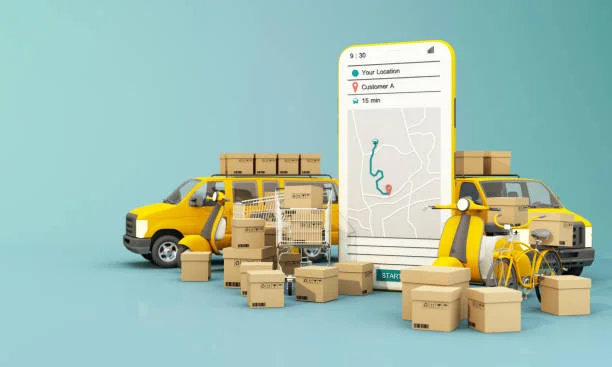
Getting products from a warehouse to a customer’s doorstep sounds simple enough, but that final leg of delivery often proves to be the most complex and expensive part of the entire logistics chain. Last-mile delivery or Last-Mile Delivery Challenges represents the crucial moment when all previous efforts either pay off with a satisfied customer or fall apart with a missed delivery window.
For businesses operating in competitive markets, mastering this final step can make or break customer loyalty. The good news is that understanding common obstacles and implementing practical solutions can transform last-mile operations from a constant headache into a reliable competitive advantage.
Why Last-Mile Delivery Matters More Than Ever
Customer expectations have shifted dramatically in recent years. Same-day delivery has gone from a luxury to a standard expectation for many shoppers. When a package arrives late or gets damaged, customers often blame the retailer, not the delivery service. This puts enormous pressure on businesses to control every aspect of the delivery process.
The costs associated with this final delivery stage typically account for a significant portion of total shipping expenses. Distance, traffic conditions, failed delivery attempts, and fuel prices all contribute to making last-mile logistics both expensive and unpredictable.
Common Last-Mile Delivery Challenges
Understanding what goes wrong is the first step toward fixing it. These obstacles appear across industries and delivery types, though their severity varies by location and business model.
Traffic Congestion and Urban Density
City traffic creates major headaches for delivery operations. Drivers spend substantial time stuck in congestion, reducing the number of deliveries they can complete per shift. Finding parking near delivery locations eats up additional time, particularly in dense urban areas where stopping even briefly can be difficult.
Peak-hour traffic compounds these problems. Deliveries scheduled during morning or evening rush hours face delays that cascade through the entire route, affecting every subsequent stop.
Failed Delivery Attempts
Few things waste more time and money than arriving at a delivery location only to find nobody home. Each failed attempt requires rescheduling and another trip to the same address. This doubles or triples the cost of delivery while frustrating both the business and the customer.
Apartment buildings present additional complications. Security systems, locked lobbies, and unclear unit numbers can leave drivers stuck outside even when customers are home. Communication gaps between drivers and recipients often lead to missed connections.
Route Optimization Difficulties
Planning efficient delivery routes gets complicated quickly. Variables like traffic patterns, delivery time windows, vehicle capacity, and driver availability create a complex puzzle. Manual route planning rarely produces optimal results, leading to wasted fuel and time.
Real-time changes add another layer of complexity. When urgent deliveries get added to existing routes or traffic accidents force detours, drivers need to adapt quickly without compromising service quality.
Customer Communication Gaps
Customers want visibility into their deliveries. Not knowing when to expect a package creates anxiety and leads to missed deliveries. Vague delivery windows like “between 9 AM and 6 PM” force people to waste entire days waiting at home.
When problems occur, poor communication makes situations worse. Customers left in the dark about delays or issues quickly lose patience and trust.
Practical Solutions for Last-Mile Delivery Challenges
Addressing the challenges of last-mile delivery requires a mix of technology, process improvements, and strategic thinking. The following approaches have proven effective across various business types and delivery scenarios.
Implement Smart Route Planning Technology
Modern routing software considers multiple variables simultaneously to create optimized delivery sequences. These systems factor in real-time traffic data, delivery priorities, vehicle capacity, and driver locations to minimize travel time and fuel consumption.
Dynamic rerouting capabilities allow adjustments on the fly when conditions change. If a road closes or a new urgent delivery gets added, the system recalculates the most efficient path without requiring manual intervention.
Businesses that invest in quality routing technology typically see immediate improvements in delivery capacity and cost reduction. Drivers complete more stops per shift while spending less time on the road.
Leverage Flexible Delivery Options
Giving customers control over delivery timing reduces failed attempts and improves satisfaction. Options worth considering include:
- Specific time slot selection during checkout
- Evening and weekend delivery availability
- Contactless drop-off permissions
- Secure locker or pickup point alternatives
- Real-time delivery tracking with GPS visibility
These flexible approaches accommodate diverse customer schedules and preferences. Someone working full-time might prefer evening delivery, while another customer might choose a nearby pickup location for added security.
Optimize Fleet Management
The right vehicle for each delivery makes a significant difference. Matching vehicle size to typical load requirements prevents wasting resources on oversized trucks for small packages. For businesses handling varied delivery types, maintaining a mixed fleet provides flexibility.
Online truck booking platforms have simplified the process of accessing vehicles as needed without maintaining a large permanent fleet. This approach reduces fixed costs while maintaining delivery capacity during peak periods.
Regular vehicle maintenance prevents breakdowns that disrupt delivery schedules. Predictive maintenance schedules based on usage patterns help identify potential issues before they cause problems.
Establish Clear Communication Channels
Keeping customers informed throughout the delivery process reduces anxiety and missed deliveries. Automated notifications at key stages work well:
- Order confirmation with estimated delivery date
- Dispatch notification when the package leaves the facility
- On-the-way alert when the driver starts the route
- Arriving soon, message 30 minutes before arrival
- Delivery confirmation with photo proof
Two-way communication options let customers provide special instructions or request changes. A simple text message system allowing customers to inform drivers about gate codes or preferred drop-off locations prevents many common problems.
Address Urban Delivery Constraints
The challenges of last-mile delivery intensify in crowded city centers. Several strategies help businesses cope with urban complications:
Micro-fulfillment centers positioned within cities reduce delivery distances and enable faster service. Smaller local hubs allow for multiple delivery runs per day rather than single trips from distant warehouses.
Alternative delivery vehicles suited to urban environments make navigation easier. Cargo bikes, electric scooters, and compact vans maneuver through traffic and find parking more easily than large trucks.
Off-peak delivery scheduling helps avoid the worst traffic. Early morning or late evening deliveries encounter less congestion, allowing drivers to complete routes faster.
Improve Address Accuracy and Validation
Wrong or incomplete addresses cause numerous failed deliveries. Address validation at checkout catches errors before orders ship. Automated systems flag suspicious addresses or incomplete information, prompting customers to verify details.
Geocoding technology converts addresses into precise coordinates, helping drivers locate destinations accurately. This proves particularly valuable in areas with confusing street layouts or new developments not yet updated in standard mapping systems.
Clear delivery instructions from customers help drivers navigate tricky locations. Providing a text field for notes about parking, building access, or specific landmarks improves first-attempt success rates.
Utilize Local Delivery Partners
Building relationships with local delivery services provides flexibility and local expertise. Regional carriers often understand their territories better than national companies, knowing shortcuts and navigating local peculiarities more effectively.
Crowdsourced delivery platforms offer scalable capacity during peak periods. While maintaining quality control requires careful management, these services help handle volume spikes without investing in permanent infrastructure.
Hybrid approaches combining in-house delivery with partner networks provide both control and flexibility. Core delivery areas might receive service from company drivers while outlying regions get handled by partners.
Monitor Performance and Adapt
Tracking key metrics reveals patterns and opportunities for improvement. Important indicators to monitor include:
- On-time delivery percentage
- First-attempt success rate
- Average delivery cost per package
- Customer satisfaction scores
- Driver efficiency metrics
Regular analysis of these numbers helps identify problem areas needing attention. A particular neighborhood with high failure rates might need different delivery approaches. Routes consistently running over time might require adjustment.
Customer feedback provides invaluable insights that numbers alone miss. Regular surveys and review monitoring highlight pain points customers experience, guiding improvement priorities.
Technology Integration for Streamlined Operations
Modern technology plays a central role in addressing last-mile delivery challenges. Cloud-based platforms centralize information, giving all stakeholders visibility into order status and delivery progress. Drivers access route information and customer details through mobile apps, while customers track packages through web portals or their own apps.
Automation reduces manual work and errors. Orders flow automatically from e-commerce platforms to warehouse management systems to delivery routing software. This eliminates data entry mistakes and speeds processing.
Online truck booking integration streamlines fleet expansion during busy periods. Rather than scrambling to find additional vehicles through phone calls, businesses access available capacity through digital platforms, comparing options and booking instantly.
Building Operational Resilience
Backup plans prevent minor issues from becoming major crises. Having contingency arrangements for vehicle breakdowns, driver absences, or unexpected volume surges keeps operations running smoothly.
Cross-training staff creates flexibility. When drivers understand warehouse operations and warehouse staff can handle basic routing tasks, the team adapts more easily to changing circumstances.
Strong vendor relationships provide options when internal resources get stretched. Knowing which partners to call for emergency support saves precious time during critical situations.
Turning Delivery Obstacles Into Competitive Advantages
Last-mile delivery challenges will continue testing businesses as customer expectations rise and operational costs increase. However, companies that approach these obstacles systematically with the right combination of technology, processes, and partnerships can turn last-mile delivery from a weakness into a strength.
Success requires ongoing attention and willingness to adapt. What works today might need adjustment tomorrow as markets change and new solutions emerge. Businesses that stay flexible and customer-focused while managing costs effectively will find that last-mile delivery challenges become manageable rather than insurmountable.
You might enjoy this next—see how it connects to what you just read at 2A Magazine.