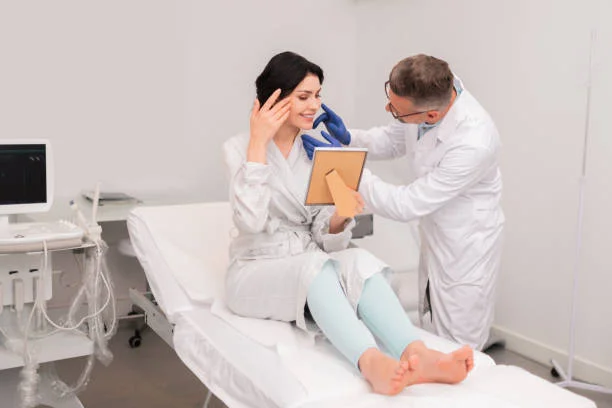
While elective cosmetic surgery is often associated with improved appearance and self-esteem, many overlook the critical recovery phase that follows. The American Society of Plastic Surgeons reported over 15 million cosmetic procedures in 2020, marking the rise in their popularity. Each patient’s journey to recovery hinges on the effectiveness of their rehabilitation program, which can vastly influence the outcome of their surgery.
Recognizing the significance of this recovery phase, it’s vital for patients to not only prepare for the procedure itself but also the post-operative care required. Proper rehabilitation ensures not just a swift return to daily activities but also the longevity of surgical results. In this article, we delve into the key aspects of post-cosmetic-surgery rehabilitation.
Understanding Post-Cosmetic Surgery Rehabilitation
Post-cosmetic surgery rehabilitation is a structured process designed to help patients heal and recover optimally. Studies indicate that patients who adhere to a rehabilitation program experience fewer complications and a quicker return to normalcy. This phase can vary in duration and intensity depending on the type of procedure performed.
Physicians and physical therapists often design rehabilitation plans that minimize scarring, reduce swelling, and improve the surgical site’s range of motion. For instance, specific massages and exercises are prescribed to patients to enhance lymphatic drainage and tissue flexibility after procedures like liposuction or post-op plastic surgery.
For optimal recovery, it is advised to initiate rehabilitation soon after the procedure. Early intervention can prevent the development of fibrosis or contractures that might compromise the aesthetic outcome.
Key Elements of a Successful Cosmetic Surgery Recovery Plan
A flourishing cosmetic surgery recovery plan encompasses several key elements: pain management, physical therapy, and personalized care. Integrating these facets adeptly can significantly hasten patient recovery. Proper management of post-surgical pain, for example, is not only about comfort but also about enabling patients to participate more effectively in their rehabilitation exercises.
Physical therapy is another cornerstone of recovery, with customized exercise regimens designed to restore function without compromising the surgical results. Therapists typically introduce exercises gradually, ensuring that the patient’s body adapts without undue strain or stress. These exercises are often vital in preventing post-surgical complications, such as venous thromboembolism.
Individual care is the final critical element, involving monitoring the patient’s progress and adjusting the plan as needed. This personalized approach allows for adjustments based on individual healing rates and outcomes, thereby maximizing the surgery’s success. Patients are encouraged to maintain close communication with their healthcare team to address any issues or concerns promptly.
Addressing Common Concerns During Post-Surgical Rehabilitation
Common concerns during rehabilitation include pain, swelling, and the risk of scarring. Effective rehabilitation strategies directly address these issues, ensuring a smoother recovery trajectory. For example, cold compresses and elevation may be advised to mitigate swelling and bruising in the initial post-operative days.
Another key concern is the management of scar tissue. Therapists might employ techniques such as silicone sheeting or gel, which have been evidenced to reduce the appearance of scars. Additionally, manual therapies such as massage can help break down scar tissue and promote more subtle scarring.
Pain management is commonly achieved through medications, but non-pharmaceutical methods like controlled movements and therapeutic exercises also play a significant role. It is essential for patients to follow their prescribed plan and communicate with their healthcare provider about the effectiveness of pain relief measures. Ongoing assessment and management of pain within rehabilitation are fundamental to a successful recovery.
Enhancing Long-Term Results Through Structured Rehab Programs
The longevity of cosmetic surgery results is greatly enhanced when patients commit to structured rehab programs. These programs are designed not only to aid the immediate recovery process but also to support long-term health and the maintenance of the surgical area. Consistency in following the rehab program is often correlated with sustained improvements and patient satisfaction.
Moreover, a significant part of maintaining surgical outcomes involves educating patients about lifestyle choices that can affect their outcomes. Programs that include nutritional guidance, weight management strategies, and skin care routines can empower patients to contribute to their lasting results. This education is as important as the physical therapy exercises and treatments.
Incorporating elements such as regular check-ups and post-rehab maintenance into a rehabilitation plan can help identify and address any long-term complications early. This proactive approach to patient care ensures that the benefits of cosmetic surgery extend well beyond the initial healing period.
The success of any cosmetic surgery is significantly dependent on the quality of post-operative rehabilitation. A comprehensive rehab plan that covers pain management, physical therapy, and personal care can make a profound difference in recovery outcomes. As patients and healthcare providers work together to navigate the post-surgical period, the aim should always be to optimize health and preserve the desired aesthetic results.
Our top pick right now—see what makes this post special at 2A Magazine.