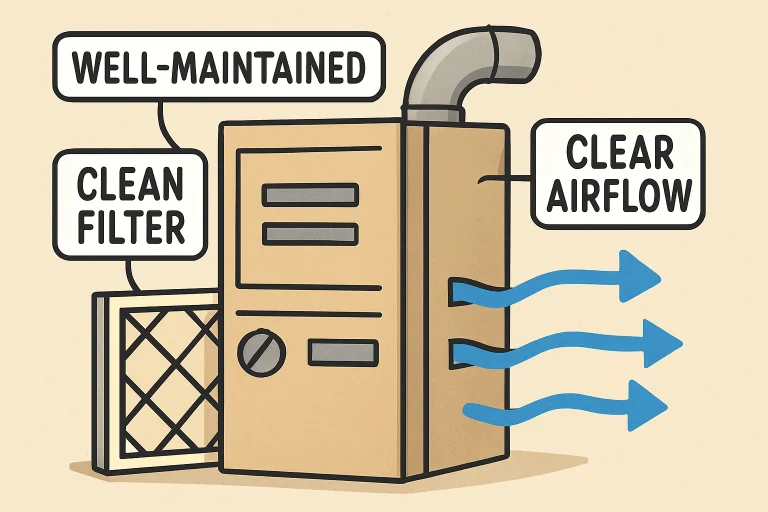
Heating your home efficiently is about more than just staying comfortable. It can make a significant difference in both monthly utility bills and long-term repair costs. By committing to regular maintenance, homeowners can be proactive about keeping their systems running at optimal levels and avoid unpleasant surprises during cold snaps. Whether you rely on a furnace, heat pump, or another type of system, scheduling consistent check-ups offers real financial and practical benefits. When considering efficient, reliable heating repair in Phoenix, AZ, regular maintenance plays a critical role in system performance and longevity.
Even something as simple as changing the air filter or making sure vents are clean can have an impact. Routine attention from professionals helps spot small issues before they grow, and consistent upkeep ultimately means fewer emergencies, less stress, and more predictable home comfort. Let’s look in detail at how ongoing maintenance saves homeowners money, supports energy efficiency, and delivers year-round peace of mind.
Boosting Energy Efficiency
The efficiency of a heating system directly impacts monthly energy usage. When dust, debris, or worn-out parts force the system to work harder, it consumes unnecessary energy, driving up utility bills. Regular maintenance, such as cleaning burners, lubricating moving parts, and inspecting heat exchangers, helps the system run smoothly and efficiently. The U.S. Department of Energy estimates that proper maintenance can cut heating costs by as much as 30 percent annually, representing hundreds of dollars in savings for many families.
Small steps, like ensuring ducts are sealed and changing filters consistently, make a noticeable difference in how much energy is required to maintain a comfortable temperature throughout the home. A system that can “breathe” properly also reduces wear and tear, allowing it to deliver reliable performance with less wasted energy.
Preventing Costly Repairs
No one wants to deal with an unexpected heating system failure in the middle of winter. Routine inspections allow HVAC professionals to detect and address issues such as worn belts, loose connections, or burner buildup long before they become expensive emergencies. Proactive maintenance catches minor problems early, allowing them to be resolved quickly and inexpensively.
Well-maintained heating systems have a dramatically lower risk of sudden breakdowns. Up to 95 percent of heating failures might be prevented by scheduled maintenance, eliminating the disruption, discomfort, and high costs associated with urgent, after-hours repairs.
Extending Equipment Lifespan
Investment in a new heater or furnace is significant, so most homeowners want their equipment to last as long as possible. When systems are serviced regularly, components are less likely to experience premature wear or accumulate damaging buildup. Tasks like cleaning ignition assemblies, checking electrical connections, and tuning up moving parts ensure that every component operates as designed.
Heating systems that receive regular preventive care often reach or exceed their expected operational lifespans. For instance, a central furnace that is professionally serviced on schedule can operate efficiently for 15 to 20 years, while neglected units may fail a decade sooner and require an expensive early replacement.
Enhancing Home Comfort
Regular heating maintenance affects not only the system’s durability and energy use but also the overall comfort in your home. Routine inspections and tune-ups ensure that warm air is distributed evenly, eliminating frustrating cold spots or inconsistent temperatures among rooms. A neglected system can struggle to keep up with changing weather, but a cared-for system maintains stable, cozy temperatures day and night.
When airflow is unobstructed and the heating components are clean, the system operates more quietly and efficiently. This means less noise disruption, reduced airborne dust, and healthier indoor air quality, all of which contribute to a better living environment.
Practical Maintenance Tips
- Change Air Filters Regularly: Replace air filters every 1 to 3 months to maintain strong airflow and optimal energy efficiency.
- Schedule Annual Inspections: Arrange for a qualified technician to examine your system each year so emerging issues can be addressed before they escalate.
- Seal Air Leaks: Check and seal gaps around windows and doors with caulk or weatherstripping to prevent heated air from escaping and wasting energy.
- Upgrade to a Smart Thermostat: Use programmable thermostats to fine-tune heating schedules. A smart thermostat helps reduce energy waste by adapting to your family’s daily routines.
Conclusion
Regular heating system upkeep is one of the most effective ways to save money and conserve energy at home. By focusing on efficiency, preventing unexpected repairs, and maximizing system lifespan, homeowners can enjoy reliable warmth and lower costs season after season. Building a maintenance habit and working with trusted professionals helps keep your home comfortable and your budget in check, year-round.
Top picks just for you—check out our featured post today at 2A Magazine.