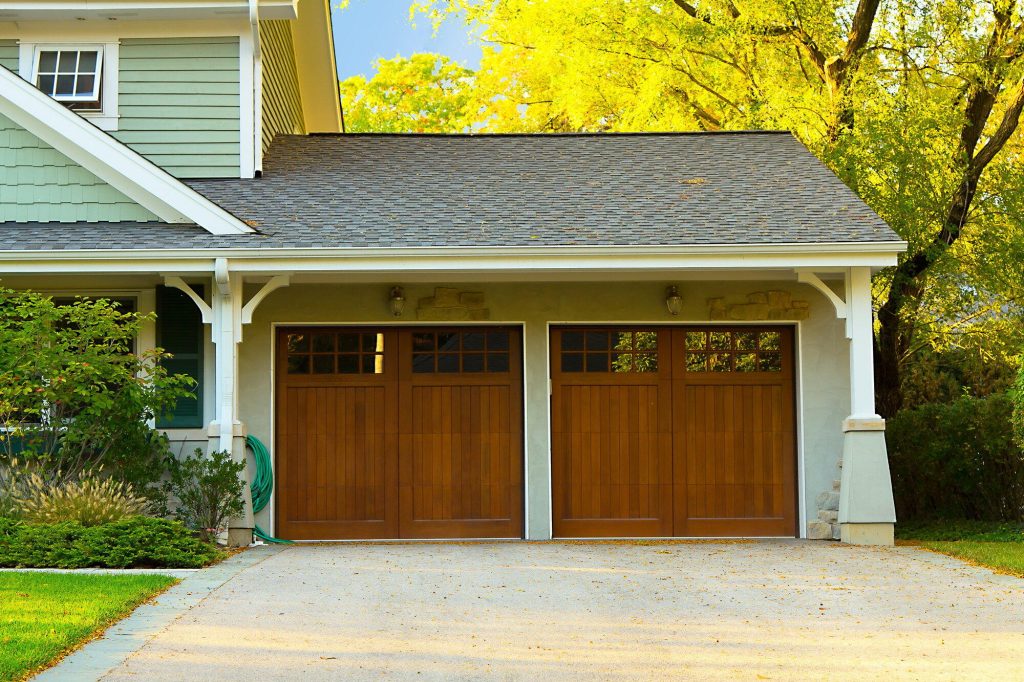
Planning a garage may seem simple at first but becomes complex upon closer inspection. It starts with a need for space, protection, or order. Then it grows into a decision that touches design, budget, comfort, and long term value. A garage can quietly improve daily life or slowly become a regret if rushed.
If you are standing at the edge of this decision, this guide is for you. Take a few minutes to read through what really matters before construction project begins. The choices you make now will shape how useful the space feels for years to come.
Understanding the Purpose of Your Garage
Before any plans are drawn, it helps to be clear about why you want a garage. Some people want simple shelter for a vehicle. Others need room for tools, storage, or hobbies. A few see it as a future workspace or an extension of the home.
Purpose guides every decision that follows. Size, layout, and features should all support how the space will be used most often. When purpose is unclear, the garage often ends up feeling cramped or wasted.
Choosing a Location That Works With Your Property
Where the garage sits on your property matters more than it seems. Placement affects driveway flow, access, drainage, and even how your home looks from the street. A poorly placed garage can block light or create awkward movement.
Consider how you arrive and leave each day. Think about how rainwater moves across your land. Soil condition and slope also affect foundation strength and long term stability. A good location supports both convenience and durability.
Designing for Daily Movement and Ease
Design is not only about appearance. It is about how the space feels when you use it. Door width affects how easy parking becomes. Ceiling height influences storage and future upgrades. Window placement changes light and airflow.
Inside the garage, space should feel open enough to move safely. Tight layouts increase stress and accidents. A thoughtful design creates a sense of ease, even during busy moments.
Materials That Balance Strength and Longevity
Material choices shape how the garage ages. A strong foundation supports everything above it. Cutting corners here often leads to cracks, shifting, and costly fixes later.
Walls and roofing should suit the local climate. Heat, moisture, and wind all test materials over time. When strength and weather resistance are balanced with cost, the structure holds value instead of becoming a burden.
Electrical Planning That Avoids Future Frustration
Many people forget about power needs until construction is almost finished. Lighting should be bright and evenly placed. Shadows make tasks harder and reduce safety.
Outlets should match how the garage will be used. Think about chargers, tools, and equipment. Planning electrical needs early prevents extension cords and constant adjustments later.
Ventilation and Comfort Inside the Space
A garage without airflow can feel heavy and unpleasant. Ventilation helps manage heat, fumes, and moisture. This is especially important if the space is used for work or storage.
Comfort does not mean luxury. Simple features like vents or fans make the garage more usable throughout the year. These small details often make the biggest difference.
Storage Planning That Keeps Order
Without storage planning, garages fill up fast. Items pile up and usable space shrinks. Built in shelving or wall storage keeps the floor clear and movement easy.
When storage is planned from the start, the garage stays organized longer. You spend less time searching and more time using the space as intended.
Working With the Right Construction Support
A garage may look simple, but construction still requires skill and coordination. Clear communication helps avoid mistakes that cost time and money. Reliable garage builders understand how structure, code, and function come together in real conditions.
Choosing experienced support helps ensure the garage is built correctly the first time. This protects both safety and long term value.
Permits and Rules That Protect Your Investment
Permits may feel like a delay, but they exist to protect homeowners. Local rules guide size, placement, and use. Ignoring them can lead to fines or forced changes later.
Understanding requirements before building begins keeps the project smooth. It also ensures the garage remains a legal and valuable part of the property.
Budget Planning With Room to Breathe
A strong budget balances realism and flexibility. Unexpected issues often appear during construction. Having room to adjust reduces stress and rushed decisions.
Focus spending on structure and foundation first. Finishes can often be upgraded later. This approach keeps quality high without exhausting resources.
Thinking Beyond Today’s Needs
A well planned garage looks ahead. Life changes. Storage needs grow. Hobbies evolve. Planning for flexibility now avoids major changes later.
Extra space, higher ceilings, or adaptable layouts allow the garage to evolve without major rebuilds. This foresight adds quiet value over time.
Drainage and Flooring Choices That Prevent Long Term Issues
Water control is a detail that often gets missed during planning. Poor drainage leads to standing water, moisture buildup, and slow damage that shows up long after construction ends. A properly sloped floor helps guide water away instead of letting it settle in corners.
Floor finishes also play a role. Sealed concrete is easier to clean and resists stains better than bare surfaces. These choices protect the structure while keeping the garage safer and easier to maintain over time.
Insulation Decisions That Improve Year Round Use
Without insulation, a garage can feel uncomfortable during hot days and cooler nights. Insulated walls help regulate temperature and reduce extreme swings that affect both people and stored items.
Insulation also helps reduce noise traveling into the home. This makes the space more pleasant to use, especially when tools or equipment are involved. With the right insulation, the garage becomes usable in more seasons without added stress.
Construction Project: When a Garage Becomes a Long Term Win
The best garage is one that simply works. It protects what matters, supports daily routines, and stays dependable through seasons and change.
Planning a garage construction project takes patience, but the reward is lasting comfort and value. When decisions are made with care, the garage becomes more than a structure. It becomes a steady part of your home that supports life without asking for attention.
For more on this content, visit the rest of our blog!